
Overview
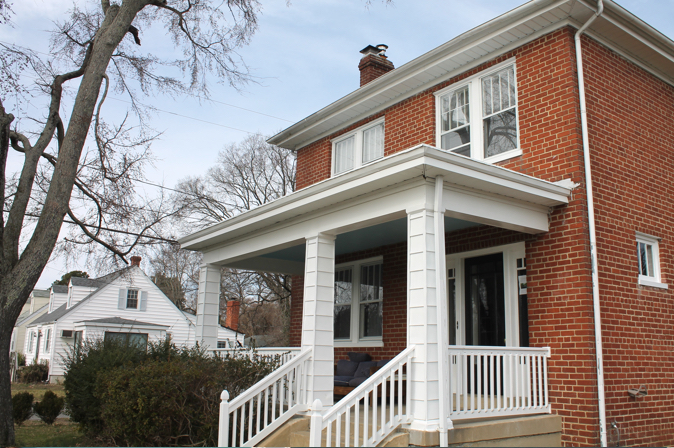
The McShin Foundation is Virginia's leading non-profit, peer-to-peer Recovery Community Organization (RCO), offering a proven path to recovery built on authenticity and community. Situated in Richmond, the program provides a non-clinical, community-focused environment centered around home-like recovery residences. With over 150 beds across multiple houses (each with around 9 beds), the setting is intimate and encourages peer accountability. While daily programming is co-ed, all housing is gender-specific to ensure a safe atmosphere. Guided by certified peer specialists with lived experience, McShin empowers individuals to build a sustainable, substance-free life. Visit their website here.
Facility
Video
Photos

Amenities & Details
Your First Step is a Conversation
Reaching out can feel overwhelming, but you're not alone. The admissions team is here to listen without judgment and help you understand your options.
- Your call is 100% confidential. Speak with The McShin Foundation's admissions.
- There's no commitment to enroll. They're here to answer questions.
- Talk next steps clearly. Discuss costs and what treatment looks like.
Treatment
Levels of Care
Residential Program
Immersive, 24/7 structured care.
Recovery Residences
Long-term sober living support.
Detox Coordination
Not offered but can be coordinated.
Specialized Tracks
Pregnant women & incarceration rentry.
Approaches
Policies
Open Campus
A voluntary program, not a locked facility.
MAT Friendly
Medication-Assisted Treatment is permitted.
Smoking/Vaping Allowed
Permitted in designated outdoor areas.
Electronics Policy
No personal phones/laptops in 28-day program.
Family Visits
Encouraged on weekends at the community center.
Mandatory Participation
Attendance at all programming is required.
Cost
Payment Structure
The McShin Foundation is a non-profit that does not accept insurance. They offer affordable self-pay rates and need-based financial aid. Please call to discuss your situation.
Discuss Financial AidSelf-Pay
Please call to confirm exact pricing. Estimates are:
- 28-Day Residential Program: $11,000
- Sober Living / Recovery Residences: $145 / week
Reviews

Based on 251 Google reviews
What Clients Appreciate
-
Peer-Driven Model: Countless reviewers credit the peer model and community for saving their lives.
-
Compassionate Staff: Staff are praised for being genuine and dedicated due to their own lived experience.
-
Strong Community: Many highlight the sense of family and accountability as key to their success.
"McShin saved my life. Point blank. I entered broken and hopeless. McShin gave me a safe place, with structure to begin my journey in recovery. The community of people that are a part of McShin became my family."
"The McShin Foundation is the real deal. They are peer run, by people who have traveled the same path. They gave me the tools that I needed to be a productive member of society, a good father, and a good man."
View additional context from reviews
While reviews are overwhelmingly positive, a small number of critics mention that the peer-driven model was not a good fit for their needs, expressing a desire for more clinical or professional therapeutic support. Others note issues with specific house rules or interpersonal conflicts within the community.
Tip: The program is best suited for individuals ready to embrace a peer-led, 12-step based community model of recovery.
Location
Address
The McShin Foundation2300 Dumbarton Rd
Richmond, VA 23228, USA
Hours
Admissions: Mon-Fri, 9am - 5pm
Residential programs operate 24/7.
Frequently Asked Questions
Program & Treatment
Is this a closed/locked facility?
No, it is a voluntary, open-campus program. During the residential phase, movement is highly structured with supervised outings, but it is not a locked facility. Participants in sober living have more freedom as long as they adhere to house rules.
Does this program use the 12-steps, or not use the 12-steps?
Yes, the program is heavily based on the 12-Steps. Participants are required to attend 12-Step meetings daily as part of the recovery model.
Is the program faith-based?
No, it is not a faith-based program. While some meetings or houses may be located in or near churches as community partners, the recovery model itself is based on the 12-Steps and peer support, not religious doctrine.
What types of therapies do you use in your addiction treatment programs?
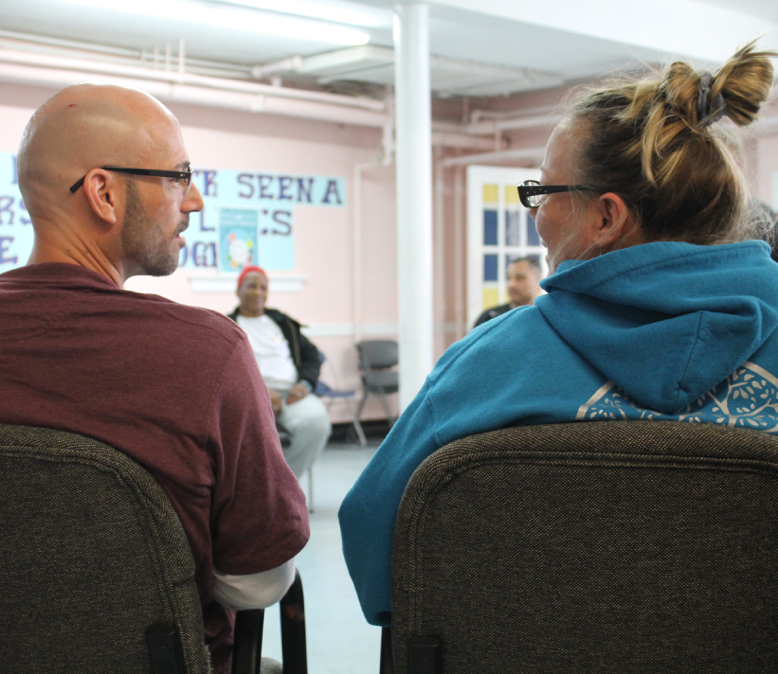
The primary therapeutic approach is peer-to-peer support, complemented by small and large group sessions, 12-Step meetings, and holistic supports like meditation and yoga.
How do you treat dual diagnosis?
The McShin Foundation focuses on substance use disorder recovery through a peer-based model and does not offer integrated clinical treatment for co-occurring mental health disorders.
What is the difference between inpatient and outpatient addiction treatment?
Inpatient addiction treatment provides 24/7 structured care in a residential setting, allowing individuals to fully focus on recovery. Outpatient treatment allows individuals to live at home while attending therapy. The McShin Foundation offers a residential program and sober living, but not a standalone outpatient program.
What substance use disorder treatment programs do you offer?
They offer a 28-day peer-driven residential program and a long-term network of recovery residences (sober living), all built on a foundation of community-based peer support.
Do you treat co-occurring mental disorders?
No, their model is focused on peer support for substance use disorder and does not provide clinical mental health treatment.
Why choose us? What makes it different than other addiction treatment centers?
McShin stands out due to its strong emphasis on peer-to-peer support, affordable self-pay model with financial aid, and staff composed of individuals with lived recovery experience. As a Recovery Community Organization (RCO), it offers specialized tracks and lifelong community support.
Cost & Admission
What will my costs be for treatment?
Cost estimates are $11,000 for the 28-day residential program and $145 per week for sober living. These are subject to change, and financial aid may be available.
Do you accept insurance for substance use disorder treatment?
No, The McShin Foundation does not accept private insurance. Their services are funded through self-pay and grants, and they offer need-based financial assistance on a case-by-case basis.
Do you provide detoxification services?
Detox is not provided on-site. However, McShin partners with local physicians and medical facilities to ensure participants can complete a safe, medically supervised detox before starting the residential program.
Is Suboxone (MAT) permitted?
Yes, Medication-Assisted Treatment (MAT), including Suboxone, is permitted. McShin supports participants in following their prescribed medication plans.
Daily Life & Rules
How long will I be there?
The residential program has a fixed length of 28 days. The stay in the recovery residences (sober living) is flexible and based on individual progress and needs, often lasting for many months.
What is the living situation like? Can I get my own room?
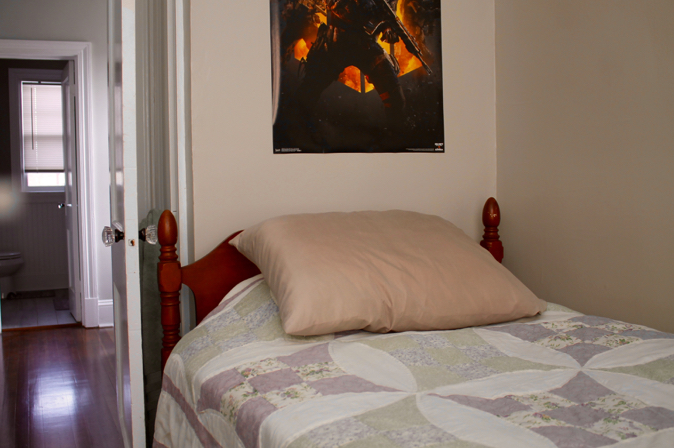
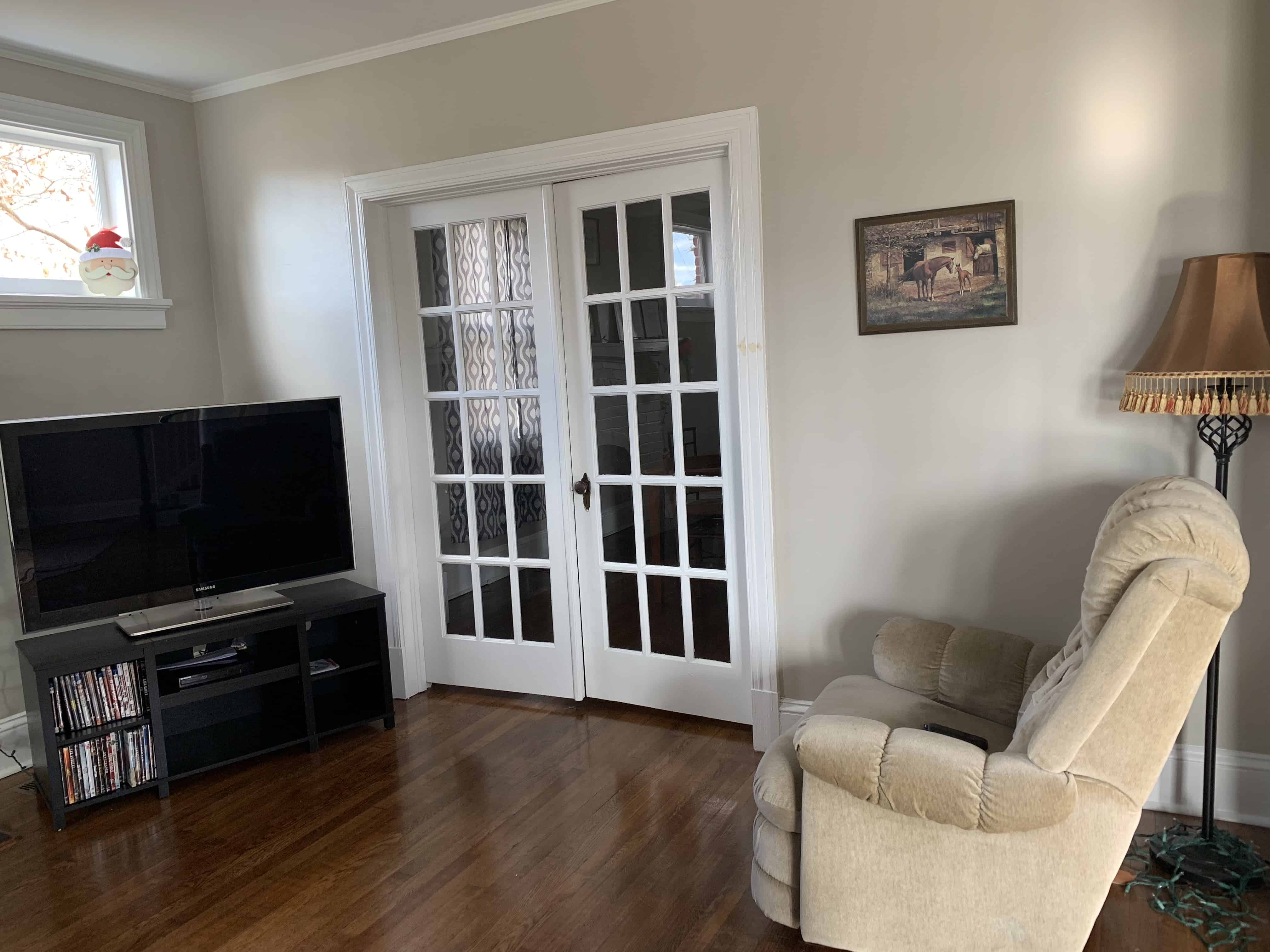
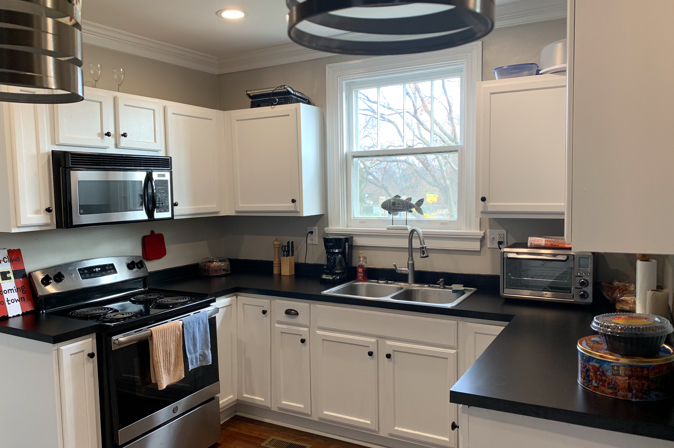
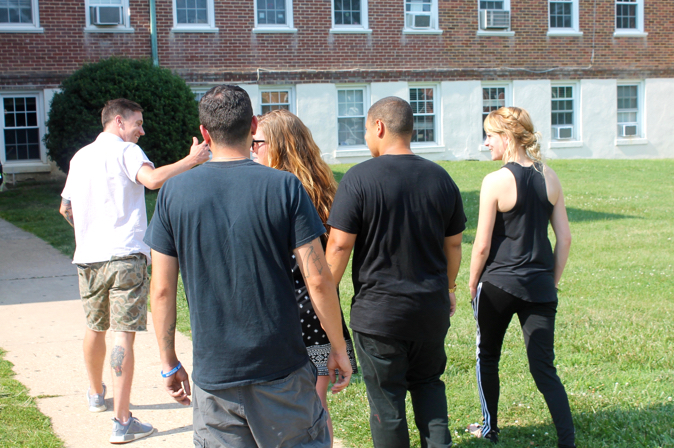
The living situation is in comfortable, home-like houses within a neighborhood. All rooms are shared with roommates to foster peer support and accountability; private rooms are not available.
Can I use my phone or laptop? Is there WiFi?
No. Personal cell phones and laptops are not permitted during the 28-day residential program to help participants focus completely on their recovery. House phones are available for use, and staff can approve supervised access to a personal phone for emergencies.
Is smoking/vaping allowed?
Yes, smoking and vaping are allowed in designated outdoor areas at both the recovery residences and the community center.
What should I bring with me?
Bring essentials for daily living, such as comfortable clothing, personal toiletries, and any necessary identification. Pack for about a week. Do not bring electronics, valuables, or non-essential items.
What should I leave at home?
Leave all valuables, personal electronics like cell phones and laptops, weapons, and any items that could be disruptive to the recovery environment. Excessive amounts of tobacco or vaping products should also be left behind.
What is the layout of the campus?
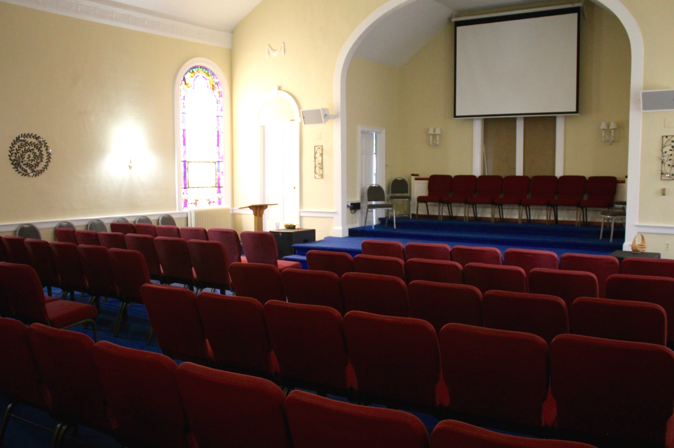
The campus consists of multiple home-like houses for residential living and a large, central recovery community center that serves as the hub for group sessions, meetings, and community events.
What is the length of a residential stay for substance use disorders?
The core residential program is 28 days long.
How long has this facility been open?
The McShin Foundation was founded and has been offering recovery services since 2004.
Support, Staff & Community
Who provides care here? Who works there?
Care is primarily provided by certified peer recovery coaches and specialists—individuals with lived experience in addiction and recovery. While McShin partners with external doctors for detox and medical evaluations, the day-to-day support team consists of peers.
Who else will be in treatment with me at your facility? What is their occupancy?
You will be in treatment with other adults (18+) from various backgrounds who are also seeking recovery. The program is co-ed, though housing is gender-specific. McShin operates over 150 beds, with each house holding about 9 participants, creating an environment built on peer-to-peer community support.
Are family visits allowed?
Yes, family visits are permitted on weekends at the main recovery community center. This provides a structured and supportive setting for participants to reconnect with their loved ones.
What family involvement is included in the treatment process?
Family involvement is primarily through weekend visitations and participation in community events. The program does not include formal family therapy sessions, focusing instead on the individual's peer-based recovery.
What kind of aftercare and follow-up support is available once treatment ends?
McShin offers extensive aftercare through its large network of recovery residences (sober living), ongoing peer coaching, and access to a vibrant recovery community center with year-round events and support meetings.
Are there psychiatrists and psychologists on staff?
No, there are no psychiatrists or psychologists on staff. The model is based on peer support, not clinical therapy.
Is there any follow-up after discharge?
Yes, graduates of the residential program are strongly encouraged to transition to McShin's recovery residences and remain active in the community. Follow-up is continuous through peer support and community center engagement.
Ready to Take the Next Step?
Their team is available to answer your questions confidentially.
Call NowAccreditation & Support
CAPRSS Accredited
Peer Recovery Support Services
VARR Accredited
Virginia Association of Recovery Residences