Featured Rehab Centers in Oregon

Oregon Trail Recovery
 4.6
4.6
Oregon Trail Recovery in Milwaukie, Oregon, offers a structured, 12-step based approach to addiction treatment for adults, providing medical detox, residential, and outpatient programs.
Levels of Care:

Tree House Recovery PDX
5.0
A men-only addiction treatment center in Portland, Oregon specializing in a unique, fitness-based approach to recovery, combining evidence-based therapies with intensive physical training.
Levels of Care:
Navigating Treatment Options in Oregon
Understanding the different levels of care is the first step. Oregon offers a full spectrum of programs to meet you where you are in your recovery journey.
Medical Detox
A safe, medically supervised process to manage withdrawal symptoms. This is often the necessary first phase before beginning a therapeutic program.
Inpatient / Residential
A highly structured, 24/7 live-in program providing an immersive, substance-free environment ideal for focusing completely on recovery without outside triggers.
Outpatient (PHP/IOP)
Flexible programs that allow you to live at home while attending scheduled therapy sessions, helping you integrate recovery skills into daily life.
This information is for educational purposes only and is not a substitute for medical advice or evaluation. If you are in crisis, call 988 or go to the nearest emergency room.

Crestview Recovery
4.1
Premier addiction and dual diagnosis treatment center in Portland, OR, offering residential and outpatient programs in a supportive, home-like environment for adults.
Levels of Care:

Awakenings by the Sea
4.5
Premier women-only addiction treatment center in Seaside, Oregon, offering detox and residential programs with dual-diagnosis care in an intimate, ASAM & CARF accredited seaside setting.
Levels of Care:
Our Vetting Process & Ethical Promise
Your trust is our priority. We are an independent resource committed to providing accurate and ethical information. We do not engage in patient brokering, and our listings are curated based on strict criteria to ensure quality and safety.
- Licensing & Accreditation: We verify that facilities hold current state licenses and reputable accreditations (e.g., JCAHO, CARF).
- Evidence-Based Practices: We prioritize centers that use scientifically-backed therapeutic methods.
- Ethical Marketing: We ensure facilities adhere to transparent and honest marketing practices.
This information is for general educational purposes and does not imply endorsement of any specific treatment center. If you are in crisis, call 988 or go to the nearest emergency room.
Virtue At The Pointe Recovery
4.6
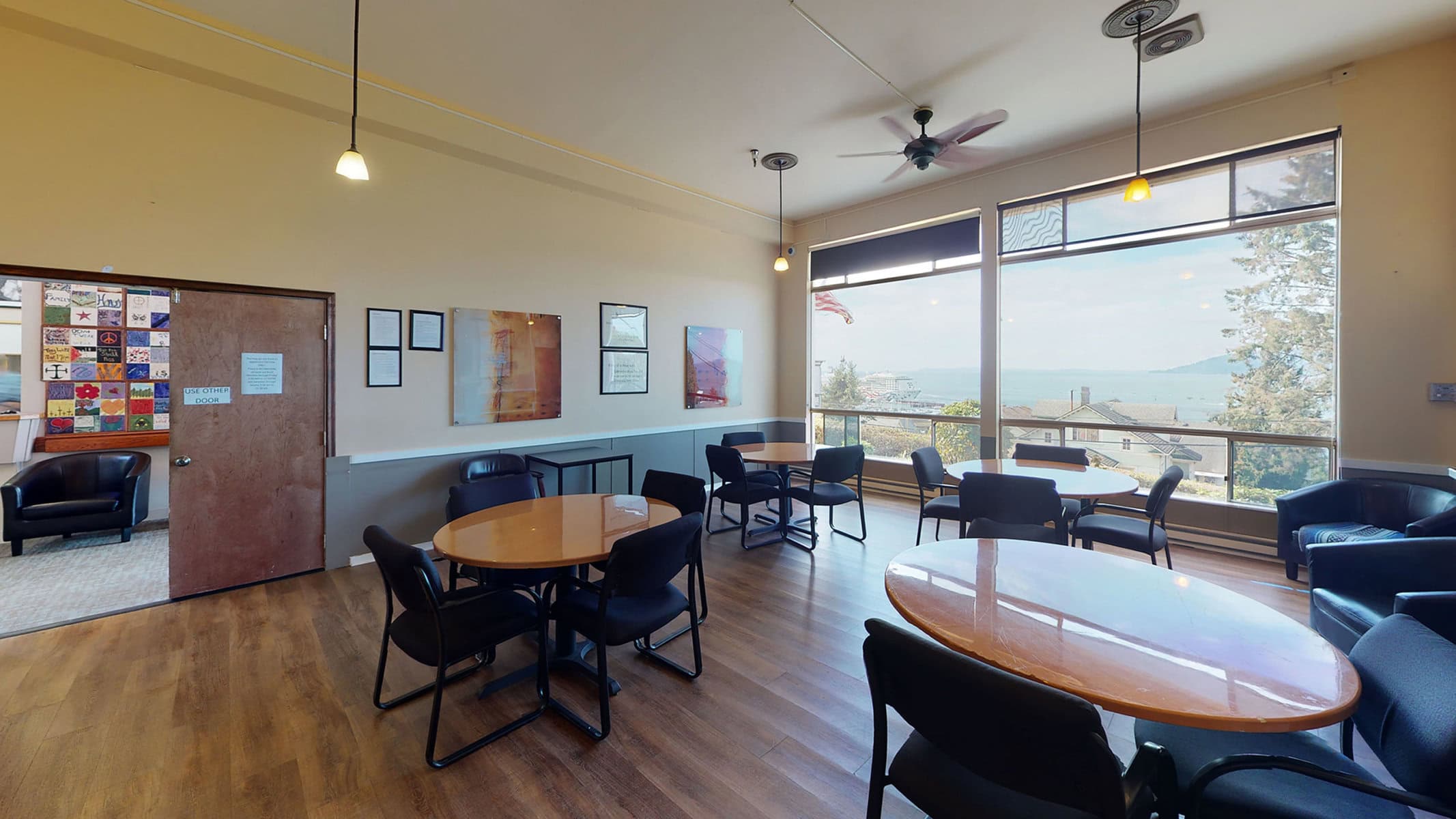
Virtue at the Pointe in Astoria, Oregon, provides comprehensive treatment for substance use and co-occurring disorders. They offer medical detox and residential programs for adults in a structured, facility-based setting. Specializing in veteran care and trauma-informed therapies, they accept Medicaid and private insurance.
Levels of Care:

Virtue at the Pointe Outpatient
4.4
Virtue at the Pointe Outpatient in Milwaukie, OR, provides flexible yet structured care for substance use and co-occurring disorders, offering PHP, IOP, and sober living with a specialization in veteran care.
Levels of Care:
Frequently Asked Questions
Most rehab facilities in Oregon accept private insurance, self-pay, and sometimes offer financing options. It's best to contact the admissions department of your chosen facility to verify your insurance benefits and discuss payment plans. State-funded options may also be available for those who qualify.
Inpatient (or residential) treatment requires you to live at the facility 24/7, providing an immersive, highly structured environment. Outpatient treatment (like PHP or IOP) allows you to live at home while attending scheduled therapy sessions, offering more flexibility to maintain work or family commitments.
Oregon is an excellent destination for addiction treatment, offering a unique blend of high-quality clinical care and serene natural environments. From the lush forests to the dramatic coastline, the state provides a peaceful and inspiring backdrop for healing and recovery.
You should typically bring about a week's worth of comfortable clothing, essential toiletries (alcohol-free), your ID and insurance card, and a list of important phone numbers. Most facilities will provide a detailed packing list. Leave valuables, electronics, and non-prescribed medications at home.
Use Our Full Directory
Browse all rehabs and filter by rating, level of care, and more →How to Choose a Rehab Center in Oregon
When comparing alcohol and drug rehab centers in Oregon, consider clinical quality, level of care, location, and practical factors like insurance coverage or out-of-pocket cost. Many facilities in Portland and Milwaukie offer a full continuum of care, while rehabs in Seaside and Astoria often emphasize smaller, retreat-style settings. Use this checklist when comparing rehab centers in Oregon so you can match the level of care to your needs.
- Level of care: Does the program offer medical detox, residential treatment, and/or outpatient care?
- Co-occurring care: Can they treat co-existing mental health conditions like depression, PTSD, or anxiety?
- Insurance & payment: Are they in-network with your health plan or willing to verify benefits up front?
- Specialty programs: Look for tracks for teens, veterans, professionals, or gender-specific care if relevant.
This guidance is informational only and does not constitute medical advice or endorsement of any specific facility. If you are experiencing a crisis, call 988 or go to the nearest emergency room.
Addiction in Oregon: By the Numbers
Understanding the scope of substance use in Oregon highlights the critical need for accessible, high-quality treatment.
Over 1,100
Opioid Overdose Deaths
Recorded in a recent 12-month period. (Source: CDC)
17.8%
Adults Binge Drinking
Nearly 1 in 6 adults in Oregon report excessive binge drinking. (Source: County Health Rankings)
Top 5 State
For Methamphetamine Use
Oregon ranks among the highest for meth seizures and treatment admissions. (Source: OHA)
Statistics are for general informational use only. They may change as new public health data becomes available.