
Overview
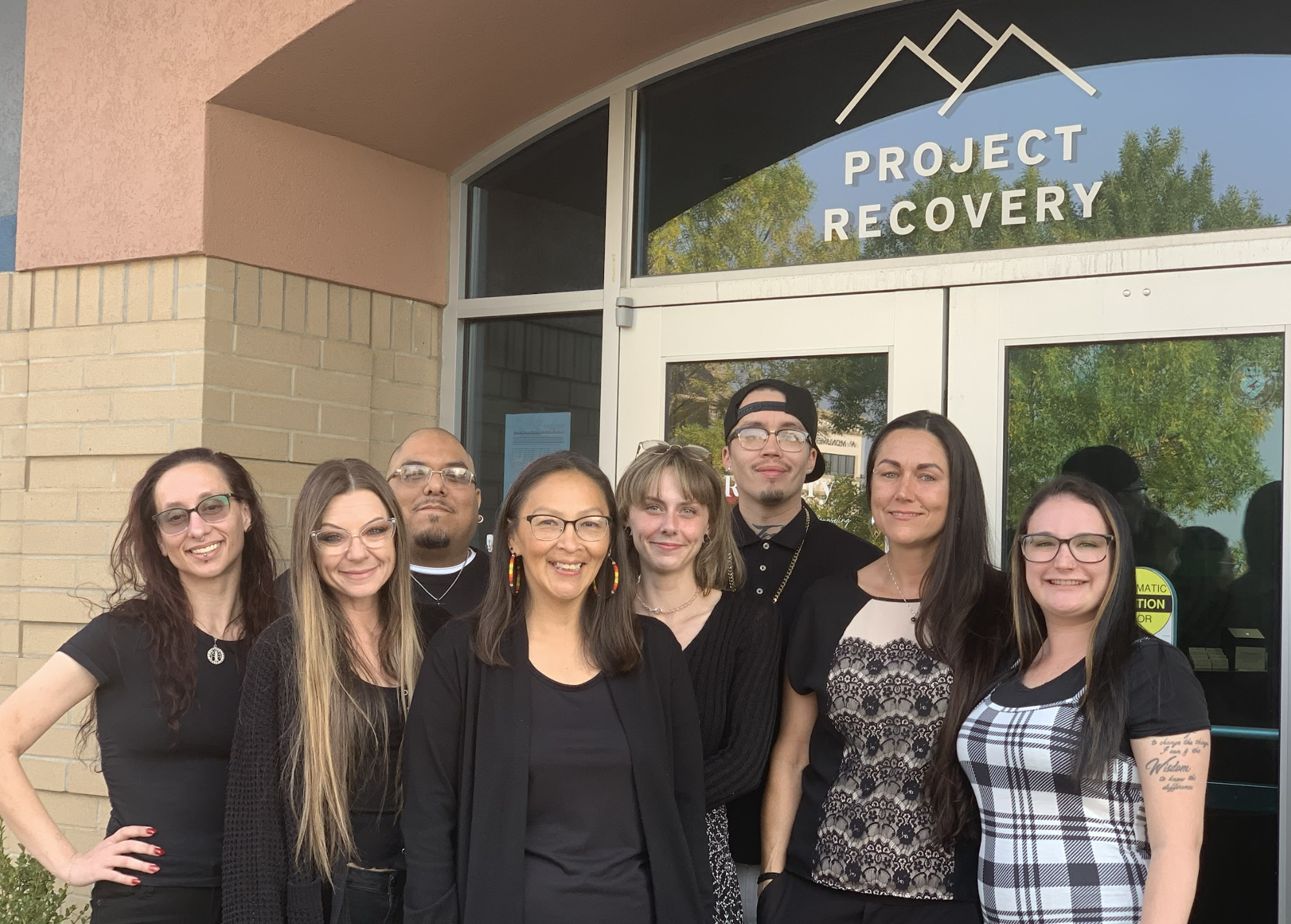
Project Recovery is a dedicated outpatient clinic in Rapid City, South Dakota, offering a safe and non-judgmental path to recovery from opioid and alcohol addiction. The environment is professional, welcoming, and non-institutional, serving all co-ed adults. Specializing in Medication-Assisted Treatment (MAT), they provide a person-centered approach that combines FDA-approved medications like Suboxone and Vivitrol with comprehensive counseling services. Their unique model includes certified peer support specialists who bring invaluable lived experience to the recovery process, with group sessions kept to an intimate size of 10-20 participants. By accepting walk-ins and working with Medicaid, private insurance, and self-pay clients, Project Recovery removes barriers to care, ensuring anyone seeking help can find a supportive and effective treatment plan. Visit their website here.
Facility
Video
Photos


Amenities & Details
Your First Step is a Conversation
Reaching out can feel overwhelming, but you're not alone. The admissions team is here to listen without judgment and help you understand your options.
- Your call is 100% confidential. Speak with Project Recovery's admissions.
- There's no commitment to enroll. They're here to answer questions.
- Talk next steps clearly. Discuss costs and what treatment looks like.
Treatment
Levels of Care
Medication-Assisted Treatment (MAT)
Core outpatient program.
Peer Support Services
Guidance from lived experience.
Approaches
Policies
MAT Program Adherence
Medication must be taken as prescribed.
Appointment Attendance
Regular attendance is crucial for treatment.
Smoking/Vaping Policy
Permitted in designated outdoor areas only.
Personal Electronics
Clients are responsible for their own devices.
Cost
Payment Structure
Project Recovery is committed to accessible care and accepts Medicaid and most major insurance plans. Their team can help you understand your benefits and coverage.
Enquire About CostsSelf-Pay
For clients paying out-of-pocket, they offer affordable options and financial assistance for those who qualify.
- Typical Self-Pay Rate (Estimate): $20 - $65 / visit
- Patient Assistance Program: $65 or Free*
- *For those with low income and no insurance who qualify. Cost includes office visit and any testing performed.
Reviews

Based on 483 Google reviews
What Clients Appreciate
-
Compassionate Staff: Consistently described as kind, non-judgmental, and genuinely caring.
-
Life-Saving Program: Many credit the MAT program and supportive staff with saving their lives.
-
Effective Peer Support: Peer specialists are highly valued for their lived experience and encouragement.
"This place has completely changed my life. I was scared to start this program but everyone made me feel so comfortable and everyone is super nice... They do not judge you at all, they will do anything to help you stay sober."
"Project Recovery literally saved my life. I had no hope and didn’t think I could ever stop using. The Dr is great, counselors are very helpful and the peer support staff are awesome. They make it easy to talk about your struggles with no judgement."
View additional context from reviews
Reviews for Project Recovery are overwhelmingly positive, with hundreds of clients sharing life-changing experiences. Negative feedback is exceptionally rare and typically focuses on minor administrative issues rather than the quality of care.
Tip: The program's success is frequently attributed to the non-judgmental atmosphere created by the staff and peer specialists.
Location
Address
Project Recovery625 Flormann St
Rapid City, SD 57701, USA
Hours
Clinic Hours: Mon-Fri, 8am - 5pm
Closed Saturday & Sunday.
Frequently Asked Questions
Program & Treatment
Why choose this program? What makes it different?
Walk-in appointments accepted without referral, person-centered approach, certified peer support specialists with lived experience, support dog in clinic, free services available for those without insurance who meet financial criteria, treatment customized to individual goals without forced perfection.
What substance use disorder treatment programs do you offer?
Outpatient medication-assisted treatment for opioid use disorder and alcohol use disorder, with individual and group counseling.
How do you treat dual diagnosis / co-occurring disorders?
They treat co-occurring mental health disorders with state-accredited mental health services and can provide referrals to psychiatric care.
What types of therapies are used?
Individual counseling, group counseling, couples counseling, peer support services, and medication-assisted treatment.
Does this program use the 12-Steps?
No, their program is a clinical model based on MAT and counseling, not a 12-Step program.
Is the program faith-based?
No, the program is clinically focused and not faith-based, making it suitable for individuals of all belief systems.
How long has this facility been open?
Founded in 2018 (acquired by QuickMD in March 2024).
Do you treat co-occurring mental disorders?
Yes, they provide state-accredited mental health services and can provide referrals to psychiatric care if needed.
Cost & Admission
What will my costs be for treatment?
Costs are designed to be affordable. They will not let cost be a barrier and will work with what you can afford, with no risk of being sent to collections. Self-pay rates for MAT typically range from $20-$65 per visit, which includes counseling. A patient assistance program is available for low-income, uninsured individuals, which can reduce the cost to $65 or even free.
Do you accept insurance for substance use disorder treatment?
Yes, they accept most major medical insurance plans, including Medicaid and various private insurance providers.
Do you provide detoxification services?
No, they are an outpatient MAT clinic and do not offer inpatient medical detox services.
Is Suboxone (MAT) permitted?
Yes, they specialize in Medication-Assisted Treatment (MAT) and utilize Suboxone, Vivitrol, and other medications as a core part of their treatment approach.
What is the length of a stay for substance use disorders?
N/A - This is an outpatient program, not a residential stay. Treatment length varies by individual need.
Daily Life, Rules & Community
How long will I be there?
Treatment is a long-term maintenance program tailored to your needs. Many clients continue for several years to support their recovery.
Is this a closed/locked facility?
N/A - This is an outpatient clinic, not a locked residential facility. Clients attend appointments and are free to come and go.
Is smoking/vaping allowed?
Yes, smoking and vaping are permitted outside the clinic in designated areas.
What is the living situation like?
N/A - This is an outpatient program. Clients live in their own homes.
Can I get my own room or bathroom?
N/A - This is an outpatient program with no residential accommodations.
Can I use my phone or laptop? Is there WiFi?
Yes, as an outpatient client, you manage your own electronics. Their use may be limited during therapy sessions to ensure focus.
What should I bring with me?
N/A - For outpatient appointments, you only need to bring what you would for a typical doctor's visit, such as your ID and insurance information.
What should I leave at home?
N/A - This is not a residential facility. Prohibited items like illicit substances or weapons are not allowed on the premises.
What is the layout of the campus?
N/A - It is a clinic-based outpatient program located at 625 Flormann Street, Rapid City, not a campus.
What is the difference between inpatient and outpatient addiction treatment?
Inpatient addiction treatment requires patients to live full-time at a facility for 24/7 supervised care, typically lasting 28–90 days, and includes structured daily therapy, medical detox if needed, and a controlled environment to remove triggers; it is ideal for severe addictions or those with co-occurring mental health issues. Outpatient treatment allows patients to live at home and attend scheduled sessions (a few hours several times a week), offering flexibility for work or family while providing counseling, medication management, and group support; it suits milder addictions or as a step-down after inpatient care.
Who provides care here? Who is on the treatment team?
Care is provided by a team that includes a medical doctor, licensed counselors, and certified peer support specialists.
Who else will be in treatment with me? What is the occupancy?
You will be in treatment with other co-ed adults seeking recovery from opioid use disorder. The clientele includes individuals with Medicaid, private insurance, and self-pay clients. Group sizes are typically 10-20 people.
Are family visits allowed?
N/A - As an outpatient program, formal "visitation" is not applicable. Clients live at home with their families.
What kind of aftercare and follow-up support is available?
Ongoing support is provided through their peer support services and groups, which are available to help clients maintain long-term recovery.
What family involvement is included in the treatment process?
Couples counseling is available to help partners work through recovery together. Specific family program details are not listed.
Are there psychiatrists and psychologists on staff?
No, but they can provide referrals to psychiatric care for clients who need it.
Is there any follow-up after discharge?
Yes, clients can continue to engage with peer support services for ongoing community and encouragement after completing their primary treatment goals.
Ready to Take the Next Step?
Their team is available to answer your questions confidentially.
Call NowAccreditation & Support
State Licensed (SD)
Licensed by the State of South Dakota
LegitScript Certified
Verified Healthcare Provider