Overview
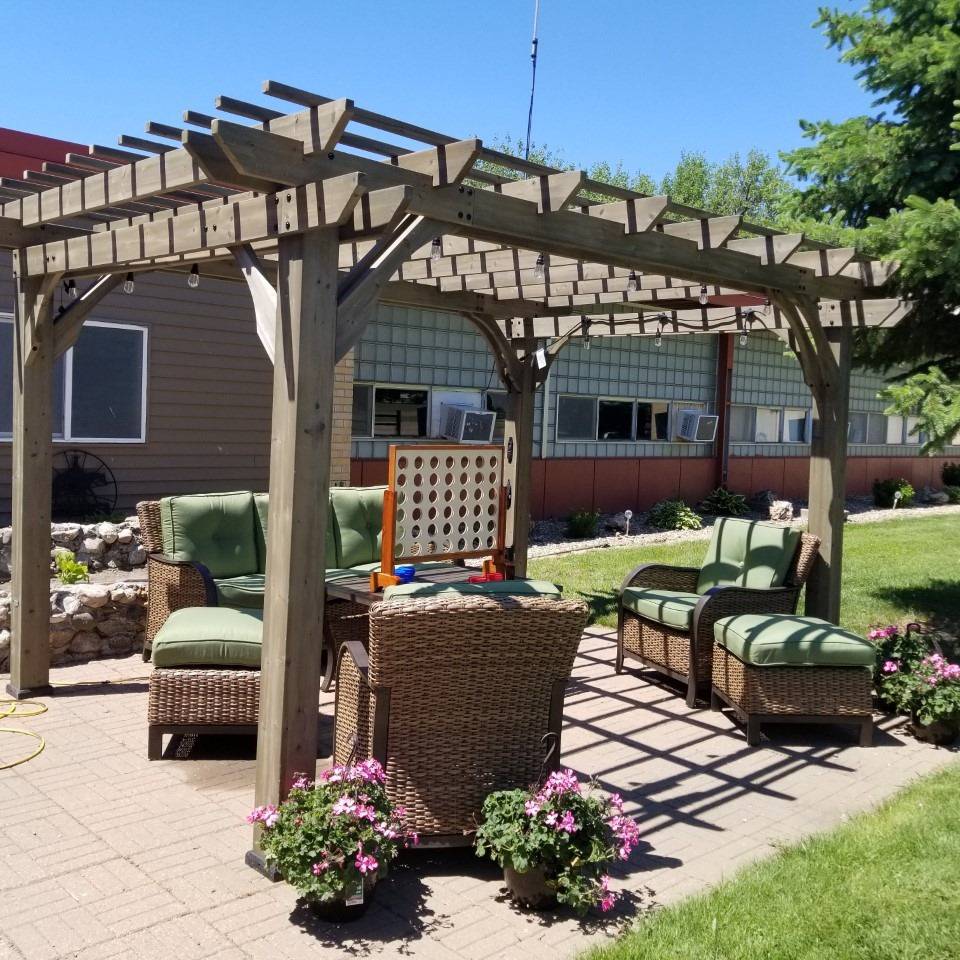
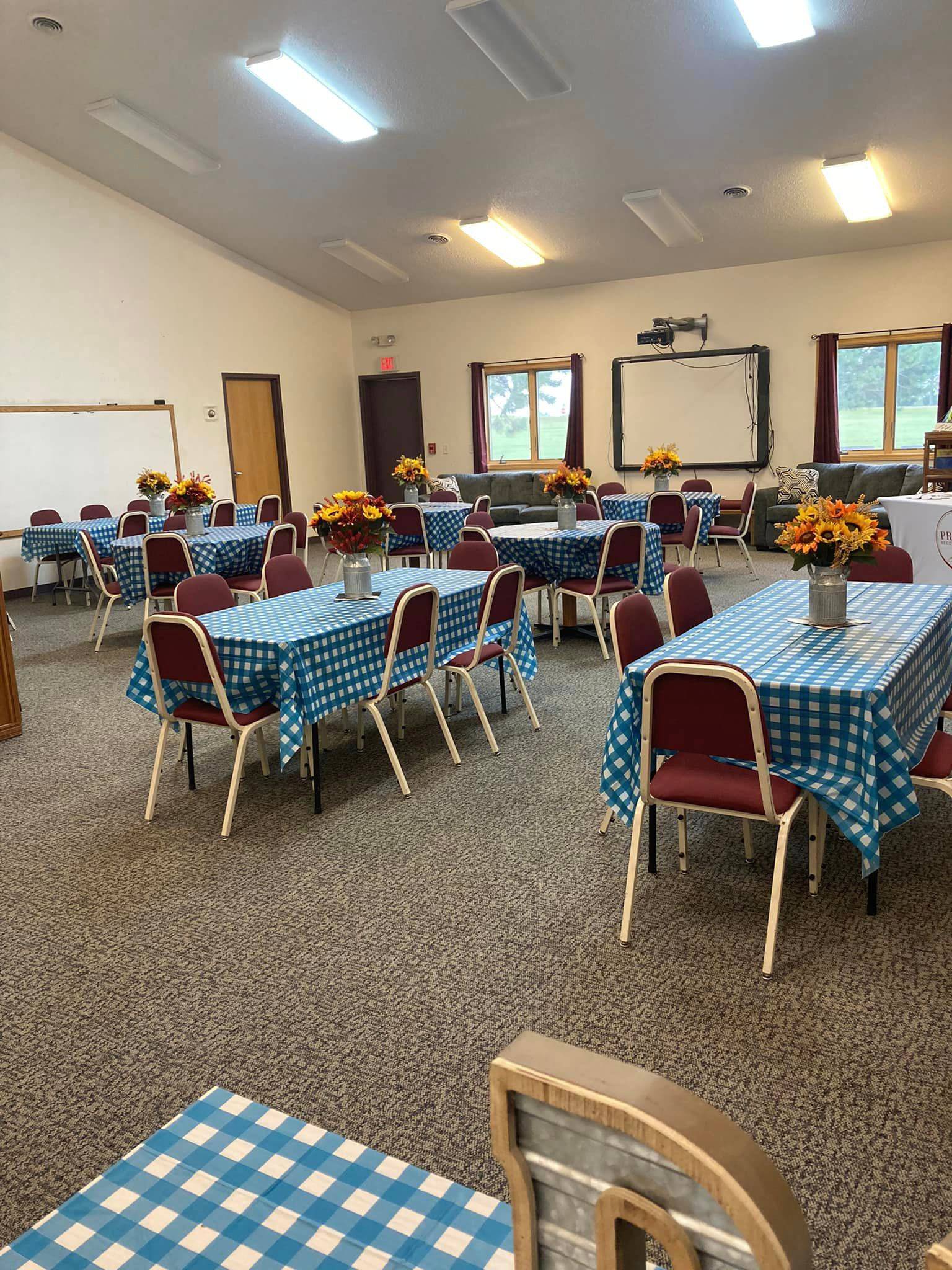
Located in the quiet, expansive plains of Raleigh, North Dakota, Prairie Recovery Center offers a tranquil retreat for adults seeking to overcome substance use and co-occurring mental health disorders. Housed in a former school, the center provides a unique, spacious, and structured facility-based environment with a capacity of 36 clients. The program is co-ed, with clients living in dorm-style rooms. The center's philosophy is rooted in compassion and person-centered care, utilizing evidence-based therapies alongside unique holistic activities like equine therapy and outdoor excursions. By combining clinical treatment with restorative experiences in nature, Prairie Recovery Center helps individuals build a strong foundation for lasting recovery. Visit their website here.
Facility
Video
Photos


Amenities & Details
Your First Step is a Conversation
Reaching out can feel overwhelming, but you're not alone. The admissions team is here to listen without judgment and help you understand your options.
- Your call is 100% confidential. Speak with Prairie Recovery's admissions.
- There's no commitment to enroll. They're here to answer questions.
- Talk next steps clearly. Discuss costs and what treatment looks like.
Treatment
Levels of Care
Residential Program
Immersive, therapy-focused care.
Aftercare Program
Maintaining sobriety for the long term.
Approaches
Policies
Open Campus
Not a locked facility; clients can walk grounds but not leave property.
MAT Policy
Medication-Assisted Treatment is permitted if prescribed by an outside doctor.
Smoking/Vaping Allowed
Permitted in designated outdoor areas during non-programmed times.
Electronics Policy
Personal cell phones and laptops are strictly prohibited.
Family Contact & Visits
Family therapy and on-site visits are encouraged and permitted.
Prohibited Items
No alcohol products, weapons, or non-prescribed medications.
Cost
Insurance Accepted
Prairie Recovery Center works with several private insurance providers, including most PPO and some HMO plans, and also accepts Medicaid. They are in-network with Blue Cross, Sanford Health, and VA Community Care.
Verify Your InsuranceSelf-Pay
Self-pay options are available. Please call to confirm exact pricing.
- Residential (30 Days): $15,000
Reviews

Based on 31 Google reviews
What Clients Appreciate
-
Caring Staff: Reviewers consistently praise the helpful and compassionate counselors and staff.
-
Unique Amenities: The rural campus, equine therapy, and on-site gym are frequently mentioned positives.
-
Effective Program: Many clients describe their experience as life-changing and credit the facility with providing essential recovery tools.
"Prairie Recovery has changed my life for the better! The counselors and staff are absolutely amazing and helpful, I can’t thank them enough. The campus is amazing, there’s horses you can ride, a wonderful gym, and a ton of other things to help you on your journey in recovery..."
"My experience was life changing... I needed time to slow down, heal, and learn about the disease of addiction. Prairie gave me the tools to do so. The staff from the Nurses to the Tech's to the Counselors were amazing and I'm forever grateful for them."
View additional context from reviews
While many reviews are positive, some critical feedback points to issues with staff disorganization, poor communication, and inadequate medication management or discharge planning, suggesting a varied experience depending on individual circumstances.
Location
Address
Prairie Recovery Center7785 St Gertrude Ave
Raleigh, ND 58564, USA
Hours
Admissions: 24/7
Residential programs operate 24/7.
Frequently Asked Questions
Program & Treatment
Why choose us? What makes it different than other addiction treatment centers?
Their mission is to "Provide quality, evidence-based, person-centered care, & support in a safe & healthy environment where individuals & their families can find healing & recovery.". They also emphasize a philosophy of "Compassion, Respect, Person-centered."
What substance use disorder treatment programs do you offer?
Prairie Recovery Center offers a residential treatment program for adults with substance use disorders. They do not offer programs for gambling, sex, or eating disorders.
How do you treat dual diagnosis?
The website's homepage has a headline that says "Providing Superior Treatment for Addiction and Mental Health Disorders," which suggests they treat co-occurring disorders, but no specifics are given.
What types of therapies do you use in your addiction treatment programs?
They use a 12-Step Program, Cognitive Behavioral Therapy, Dialectical Behavior Therapy, Family Therapy, Group Therapy, Individual Therapy, Life Skills Training, and Motivational Interviewing.
Does this program use the 12-steps, or not use the 12-steps? Smart recovery? Celebrate recovery?
The program is primarily therapy-based. However, they do offer optional AA and NA meetings for clients who find the 12-Step model beneficial for their recovery.
Is the program faith-based?
No, the program is clinically focused and not faith-based, making it suitable for individuals of all belief systems and backgrounds.
How long has this facility been open?
Prairie Recovery Center was founded and has been offering services since 2020.
Do you treat co-occurring mental disorders?
The website suggests they do, with a headline that reads "Providing Superior Treatment for Addiction and Mental Health Disorders".
Cost & Admission
What will my costs be for treatment?
Costs vary based on insurance coverage. The estimated self-pay rate for the residential program is $15,000 for a 30-day stay. It is best to call for an exact quote based on your insurance and clinical needs.
Do you accept insurance for substance use disorder treatment?
Yes, they accept most private PPO and some HMO insurance plans, Medicaid, and are in-network with Blue Cross, Sanford Health, and VA Community Care.
Do you provide detoxification services?
No, Prairie Recovery Center does not offer a dedicated medical detox program. Clients may need to complete detox at another facility before admission.
Is Suboxone (MAT) permitted?
Yes, according to available info, the center accepts clients who are on medication-assisted treatment (MAT), including substances like Suboxone, if those medications are prescribed by an outside provider.
Daily Life, Rules & Family
How long will I be there?
The typical length of stay in the residential program is between 45 and 60 days, depending on individual clinical needs and progress.
What is the living situation like? Can I get my own room?
The living situation is dorm-style within a large facility that was formerly a school. All rooms are shared, with up to six clients per room. Private rooms are not available.
Is this a closed/locked facility?
No, it is an open campus, not a locked facility. Clients can go outside and walk around the grounds but are not permitted to leave the property. The environment is described as being similar to a summer camp.
Can I use my phone or laptop? Is smoking allowed?
Yes, smoking and vaping are permitted in designated outdoor areas. Personal electronics like phones and laptops are not allowed to help clients focus on recovery.
What should I bring with me?
When preparing for a stay in a residential rehab program, it’s best to pack only the basics that contribute to your comfort and healing. Bring weather-appropriate clothing, simple toiletries that don’t contain alcohol (such as alcohol-free hygiene products), prescribed medications in their original containers, your insurance information, and perhaps a small amount of cash for vending machines. A notebook or journal can be helpful for reflection, and keeping a written list of important contacts is wise since access to phones is often limited. Some centers also permit personal reading material, especially recovery-related or spiritual books. Always review the facility’s specific packing guidelines, as each program may have different rules.
What should I leave at home?
At the same time, there are items that should be left at home. Substances like alcohol or drugs, weapons, or anything that might be used to cause harm are strictly forbidden. Electronics such as laptops, tablets, or personal cell phones are usually not permitted to reduce outside distractions. You’ll also want to avoid packing clothing that displays drug or alcohol imagery, expensive jewelry, or food and drinks from outside. Many programs also restrict perfumes, aerosols, or other products containing alcohol. A simple rule to follow: if the item could disrupt recovery, trigger cravings, or take focus away from treatment, it doesn’t belong in your bag.
What is the difference between inpatient and outpatient addiction treatment?
The biggest difference between residential rehab and outpatient treatment lies in how structured and immersive the care is. In a residential program, you live at the facility full-time, following a set routine that typically includes counseling, group therapy, individual sessions, and guided activities—all in a supportive environment designed to limit exposure to triggers and outside pressures. This level of care is especially helpful for individuals facing severe addiction or co-occurring mental health challenges. Outpatient care, by contrast, lets you stay at home and attend scheduled therapy or support groups while managing your everyday responsibilities. Although it offers more freedom and flexibility, it also demands greater self-control, as you remain in your usual surroundings where temptations and stressors may still be present.
Support, Staff & Community
Who provides care here? Are there psychiatrists and psychologists on staff?
The care team consists of nurses, licensed counselors, and support staff. There are no medical doctors or psychiatrists on staff.
Who else will be in treatment with me at your facility? What is their occupancy?
The program is co-ed for adults (18+). The facility has a 36-bed capacity, creating a community of peers from various backgrounds, including those with state-funded and private insurance.
What is the family involvement and visitation policy?
Family involvement is a component of the program. Family therapy is offered, and on-site family visitation is permitted.
What types of support and aftercare are available once treatment ends?
Yes, the facility has an Aftercare Program to provide follow-up support after discharge. They do not have their own step-down levels of care like IOP or sober living.
Is there any follow-up after discharge?
Yes, they have an Aftercare Program to provide ongoing support.
Ready to Take the Next Step?
Their team is available to answer your questions confidentially.
Call NowAccreditation & Support
CARF Accredited
Commission on Accreditation of Rehabilitation Facilities
State Licensed (ND)
Licensed by the State of North Dakota