
Overview
Located in downtown Nashua, New Hampshire, The Process Recovery Center is a nationally accredited treatment facility helping adults achieve long-term recovery from addiction. Their unique model provides clinical services at a central facility, while clients reside in separate, comfortable sober living houses. This structure allows clients to practice real-world skills in a supportive, gender-specific home environment with shared rooms that encourage peer accountability. They offer a robust continuum of care, including a Partial Hospitalization Program (PHP) with sober living, an Intensive Outpatient Program (IOP), and comprehensive aftercare. Integrating evidence-based therapies like EMDR, CBT, and DBT with Medication-Assisted Treatment (MAT), the compassionate clinical staff—many with personal recovery experience—create a safe, life-changing space to build a strong foundation for a sober future. Visit their website here.
Facility
Video
Photos


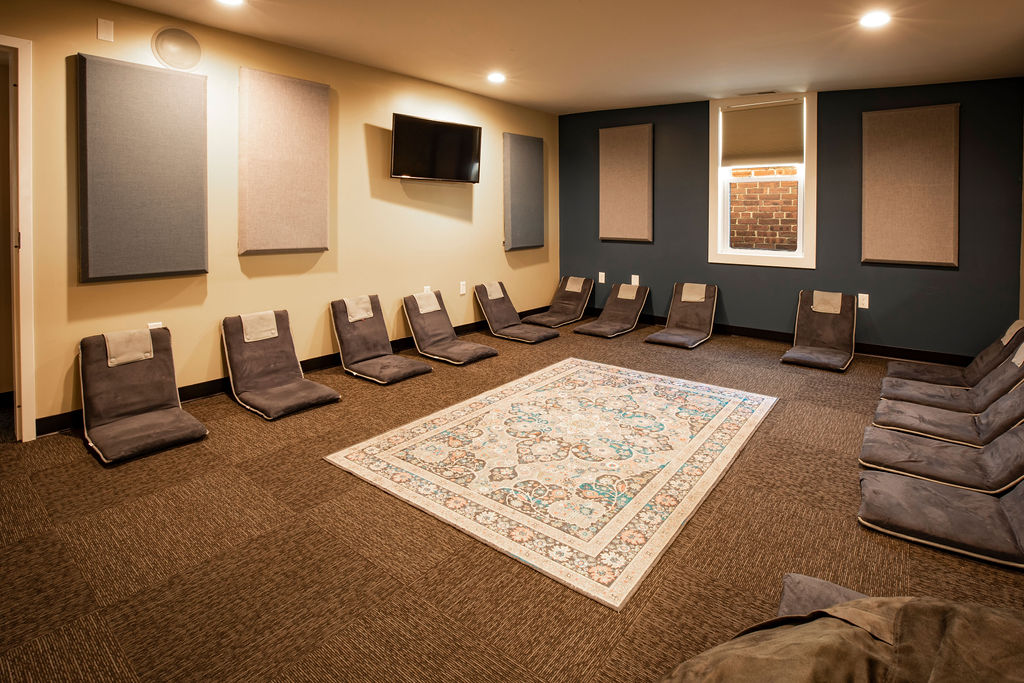


Amenities & Details
Your First Step is a Conversation
Reaching out can feel overwhelming, but you're not alone. The admissions team is here to listen without judgment and help you understand your options.
- Your call is 100% confidential. Speak with The Process's admissions.
- There's no commitment to enroll. They're here to answer questions.
- Talk next steps clearly. Discuss costs and what treatment looks like.
Treatment
Levels of Care
Partial Hospitalization (PHP)
Structured day treatment with sober living.
Intensive Outpatient (IOP)
Flexible support for real-world integration.
Sober Living & Aftercare
Community and accountability for sobriety.
Approaches
Policies
Open Campus
Clients live in sober housing and attend treatment; not a locked facility.
MAT Supported
Medication-Assisted Treatment (e.g., Suboxone) is supported.
Smoking/Vaping Allowed
Permitted in designated areas at sober living residences.
Electronics Policy
Personal phones and laptops are permitted, subject to house rules.
Family Contact & Visits
Family involvement and visits are supported and encouraged.
Prohibited Items
Drugs, alcohol, weapons, and products with alcohol are forbidden.
Cost
Insurance Accepted
The Process Recovery Center accepts most major commercial insurance plans and is in-network with many providers. They also proudly accept all New Hampshire Medicaid plans.
Verify Your InsuranceSelf-Pay
Self-pay options are available. Please call to confirm exact pricing.
- PHP (4 Weeks): $17,000
- IOP Program (12 Weeks): $16,000
- Sober Housing (Weekly): ~ $200
Reviews

Based on 164 Google reviews
What Clients Appreciate
-
Phenomenal Staff: Reviewers consistently praise the staff as caring, compassionate, and genuinely invested in each client's success.
-
Strong Community: The "family" atmosphere among clients and staff creates a safe, supportive environment for recovery.
-
Life-Saving Tools: Many former clients state the program saved their life by providing accountability and essential tools for sobriety.
"The Process Recovery Center is a one of a kind treatment center that provides top notch care for individuals seeking recovery... The staff are some of the most caring and compassionate people I've ever met... They will give you all the tools needed to be successful."
"Process Recovery saved my life. The staff are incredible. They have a genuine love for what they do, and I felt it from day one. They held me accountable while treating me with dignity and respect. I learned that recovery IS possible."
View additional context from reviews
While the vast majority of reviews are glowing, it's important to note that negative feedback is extremely rare and often several years old. There are no consistent critical themes regarding the program, staff, or facility. The few isolated low ratings typically mention specific interpersonal issues rather than systemic problems with the center's quality of care.
Location
Address
The Process Recovery Center21 Factory St
Nashua, NH 03060, USA
Hours
Admissions: Mon-Fri, 9am - 6pm
Clinical programs operate during the day.
Frequently Asked Questions
Program & Treatment
Why choose us? What makes it different than other addiction treatment centers?
The center distinguishes itself through its Joint Commission accreditation, staff comprised of individuals in long-term recovery, a holistic approach including health and wellness practices, individualized treatment plans, and a continuum of care.
What substance use disorder treatment programs do you offer?
They offer a Partial Hospitalization Program (PHP), Intensive Outpatient Program (IOP), Sober Living, Aftercare Planning, and Medication-Assisted Treatment (MAT).
How do you treat dual diagnosis?
Yes, they treat dual diagnosis. The use of innovative therapies like EMDR and Neurofeedback for conditions like trauma, anxiety, depression, and PTSD indicates an integrated approach to addressing co-occurring mental health disorders alongside substance use.
What types of therapies do you use in your addiction treatment programs?
The program uses therapies such as Neurofeedback, EMDR, Ear Acupuncture, and Recovery Coaching, and incorporates practices like yoga, mindfulness, exercise, and nutrition.
Does this program use the 12-steps?
Yes, the program incorporates 12-Step principles and facilitates attendance at nightly 12-Step meetings as part of their multifaceted approach.
Is the program faith-based?
No, the program is clinically focused and not inherently faith-based, though they do offer optional spirituality groups to support clients from all belief systems.
How long has this facility been open?
The Process Recovery Center was founded and has been offering services since 2015.
Which program should I choose?
The Process Recovery Center offers PHP and IOP. To determine which choice is best for you, they recommend calling for a free assessment. Their team can evaluate your unique circumstances and help you make an educated decision.
Cost & Admission
What will my costs be for treatment?
The cost of treatment varies by level of care and length of stay. Self-pay for a 30-day PHP program is estimated at $16,000-$17,000, with sober living housing costing approximately $200/week. They recommend calling for a personalized assessment and quote.
Do you accept insurance for substance use disorder treatment?
Yes, they accept most major insurance providers. They also offer affordable cash pay rates with payment plan options.
Do you accept Medicaid/Medicare?
Yes. They accept all New Hampshire Medicaid plans. Medicare coverage is not specified.
If I don’t have insurance, can I still get treatment?
Yes, absolutely. Cash pay rates and payment plans are available. Please call their admissions team to inquire for more information.
What is the intake procedure?
Before treatment begins, you will be asked to complete a short, confidential telephone prescreening and assessment to determine the appropriate level of care.
Do you provide detoxification services?
Information regarding on-site detox is not specified. Please contact the facility directly to inquire about their detox protocols or partnerships. (Owner needs to claim listing).
Is Suboxone (MAT) permitted?
Yes, the center offers and supports Medication-Assisted Treatment (MAT) for clients who choose that form of treatment as part of their recovery plan.
Daily Life, Rules & Family
How long will I be there?
A typical stay in the PHP with sober living program is 30 days, but the length of treatment is individualized based on clinical needs and progress.
What is the living situation like? Can I get my own room?
Clients reside in comfortable, home-like sober living houses. All rooms are shared with roommates to foster community and peer support; private rooms are not available.
Is this a closed/locked facility?
No, this is an open campus model. Clients live in sober housing and are responsible for attending programming at the clinical site. It is a voluntary program, and while supervised, it is not locked.
Can I use my phone or laptop? Is smoking allowed?
Yes, smoking and vaping are permitted in designated outdoor areas at the sober living houses. Personal electronics like phones and laptops are also allowed, subject to house rules and limits to ensure focus on recovery.
What should I bring?
Bring about a week's worth of comfortable, casual clothing, including items suitable for job interviews. Pack personal, alcohol-free hygiene products. Also bring important documents like your ID and insurance card. Books or a journal are also recommended.
What should I leave at home?
Do not bring any drugs, alcohol, weapons, or unapproved medications. Leave products containing alcohol (mouthwash, perfume) at home. It is also wise to leave valuables like expensive jewelry or large amounts of cash behind.
What is the difference between inpatient and outpatient addiction treatment?
The Process Recovery Center focuses on outpatient levels of care. Their PHP provides a highly structured environment similar to inpatient, with clients attending therapy for several hours a day, five days a week, while living in supportive housing. Their IOP is less intensive, with therapy sessions a few hours a day, several days a week, offering more flexibility to accommodate work or family schedules while still providing robust support.
Who provides care here? Are there psychiatrists on staff?
Care is provided by an experienced team that includes multiple Masters-level clinicians, a Psychiatric Nurse Practitioner (PMHNP) who addresses medical and medication needs, registered nurses, and a dedicated recovery team, many of whom are in long-term recovery themselves.
Who else will be in treatment with me?
The program is for co-ed adults (18+). You will be in a diverse community of peers from various backgrounds, including those with private insurance and state-funded (NH Medicaid) plans, all working toward recovery together.
Are family visits allowed?
Yes, family visits are supported to help heal relationships. Specific details on family therapy involvement and visitation schedules should be discussed with the clinical team. (Owner needs to claim listing).
What kind of aftercare and follow-up support is available?
They provide a comprehensive aftercare plan, ongoing Recovery Coaching, and monthly Process Alumni meetings to ensure clients stay connected to a strong, supportive recovery family post-treatment.
Ready to Take the Next Step?
Their team is available to answer your questions confidentially.
Call NowAccreditation & Support
Joint Commission
Nationally Accredited Healthcare Provider
State Licensed (NH)
Licensed by the State of New Hampshire
LegitScript Certified
Verified Healthcare Provider