
Overview
Located just outside Chicago in Elgin, Illinois, Footprints to Recovery offers a complete continuum of care for adults struggling with drug and alcohol addiction. This multi-accredited facility specializes in dual diagnosis treatment, addressing co-occurring mental health disorders alongside substance use. Their approach is built on individualized care, combining evidence-based therapies like CBT, DBT, and EMDR with holistic practices. The detox and residential programs are housed in a clinical facility with apartment-style living quarters, while clients in PHP may transition to house-like settings. The "open" campus fosters an atmosphere of personal responsibility. From medical detox and residential treatment to flexible outpatient programs and sober living, Footprints to Recovery provides a structured and supportive path to long-term sobriety. View their website here.
Facility
Video
Photos





Amenities & Details
Your First Step is a Conversation
Reaching out can feel overwhelming, but you're not alone. The admissions team is here to listen without judgment and help you understand your options.
- Your call is 100% confidential. Speak with the facility's admissions.
- There's no commitment to enroll. They're here to answer questions.
- Talk next steps clearly. Discuss costs and what treatment looks like.
Treatment
Levels of Care
Medical Detox
Safe withdrawal management.
Residential Treatment
Immersive, 24/7 therapeutic care.
PHP & IOP Programs
Structured, flexible treatment.
Sober Living
Supportive transitional housing.
Approaches
Policies
Medical Clearance
Assessment required; on-site detox available.
MAT Permitted
Suboxone is integrated into treatment plans.
Smoking/Vaping Allowed
Permitted in designated outdoor areas.
Electronics Blackout
72-hour initial blackout; restricted during clinical hours.
Mandatory Participation
Active participation in all sessions is required.
Random Drug Testing
Conducted to ensure a safe, sober environment.
Cost
Payment Structure
Footprints to Recovery is in-network with most major insurance providers. Contact their team for a free benefits check.
Verify InsuranceSelf-Pay
Estimates for self-pay options are below. Payment plans may be available.
- Medical Detox (3-7 days): Approx. $5,000
- Residential Treatment: Approx. $18,000 / month
- PHP Program: Approx. $16,000 / month
- IOP Program: Approx. $12,000 / month
Reviews

Based on 344 Google reviews
What Clients Appreciate
Compassionate Staff: Consistently praised for being caring, professional, and impactful.
Effective Clinical Care: Trauma therapy (EMDR) and dual diagnosis approach are highlighted.
Life-Saving Experience: Many credit the facility with providing the tools for long-term sobriety.
"Footprints has an amazing team that truly cares about helping people. The clinical team is great and all the techs and support staff go above and beyond for their clients. It's a great place to start your recovery journey!"
"This place saved my life. I was in a dark place before I got here and they showed me the light. The staff is amazing, they listen to you, they hear you, and they guide you in the right direction. It's truly a blessing I ended up here."
View additional context from reviews
A minority of reviews mention concerns regarding communication, billing issues after treatment, or dissatisfaction with specific staff interactions or policies. These are far outweighed by the extensive positive feedback.
Location
Address
Footprints to Recovery411 W River Rd
Elgin, IL 60123, USA
Hours
Admissions: 8am - 6pm
Residential programs operate 24/7.
Frequently Asked Questions
Program & Treatment
Why choose this program? What makes it different?
Footprints to Recovery emphasizes individualized care, a full continuum of treatment programs, a wide range of evidence-based therapies (CBT, DBT, EMDR), and specialized treatment for co-occurring disorders, all within a comfortable and supportive environment.
What substance use disorder treatment programs do you offer?
They offer a full continuum of care, including medical detox, residential/inpatient treatment, Partial Hospitalization Program (PHP), Intensive Outpatient Program (IOP), Outpatient Program (OP), Sober Living housing, and Telehealth services.
How do you treat dual diagnosis / co-occurring disorders?
Yes, they specialize in treating dual diagnosis by providing comprehensive, integrated treatment for both substance use disorders and co-occurring mental health conditions like anxiety, depression, PTSD, and bipolar disorder.
What types of therapies are used?
A wide range of therapies are used, including individual, group, and family therapy, Cognitive Behavioral Therapy (CBT), Dialectical Behavior Therapy (DBT), Eye Movement Desensitization and Reprocessing (EMDR), trauma therapy, ACT, and experiential/holistic therapies like animal-assisted therapy and yoga.
Does this program use the 12-Steps, SMART Recovery, or Celebrate Recovery?
The program offers multiple pathways to recovery. While they support the 12-Step model, they also provide alternatives such as SMART Recovery and Recovery Dharma to meet diverse client needs.
Is the program faith-based?
No, the program is not faith-based. It is a clinical program rooted in evidence-based therapeutic practices.
How long has this facility been open?
Footprints to Recovery was founded in 2014.
Cost & Admission
What will my costs be for treatment?
Costs vary depending on your insurance coverage and individual treatment plan. Financial admissions coordinators are available to discuss payment plans and financial hardship options. Self-pay estimates are available on the "Costs" tab.
Do you accept insurance?
Yes, they are in-network with many major insurance providers, including Humana, Optum, Tricare, United Healthcare, Aetna, BCBS, Cigna, and more. You can verify your insurance coverage through their online tool or by calling.
Do you provide detoxification services?
Yes, Footprints to Recovery offers a full medical detox program on-site to ensure a safe and managed withdrawal process before beginning residential treatment.
Is Suboxone (MAT) permitted?
Yes, Medication-Assisted Treatment (MAT) is a key part of their program. They utilize medications like Suboxone as part of a comprehensive treatment plan that includes therapy and counseling.
Daily Life, Rules & Family
How long is the program?
The length of stay is tailored to each individual's needs and progress, typically ranging from 30 to 90 days for the full continuum of care.
What is the living situation like? Can I get my own room?
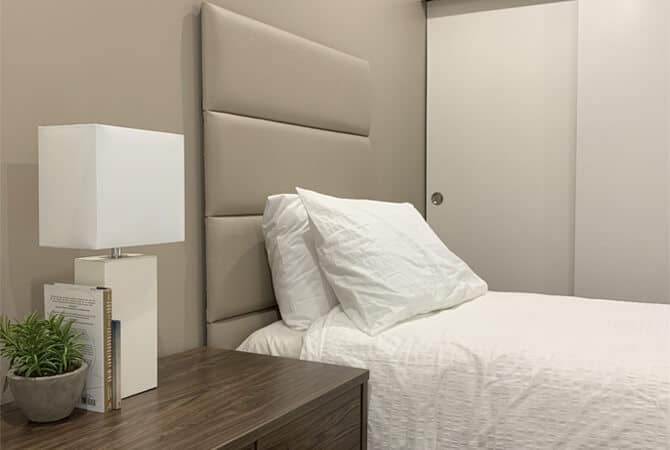
The living quarters are apartment-style. Clients will share a room and a bathroom with one other person. Private rooms are not available, as the shared living arrangement is designed to foster community and peer support.
Is this a closed/locked facility?
No, it is an open campus and not a locked-down facility. While residential treatment is structured and secure, clients are there voluntarily and could theoretically walk out at any time, which would be considered leaving Against Medical Advice (AMA).
Can I use my phone/laptop? Is smoking allowed?
Smoking/vaping is allowed in designated outdoor areas. For electronics, there is a strict policy: phones and laptops are not permitted during inpatient/residential stays to minimize distractions. There is an initial 7-day blackout period, after which two 5-minute calls per day are allowed on a facility landline.
What should I bring? What should I leave at home?
Bring about 7 days' worth of comfortable clothes, closed-toed shoes, ID, insurance info, current medications, and new/sealed toiletries. Leave weapons, alcohol/drug products, pornography, valuables, and cash exceeding $20 at home.
Who provides care here? Are there psychiatrists on staff?
Care is provided by a multidisciplinary team that includes licensed psychologists, psychiatrists, master's-level clinicians, licensed professional counselors, registered nurses, case managers, and behavioral health technicians.
Who will be in treatment with me?
The program is for a co-ed population of adults from various backgrounds who have private insurance or are self-paying. You will be in a community of peers committed to recovery. The facility's total occupancy is not disclosed.
What is the family involvement and visitation policy?
Family involvement is a key component of the program. They offer family therapy, support services, and a weekly family night. On-site family visits are permitted on Sundays.
What kind of aftercare and follow-up support is available?
Yes, robust aftercare services are provided after discharge. This includes continuing care plans, referrals to sober living, access to local recovery resources, peer mentoring groups, and an active alumni program with events.
Ready to Take the Next Step?
Their team is available to answer your questions confidentially.
Call NowAccreditation & Support
Joint Commission
Gold Seal of Approval
NAATP Member
National Association of Addiction Treatment Providers
NAADAC Member
Association for Addiction Professionals
NALGAP Member
LGBTQ+ Behavioral Health Providers