
Overview
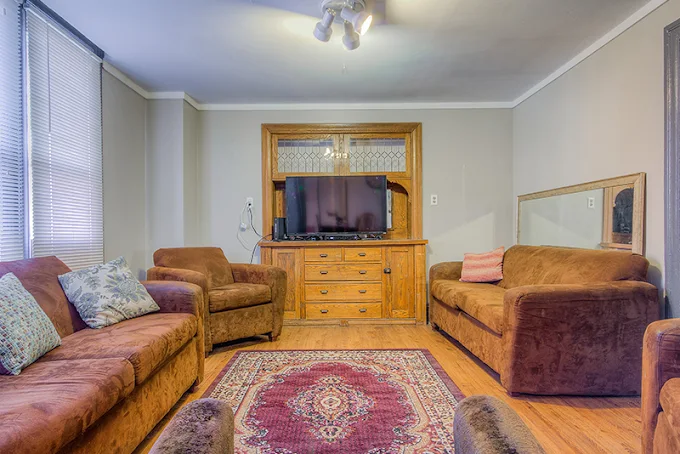
Since its beginning as a single sober house in 2016, Mile High Recovery Center has grown into a comprehensive addiction treatment provider in Denver, Colorado. Their unique model integrates clinical treatment with community-based living, where clients reside in one of nine gender-specific sober living homes. These comfortable, home-like environments with shared rooms and a small capacity (6-15 beds) foster peer support and accountability. Mile High specializes in creating individualized, thoughtful treatment plans that address both substance use and co-occurring mental health disorders. By integrating evidence-based therapies and a robust community support system, they provide clients with the tools needed to achieve and maintain a healthy, sober life. The program is not a locked facility, and their services are covered by most major insurance providers. View their website here.
Facility
Video
Photos


Amenities & Details
Your First Step is a Conversation
Reaching out can feel overwhelming, but you're not alone. The admissions team is here to listen without judgment and help you understand your options.
- Your call is 100% confidential. Speak with Mile High's admissions.
- There's no commitment to enroll. They're here to answer questions.
- Talk next steps clearly. Discuss costs, insurance, and what treatment looks like.
Treatment
Levels of Care Offered
Medical Detoxification
Safe, Supervised Withdrawal Management
Residential Treatment
Immersive Therapy in a Community Setting
Outpatient Programs (PHP/IOP)
Flexible Treatment for Real-World Integration
Aftercare & Sober Living
Maintaining Sobriety for the Long Term
Approaches
Policies
Drug Testing
Random drug and alcohol screenings are conducted.
MAT Permitted
Suboxone and Vivitrol are integrated into treatment plans.
Smoking/Vaping Allowed
Permitted in designated outdoor areas.
Electronics Policy
Phones collected at intake, access granted based on progress.
Mandatory Participation
Active participation in all scheduled therapies is required.
Family Involvement
Family therapy and group meetings are offered.
Cost
Insurance Accepted
Mile High Recovery Center accepts most major private insurance plans and will work with you to maximize your benefits. Contact their admissions team for a free, confidential benefits check to confirm your coverage.
Verify Your InsuranceSelf-Pay
For clients paying out-of-pocket, please call to confirm exact pricing. Detox and outpatient services are separate.
- Residential (30 days): $18,000 - $24,000
Accepted Private Insurance Providers May Include:
This is a partial list. The best way to confirm coverage is to contact their admissions team.
Reviews

Based on 175 Google reviews
What Clients Appreciate
-
Compassionate Staff: Consistently described as professional and genuinely invested in client well-being.
-
Strong Community: Many clients find a "family" and lasting sober support.
-
Effective Model: Combining clinical care with sober living provides accountability and real-world skills.
"Mile High saved my life. I went in a broken man with no hope left for my future. I was immediately welcomed by the staff and other clients with open arms. The community and fellowship at mile high is unmatched...I am forever grateful for my experience at mile high."
"Mile High provided a safe, supportive, and structured environment to begin my recovery journey. The clinical team, case managers, and support staff truly care and are dedicated to helping clients succeed. The community here is invaluable... If you're struggling, this is the place to go."
View additional context from reviews
Negative feedback is less common but occasionally mentions organizational issues, communication gaps during staff transitions, or disagreements with specific rules or discharge decisions. A few past clients noted issues with billing or insurance processing.
Location
Address
Mile High Recovery Center1633 Fillmore St
Denver, CO 80206, USA
Hours
Admissions: 8am - 6pm
Clinical programs operate on structured schedules.
Frequently Asked Questions
Program & Treatment
Why choose this program? What makes it different?
Mile High emphasizes a year-long recovery continuum, integrating clinical care with community-based sober homes. Its key differentiators are this strong community model, inclusive care for LGBTQ+ and veterans, a wide array of holistic and experiential therapies, and a robust alumni program.
What substance use disorders do you treat?
They offer treatment for alcohol, opioids (including heroin), stimulants (cocaine, meth), benzodiazepines, and other substance use disorders through a full continuum of care including detox, residential, and outpatient programs.
How do you treat dual diagnosis / co-occurring disorders?
Yes, they provide integrated dual diagnosis care. Their team addresses mental health disorders such as PTSD, depression, anxiety, bipolar disorder, and grief alongside addiction treatment using trauma-informed care, psychiatric support, and specialized therapies.
What types of therapies are used?
They offer a wide range of evidence-based and holistic therapies, including: CBT, DBT, ACT, EMDR, Motivational Interviewing, Person-Centered Therapy, Relapse Prevention, Experiential Therapies (Adventure, Equine), Group & Individual Therapy, and Nutrition Education.
Does this program use the 12-Steps, SMART Recovery, or Celebrate Recovery?
The program supports and integrates 12-Step facilitation into its treatment approach. There is no mention of SMART Recovery or Celebrate Recovery on their website.
Is the program faith-based?
No, Mile High Recovery Center is a clinical, evidence-based program and is not faith-based.
Cost & Admission
What will my costs be for treatment?
Costs vary based on the level of care and your insurance coverage. The estimated self-pay rate for the residential program is between $18,000 and $24,000 for a 30-day stay. Detox and outpatient services are typically separate costs. Contact admissions for a precise quote and to discuss financial arrangements.
Do you accept insurance?
Yes, Mile High Recovery accepts most major private health insurance plans, including but not limited to BCBS, Cigna, Aetna, MultiPlan, and Tricare. Their admissions team can provide a free, confidential verification of your benefits.
Do you provide detoxification services?
Yes, they offer medically supervised inpatient detox as the first step in their residential care program. They manage withdrawal from substances like alcohol, opioids, benzodiazepines, and stimulants to ensure client safety.
Is Suboxone (MAT) permitted?
Yes, Medication-Assisted Treatment (MAT) is a key component of their services. They utilize medications such as Suboxone (buprenorphine/naloxone) and Vivitrol (injectable naltrexone) as part of a comprehensive treatment plan.
Daily Life, Rules & Family
Is this a closed/locked facility?
The program operates on an open-campus model and is not a locked facility. However, it is highly structured, and clients are expected to remain on-site and adhere to the program schedule unless on an approved, supervised outing.
What is the living situation like? Can I get my own room?
Clients live in gender-specific sober living houses that are comfortable and home-like. To foster community and peer accountability, all rooms are shared with a roommate. Private rooms are not available.
Can I use my phone/laptop? Is smoking allowed?
Yes, smoking and vaping are permitted in designated outdoor areas. Personal electronics like phones and laptops are collected upon admission to allow clients to focus on their initial recovery. Limited, supervised access is typically granted as clients progress through treatment milestones.
What should I bring? What should I leave at home?
Bring: Comfortable, season-appropriate clothing for 7-10 days, personal hygiene items (alcohol-free), photo ID and insurance card, and any prescribed medications in their original bottles.
Leave at Home: Drugs or alcohol, weapons, expensive valuables, and clothing with inappropriate logos. It's best to confirm a detailed packing list with the admissions team.
How long will I be there?
The length of stay is customized to each individual's needs. A typical residential stay ranges from 30 to 90 days, though longer stays are often recommended for the best outcomes. The full continuum of care, including outpatient and sober living, is designed to provide support for up to a year.
Who provides care here? Are there psychiatrists on staff?
Care is delivered by a licensed, multidisciplinary team that includes addiction counselors, therapists (LPC, LAC), case managers, and medical professionals (DO, NP) who can provide psychiatric support and medication management.
Who will be in treatment with me? What is the occupancy?
The program serves adults and young adults (18+) from various backgrounds. Therapeutic groups are co-ed, but residential living is in gender-specific homes. The environment is one of peer support with a small client population (6-15 beds), ensuring an intimate and focused community.
What is the family involvement and visitation policy?
Family involvement is a key part of the program. They offer structured family therapy and group meetings to help educate loved ones and heal relationships. Specific policies regarding on-site visitation schedules and rules should be confirmed directly with the admissions team.
What kind of aftercare and follow-up support is available?
Yes, they offer extensive aftercare support. This includes a robust alumni program with regular events, ongoing recovery support groups, case management for a smooth transition, discharge planning, life skills coaching, and follow-up services to support long-term sobriety.
Ready to Take the Next Step?
Their team is available to answer your questions confidentially.
Call NowAccreditation & Support
Joint Commission
Gold Seal of Approval
State of Colorado
Licensed Treatment Facility
NALGAP Member
LGBTQ+ Affirming Care
LegitScript Certified
Verified Healthcare Provider