
Overview
DeCoach Recovery Center in Dayton, Ohio, provides a structured and supportive environment for adults seeking to overcome drug and alcohol addiction. Housed in a large campus building, the facility specializes in accessible care for Medicaid and in-network clients. The 80-bed, co-ed program offers a community-focused experience with clients living in dorm-style rooms. Core programs include medically supervised detoxification and residential treatment, integrating Medication-Assisted Treatment (MAT) with evidence-based therapies to address the physical, mental, and emotional aspects of addiction. Visit their website here.
Facility
Video
Photos


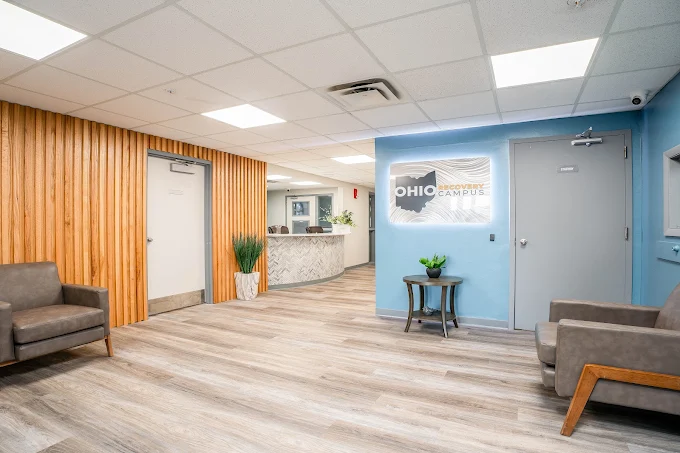


Amenities & Details
Your First Step is a Conversation
Reaching out can feel overwhelming, but you're not alone. The admissions team is here to listen without judgment and help you understand your options.
- Your call is 100% confidential. Speak with DeCoach's admissions.
- There's no commitment to enroll. They're here to answer questions.
- Talk next steps clearly. Discuss insurance and what treatment looks like.
Treatment
Levels of Care
Medical Detoxification
Safe, medically supervised withdrawal.
Residential Treatment
Immersive, structured inpatient care.
Approaches
Policies
Open Campus
Not locked, but leaving is cause for discharge.
MAT Support
Medication-Assisted Treatment is fully supported.
Smoking/Vaping Allowed
Permitted in designated outdoor areas.
Electronics Policy
No personal cell phones or laptops permitted.
Visitation Policy
No on-site family visits are allowed.
Prohibited Items
Weapons, non-prescribed drugs are forbidden.
Cost
Payment Structure
DeCoach is a Medicaid provider and accepts many in-network commercial insurance plans to ensure care is accessible.
Verify Your InsuranceSelf-Pay
There is no self-pay option available. Treatment is covered for clients with Medicaid or other accepted in-network insurance plans.
Reviews

Based on 73 Google reviews
What Clients Appreciate
-
Compassionate Staff: Many reviewers praise the caring nurses and techs who made a positive impact.
-
Safe Environment: Often described as clean and structured, providing a safe space to heal.
-
Supportive Community: The peer atmosphere and effective MAT program are frequently highlighted.
"This place saved my life. I had an amazing experience with my stay here. The facility is clean and well managed. All the techs are amazing. They genuinely care about the clients... The food is excellent and there are plenty of activities to keep you busy."
"This place is exactly what I needed at this point in my recovery. It’s structured, supportive, caring, & all of the staff are understanding & kind. I highly recommend this facility to anyone that needs help getting their life back."
While reviews for DeCoach are largely positive, some critical feedback mentions issues with inconsistent rule enforcement or communication from certain staff members. A few former clients felt the therapeutic programming could be more intensive.
Tip: The program's success is often tied to a client's readiness to engage in a structured, community-based environment and utilize the MAT services offered.
Location
Address
DeCoach Recovery Center865 S Patterson Blvd
Dayton, OH 45402, USA
Hours
Admissions: 7am - 8pm Daily
Residential programs operate 24/7.
Frequently Asked Questions
Program & Treatment
Why choose us? What makes it different than other addiction treatment centers?
DeCoach emphasizes a personalized, holistic approach that addresses physical, mental, emotional, and spiritual well-being. They offer a combination of Medication-Assisted Treatment (MAT) and various therapies, and have "state-of-the-art" facilities. They also highlight their client-centered approach which includes peer support and court services.
What substance use disorder treatment programs do you offer?
They offer Withdrawal Management (Medical Detox) and Residential Treatment programs for adults struggling with drug and alcohol addiction.
How do you treat dual diagnosis? / Do you treat co-occurring mental disorders?
While the primary focus is on substance use disorders, the therapeutic process inherently addresses co-occurring mental health symptoms. However, detailed information on a formal dual diagnosis program is not specified.
What types of therapies do you use in your addiction treatment programs?
They use a combination of individual and group therapy, relapse prevention training, and the development of emotional regulation techniques. They also employ various therapeutic techniques and holistic modalities like mindfulness meditation.
Does this program use the 12-steps, or not use the 12-steps?
12-Step meetings and principles are offered and incorporated into the program, but participation is not mandatory. The core treatment is based on clinical, evidence-based practices.
Is the program faith-based?
No, the program is clinically focused and not based on a specific faith or religion, making it accessible to individuals from all backgrounds.
How long has this facility been open?
DeCoach Recovery Center was founded in 2016.
Cost & Admission
What will my costs be for treatment?
For clients with Medicaid, treatment is typically covered. For those with in-network commercial plans, costs will be limited to their deductible and out-of-pocket maximum. The facility does not have a self-pay model.
Do you accept insurance for substance use disorder treatment?
Yes, they are a Medicaid facility and also accept several in-network commercial plans, including Ambetter, Buckeye Commercial, Anthem BCBS, Medical Mutual, Tricare, Humana, Cigna, and Aetna.
Do you provide detoxification services?
Yes, they offer "Withdrawal Management," which is a safe, 24/7 medically monitored detox program.
Is Suboxone (MAT) permitted?
Yes, the facility specializes in Medication-Assisted Treatment (MAT) and supports the continued use of medications like Suboxone, Vivitrol, and Methadone as part of a comprehensive treatment plan.
Daily Life & Rules
How long will I be there? / What is the length of a residential stay?
The typical length of stay for the residential program is between 30 and 45 days, depending on individual clinical needs and progress.
What is the living situation like? Can I get my own room?
The living situation is dorm-style within a large campus building. All rooms are shared, with 2-4 clients per room. Private rooms are not available.
Is this a closed/locked facility?
The facility is not locked, meaning doors are not physically secured to prevent exit. However, it operates as a closed campus. Clients are not permitted to leave the property, and doing so will result in an immediate discharge.
Can I use my phone or laptop? Is smoking allowed?
Yes, smoking cigarettes and using unopened vapes are permitted in designated outdoor areas. No, personal electronics like cell phones and laptops are not allowed. Clients can use facility landlines for approved calls.
What should I bring? What should I leave at home?
Bring: Comfortable clothing for about a week, personal hygiene items, current prescription medications in original bottles, ID and insurance cards, and a list of important contacts.
Leave at home: Valuables, electronics, weapons, non-prescribed medications, revealing clothing, and outside food or drinks.
What is the difference between inpatient and outpatient addiction treatment?
A detox and residential program at a facility like DeCoach involves 24/7 supervised care where you live on-site and receive intensive medical and therapeutic support, beginning with medical detoxification to safely manage withdrawal symptoms under clinical supervision, followed by residential treatment that includes daily individual and group therapy sessions, medication-assisted treatment when appropriate, relapse prevention training, and holistic activities like 12-step meetings and mindfulness meditation. What makes this unique compared to outpatient treatment is the immersive, structured environment that removes you from triggers and daily life stressors, provides constant medical monitoring especially during the critical detox phase, offers more intensive therapy with multiple sessions per day rather than a few hours per week, and creates a therapeutic community with peers who are all focused on recovery together, whereas outpatient allows you to live at home and attend treatment sessions for several hours a few times per week while managing work and family responsibilities.
Support, Staff & Community
Who provides care here? Are there psychiatrists and psychologists on staff?
Care is primarily provided by a team of nurses and counselors. A medical provider is available to oversee medication management and medical needs. The on-site team does not include dedicated psychiatrists or psychologists.
Who will be in treatment with me? What is the occupancy?
The program is co-ed for adults (18+). With a capacity of 80 beds, you will be part of a large, diverse community of peers. The clientele is primarily individuals covered by Medicaid or in-network insurance plans.
Are family visits allowed? What is the family involvement?
No, on-site family visitation is not permitted. Family involvement is limited to communication via facility landlines. The primary focus is on the individual's intensive treatment within the facility's therapeutic community.
What kind of aftercare and follow-up support is available?
The facility provides comprehensive discharge planning to ensure a smooth transition. This includes referrals to their sister facilities which offer step-down levels of care like outpatient programs and structured housing, although these are not located in Dayton.
Ready to Take the Next Step?
Their team is available to answer your questions confidentially.
Call NowAccreditation & Support
CARF Accredited
Commission on Accreditation of Rehabilitation Facilities.
State Licensed (OH)
Licensed by the State of Ohio.