Overview
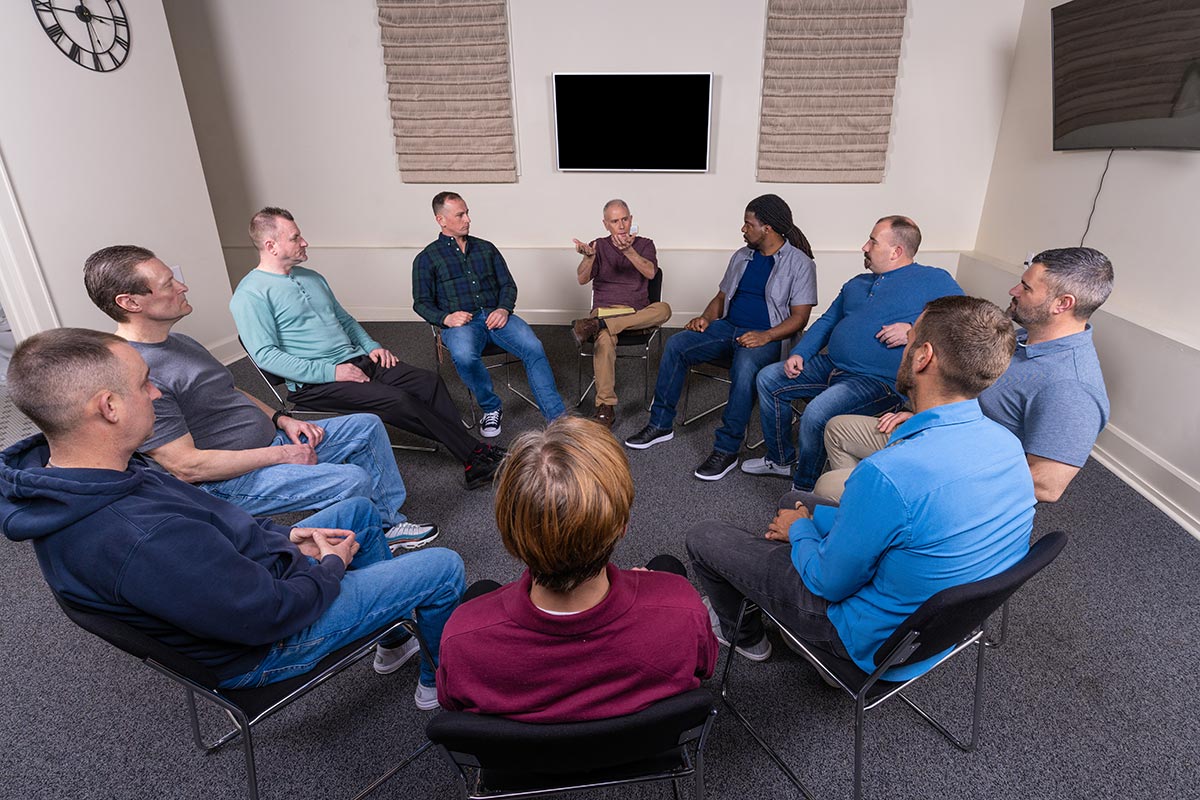
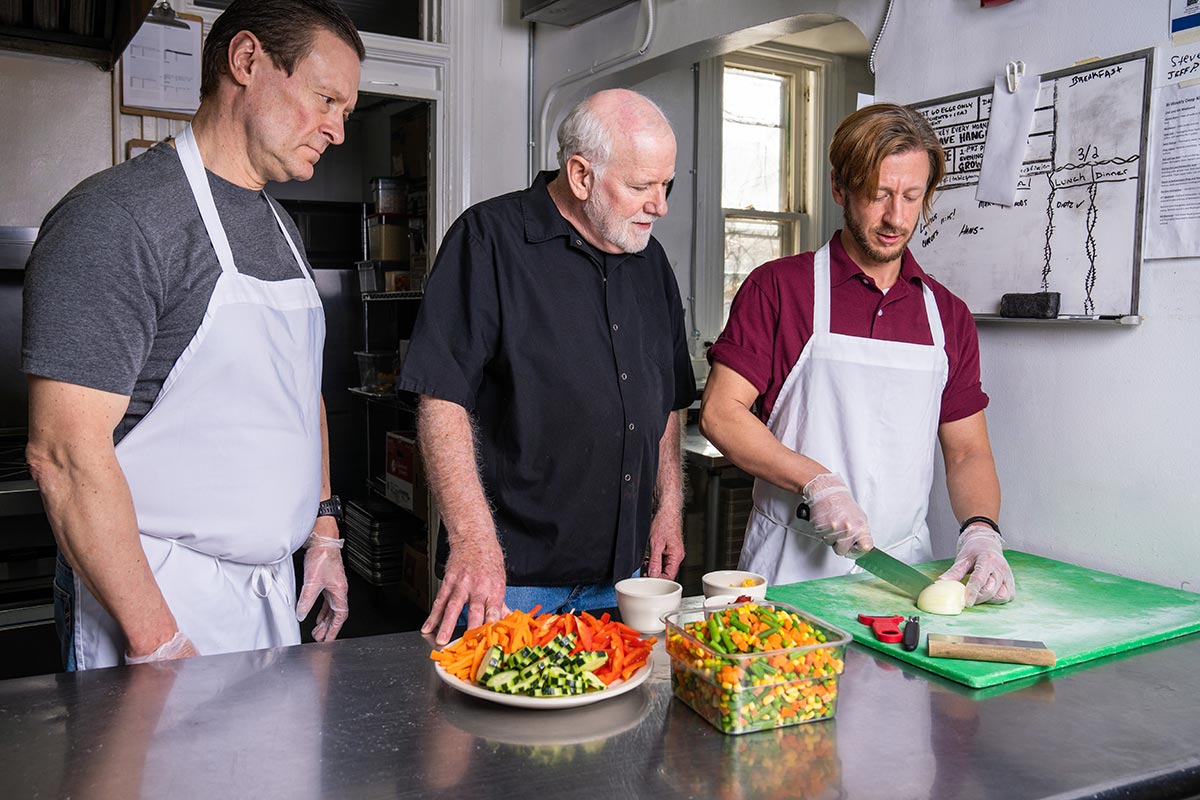
As the longest-standing long-term substance use disorder provider in Columbus, Ohio, House of Hope has been a cornerstone of the recovery community since 1959. This non-profit is dedicated to providing men with a structured path to sobriety through its 12-Step-based residential programs. Situated in residential houses, the center fosters a sense of brotherhood and community. With a capacity of 11-24 beds, it maintains an intimate atmosphere where men can build strong bonds. Accommodations are shared to encourage peer support, with private rooms available in the sober living phase. Beyond residential care, they offer coed outpatient services and a robust sober living program with employment assistance. By primarily working with Medicaid and offering grants, they are committed to making recovery accessible. Visit their website here.
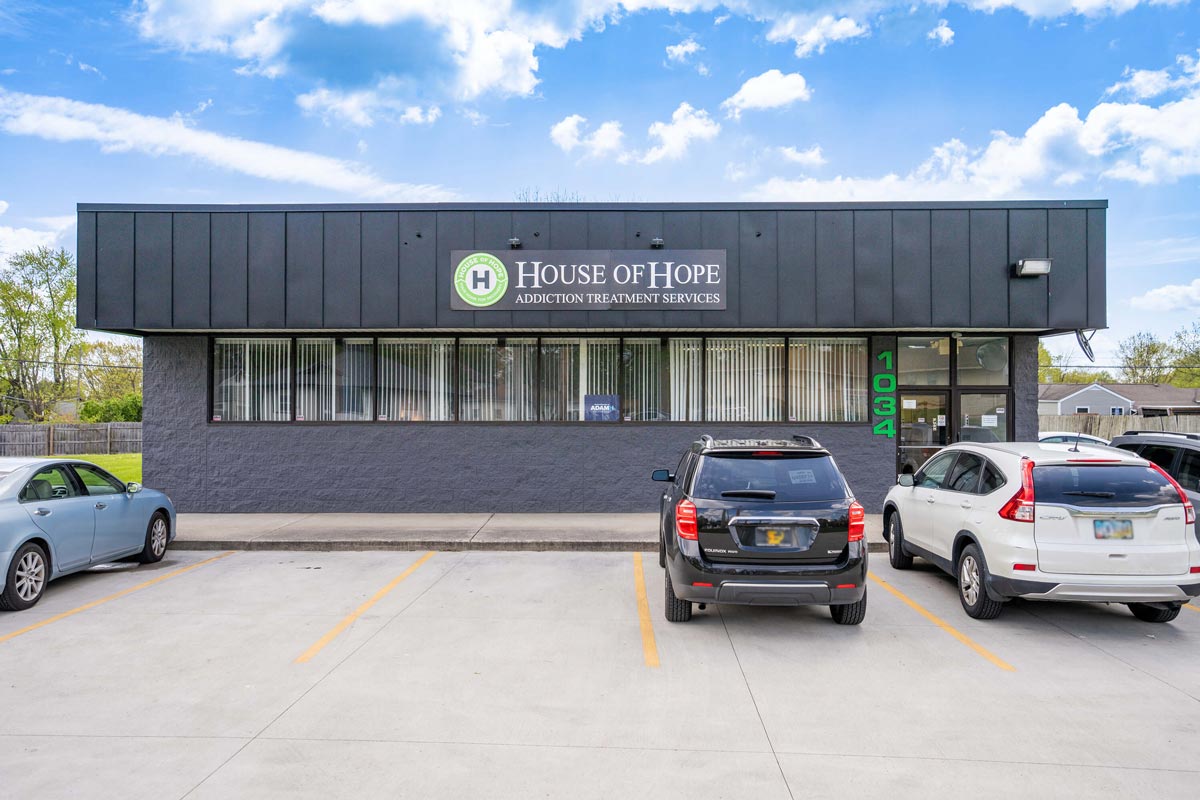
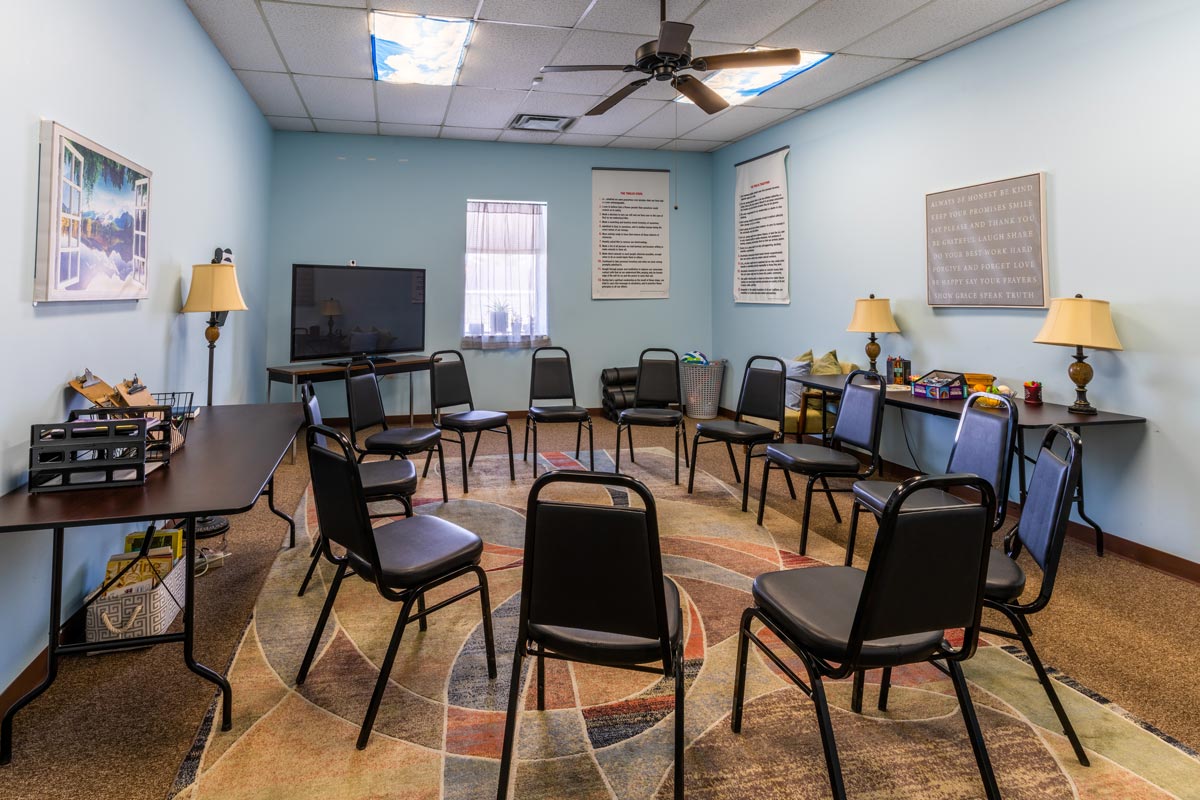
Facility
Video
Photos
Amenities & Details
Your First Step is a Conversation
Reaching out can feel overwhelming, but you're not alone. The admissions team is here to listen without judgment and help you understand your options.
- Your call is 100% confidential. Speak with House of Hope's admissions.
- There's no commitment to enroll. They're here to answer questions.
- Talk next steps clearly. Discuss costs and what treatment looks like.
Treatment
Levels of Care
Short-Term Residential
Foundational 12-Step immersion.
Long-Term Residential
Building a life in recovery.
Outpatient Services (Coed)
Flexible community support.
Sober Living (Men)
Independent living with accountability.
Approaches
Policies
Regimented Program
Highly structured program; off-site privileges earned over time.
MAT Policy
Vivitrol is permitted; Suboxone is not supported.
Smoking Allowed
Permitted in designated outdoor areas during breaks.
Electronics Policy
Personal phones locked away for the first 30 days.
Family Contact & Visits
On-site visits on Sundays; passes earnable after 30 days.
Prohibited Items
No weapons, unapproved meds, or outside food/drink.
Cost
Insurance & Financial Aid
House of Hope serves clients with Medicaid; helping individuals enroll. They don't accept other insurances but offer grants and scholarships, ensuring cost is not a barrier and providing self pay options available.
Call to Discuss OptionsSelf-Pay
While most clients use insurance or financial aid, self-pay options are available. Please contact their admissions team for a confidential conversation to explore all available financial arrangements.
Reviews

Based on 39 Google reviews
What Clients Appreciate
-
Life-Saving Program: Alumni credit the structure and strong 12-Step foundation for their success.
-
Caring Staff: Praised for being compassionate and dedicated to helping clients build a new life.
-
Strong Brotherhood: The sense of community is a major highlight for building a support network.
"House of Hope provided me the structure, knowledge, guidance, and community I needed to start my road to recovery. The staff are absolutely amazing and truly care for each resident... If you are serious about your sobriety, I highly recommend House of Hope."
"This place saved my life. Showed me how to live again. They taught me how to grow up and take responsibility for my actions. The brotherhood I found there is amazing and I will have those guys for the rest of my life."
Online reviews for House of Hope are overwhelmingly positive, with virtually no significant negative themes. The structured, 12-Step focused environment is consistently celebrated by those who are serious about recovery.
Tip: The program's success is deeply connected to a client's willingness to embrace the 12-step model and the strong sense of community and accountability.
Location
Address
House of Hope825 Dennison Ave
Columbus, OH 43215, USA
Hours
Admissions: Mon-Fri, 8am - 5pm
Residential programs operate 24/7.
Frequently Asked Questions
Program & Treatment
Why choose us? What makes it different than other addiction treatment centers?
House of Hope is the longest-standing long-term SUD provider in Columbus, OH. Our non-profit mission, deep roots in the 12-Step community, and focus on practical life skills like employment set us apart.
What substance use disorder treatment programs do you offer?
We offer a full continuum of care for men including Short-Term Residential, Long-Term Residential Treatment, and Sober Living. We also provide coed Outpatient Services.
Does this program use the 12-steps, or not use the 12-steps? Smart recovery? Celebrate recovery?
Yes, we are heavily rooted in the 12-Steps of Alcoholics Anonymous. Clients are expected to get a sponsor, attend meetings regularly, and work through the steps as a core component of their recovery program.
What types of therapies do you use in your addiction treatment programs?
We use a combination of evidence-based and practical therapies, including Cognitive Behavioral Therapy (CBT), individual, group, and family counseling, wellness programs, and financial literacy counseling, all integrated with 12-Step principles.
How do you treat dual diagnosis?
While not our primary specialty, our therapeutic services, including individual and group counseling, address mental health alongside addiction through an integrated approach, supported by intense 12-Step work.
Do you treat co-occurring mental disorders?
Yes, we address co-occurring mental health conditions as part of our comprehensive substance use disorder treatment through therapy and counseling, though our primary focus remains on addiction and 12-Step recovery.
Is the program faith-based?
No, our program is not based in any specific religion. While the 12-Steps are spiritual in nature and refer to a "Higher Power," it is open to individuals of all beliefs and backgrounds.
How long has this facility been open?
House of Hope was founded in 1959, making us the longest-operating long-term addiction treatment provider in Columbus.
Cost & Admission
What will my costs be for treatment?
As a non-profit, our goal is to make treatment accessible. Most costs are covered by Medicaid. We also work to get you on Medicaid, and utilize grants and scholarships. We are committed to working with you to ensure money is not a barrier to recovery.
Do you accept insurance for substance use disorder treatment?
Yes, we are primarily a Medicaid facility. We do not work with other major insurance providers. Please call our admissions team to discuss your specific plan and financial options.
Do you provide detoxification services?
No, we do not offer on-site medical detox. Clients must complete detox prior to admission to our residential programs. We can provide referrals to trusted detox facilities.
Is Suboxone (MAT) permitted?
No, Suboxone and other forms of Medication-Assisted Treatment are not permitted in our program. However, we do allow the use of Vivitrol (naltrexone injection).
Daily Life & Rules
How long will I be there?
The length of stay depends on the program. Our Short-Term Residential program is 45 days, while our Long-Term Residential program can last from 6 to 12 months, based on individual needs and progress.
What is the living situation like? Can I get my own room?
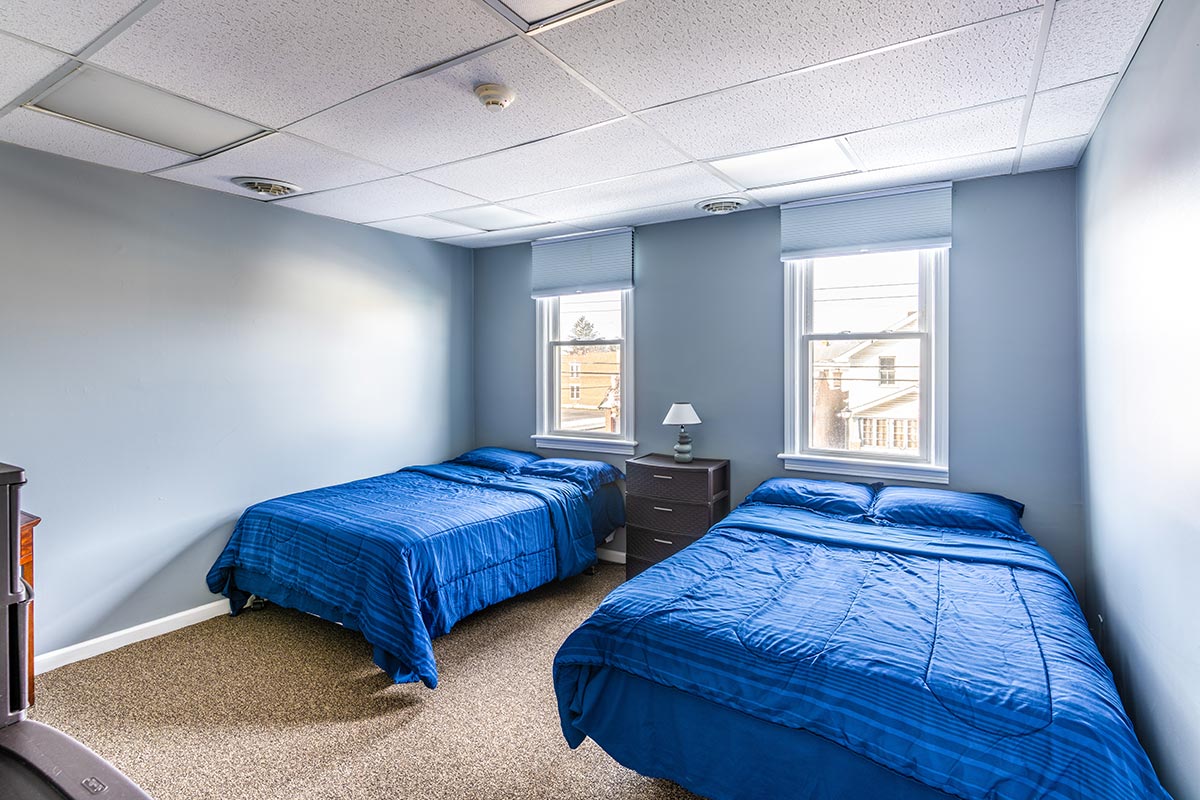
You will live in a residential house with peers. In the residential programs, rooms are shared to foster community. For clients who transition to our sober living homes, private rooms are available, which is a rare benefit.
What is the layout of the campus?
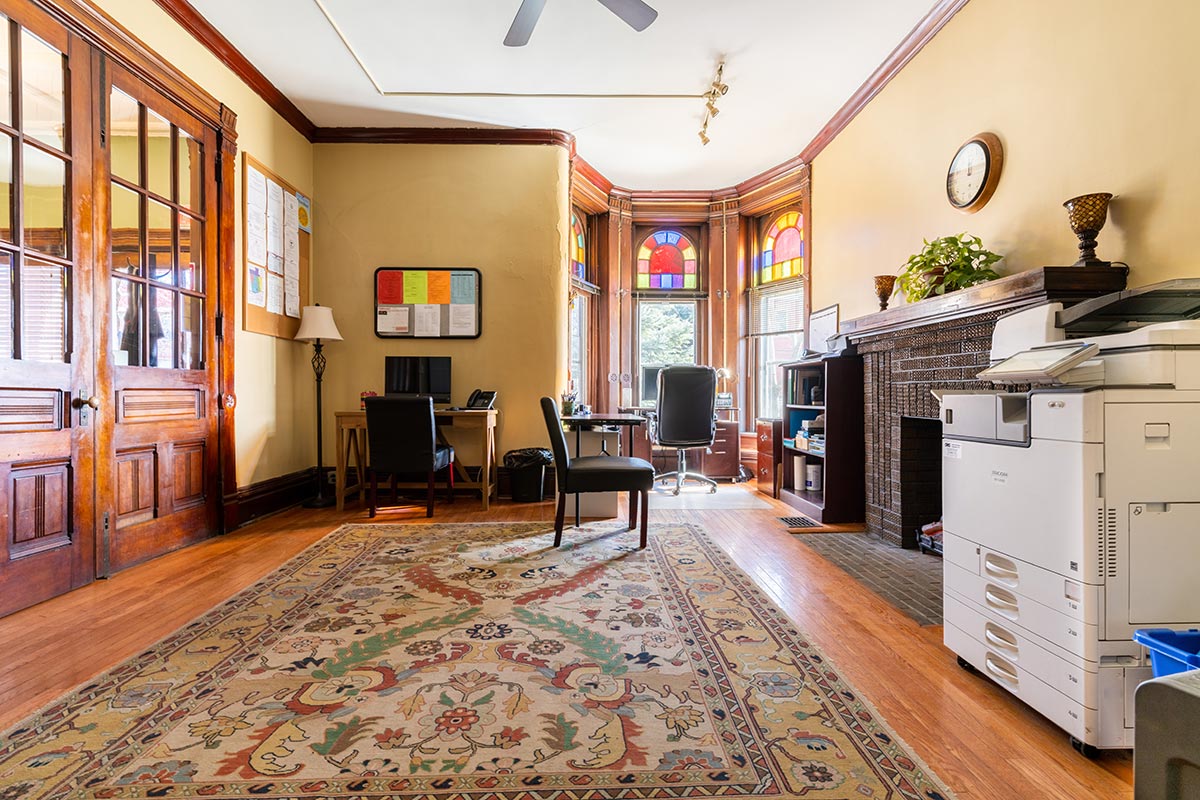
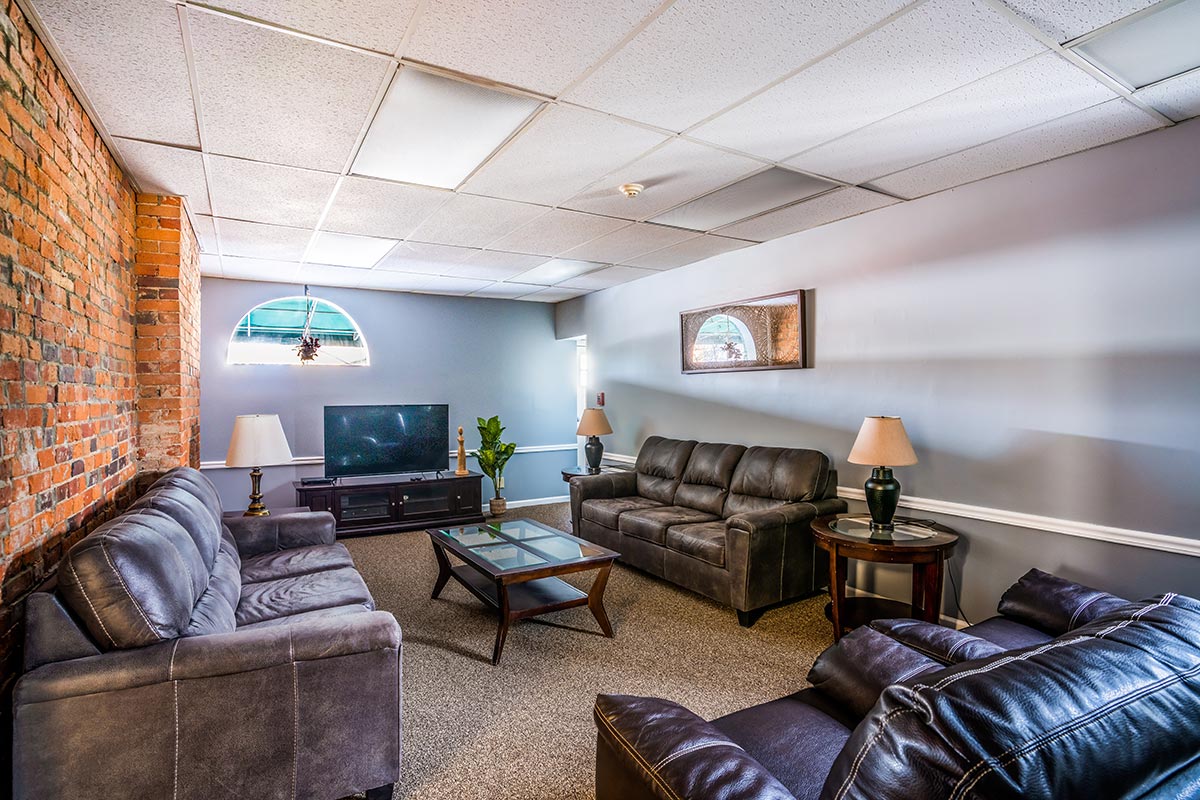
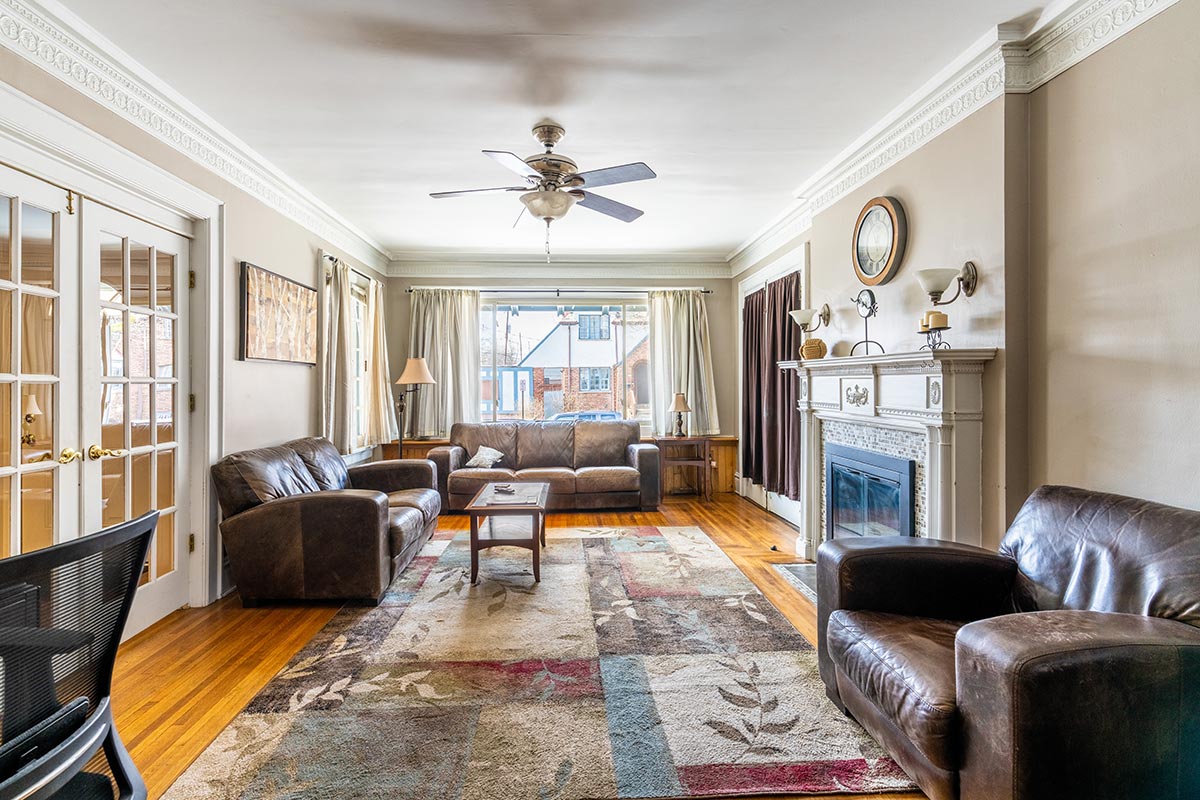
Our campus consists of several residential houses, creating a comfortable, home-like, and community-oriented environment rather than a clinical or institutional setting.
Is this a closed/locked facility?
No, we are not a locked facility. However, the program is highly structured and regimented. While clients in the short-term program have limited outside movement, those in the long-term program earn privileges for off-site activities and passes.
Can I use my phone or laptop? Is there WiFi?
To help you fully immerse yourself in the recovery process, personal cell phones and electronics are locked up and not permitted for the first 30 days of the program.
Is smoking/vaping allowed?
Yes, clients are permitted to smoke or vape in designated outdoor areas during scheduled breaks and free time.
What should I bring with me?
When preparing for rehab, you should pack for comfort, simplicity, and focus. Bring about a week's worth of comfortable, modest clothing suitable for various activities like therapy sessions, light exercise, and relaxation—think layers, as temperatures can vary. You will also need new, unopened, and alcohol-free personal toiletries such as a toothbrush, toothpaste, shampoo, and soap. It's also wise to bring a government-issued ID, your insurance card, a list of important phone numbers, and a small amount of cash for vending machines. Lastly, pack a few personal items that support your recovery, such as a journal, recovery-related books, or photos of loved ones, to help you stay grounded and motivated.
What should I leave at home?
It is equally important to know what to leave at home to ensure a safe and distraction-free environment for yourself and others. First and foremost, do not bring any drugs, alcohol, or unapproved medications. Leave all electronics behind, including cell phones, laptops, tablets, and smartwatches, as these can distract from the therapeutic process. Valuables such as expensive jewelry or large sums of money should also be left for safekeeping. Additionally, most facilities prohibit weapons of any kind, products containing alcohol (like mouthwash or perfume), aerosol cans, and outside food or drinks. It's best to also avoid bringing revealing clothing or items with logos or messaging related to drugs or alcohol.
What is the difference between inpatient and outpatient addiction treatment?
Inpatient and outpatient addiction treatment represent different levels of care, with sober living serving as a transitional stage, all of which can be deeply integrated with the principles of Alcoholics Anonymous (AA). Inpatient or residential treatment is the most intensive, requiring you to live at a facility 24/7, removing you from external triggers to focus solely on recovery. A typical inpatient program involves a highly structured day filled with individual and group therapy, educational workshops on addiction, and holistic activities, all within a supportive, controlled environment. AA integration is fundamental here, often mandating daily 12-Step meetings and incorporating the foundational steps into the therapeutic process. In contrast, outpatient treatment offers more flexibility, allowing you to live at home and maintain daily responsibilities like work or school while attending scheduled therapy sessions several times a week. This program focuses on applying recovery skills in a real-world context, and its AA emphasis is demonstrated by requiring clients to attend community AA meetings, find a sponsor, and actively build a support network outside the clinic. Finally, sober living, or a recovery residence, acts as a bridge between intensive treatment and returning to full independence. It is not a formal treatment program but a substance-free, peer-supported home where residents must follow strict rules, such as curfews and mandatory drug tests, while working or going to school. The AA integration in sober living is paramount, as residents are almost always required to attend numerous meetings per week, work the 12 Steps with a sponsor, and practice the principles of fellowship and accountability with their housemates, making it a critical step for reinforcing long-term recovery.
Support, Staff & Community
Who provides care here? Treatment team? Staff?
Care is provided by a dedicated team of licensed counselors and support staff. While a supervising physician oversees medical care, clients will primarily interact with a Nurse Practitioner for medication management needs during their stay.
Are there psychiatrists and psychologists on staff?
No, we do not have psychiatrists or psychologists on staff. Our clinical team consists of licensed counselors and therapists, with medical oversight from a Nurse Practitioner and a supervising physician.
Who else will be in treatment with me at your facility? What is their occupancy?
You will be in treatment with other adult men who are serious about their recovery. Our clientele is diverse but often utilizes Medicaid. We maintain a small, focused community with a maximum of 11 men in the short-term program and 24 in the long-term program.
Are family visits allowed?
Yes, family involvement is encouraged. Family visits are permitted on Sundays. After successfully completing the first 30 days of the program, clients may also earn weekend passes to visit with family.
What family involvement is included in the treatment process?
We offer family counseling sessions to help repair relationships and educate loved ones on addiction and recovery. In addition to weekly visits, we encourage family participation as a vital part of the healing process.
What types of support and aftercare are available once treatment ends?
We provide a strong continuum of aftercare, including step-down to our coed outpatient program and men's sober living. A key part of our long-term support is employment assistance, helping clients find stable jobs.
Is there any follow-up after discharge?
Yes. Our aftercare programs, such as outpatient services and sober living, serve as our primary follow-up. We also provide robust support for employment, helping men find jobs paying an average of $17/hr, even with felony records, to ensure a stable transition.
Ready to Take the Next Step?
Their team is available to answer your questions confidentially.
Call NowAccreditation & Support
CARF Accredited
Commission on Accreditation of Rehabilitation Facilities
State Licensed (OH)
Licensed by the Ohio Department of Mental Health
LegitScript Certified
Verified Healthcare Provider