
Overview
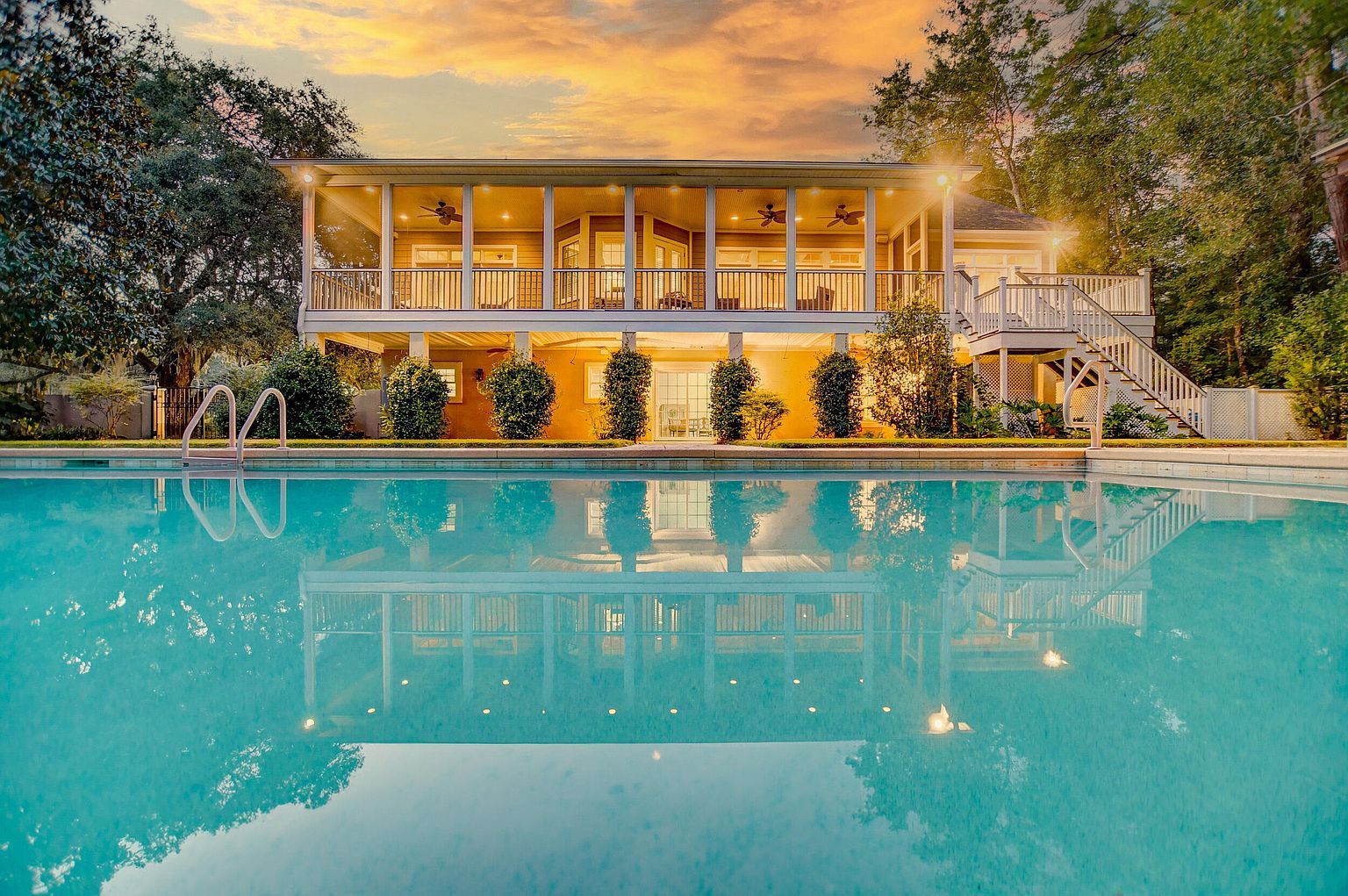
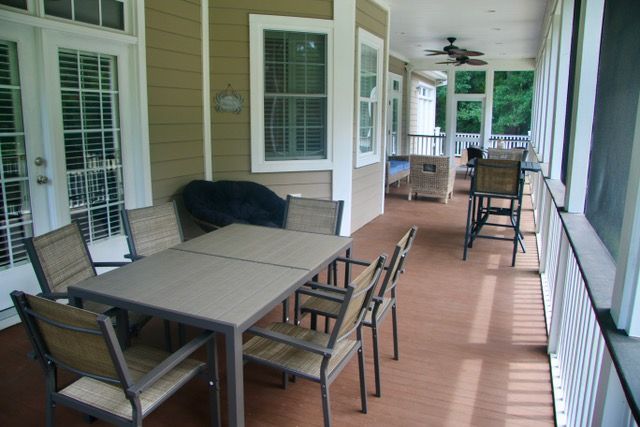
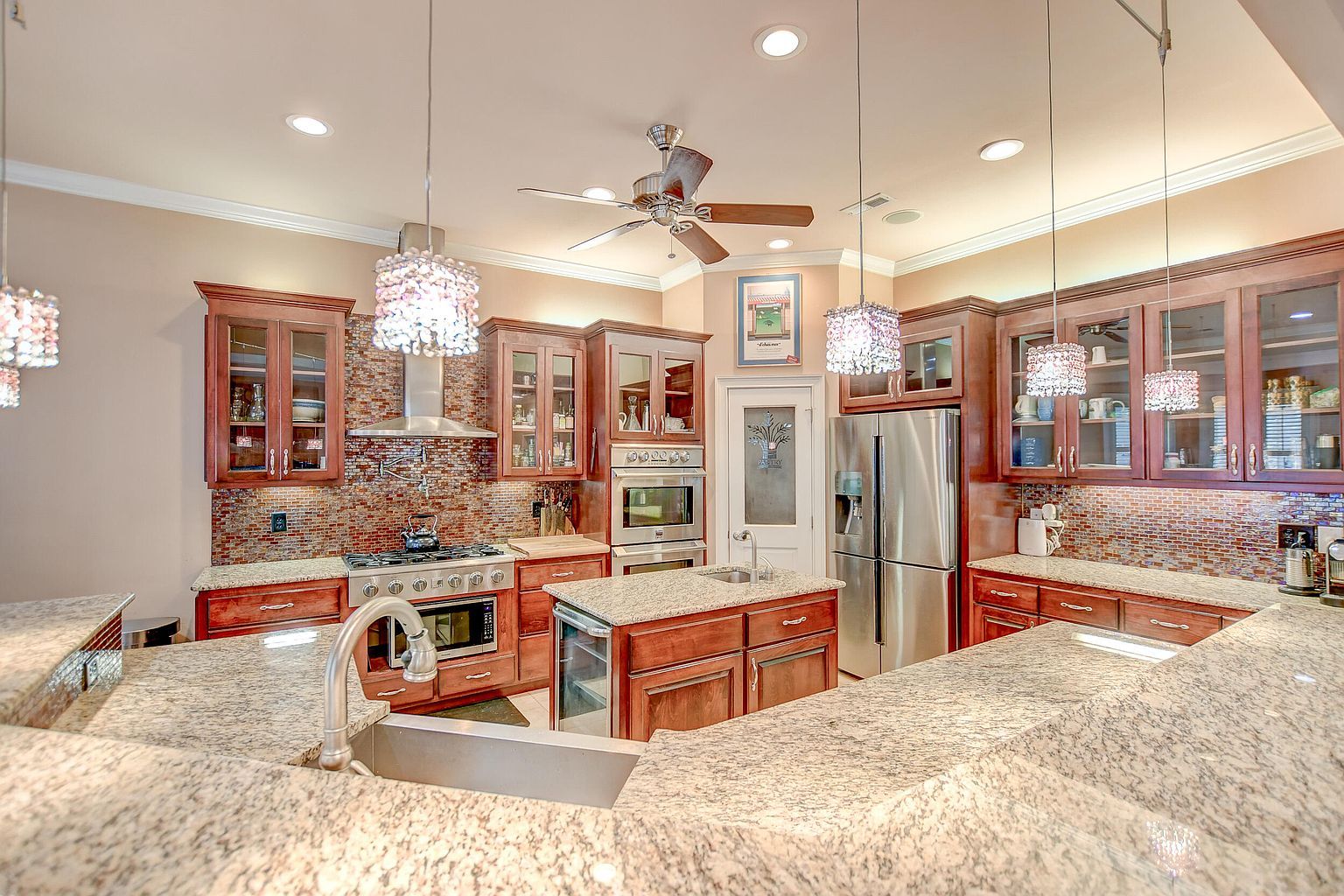
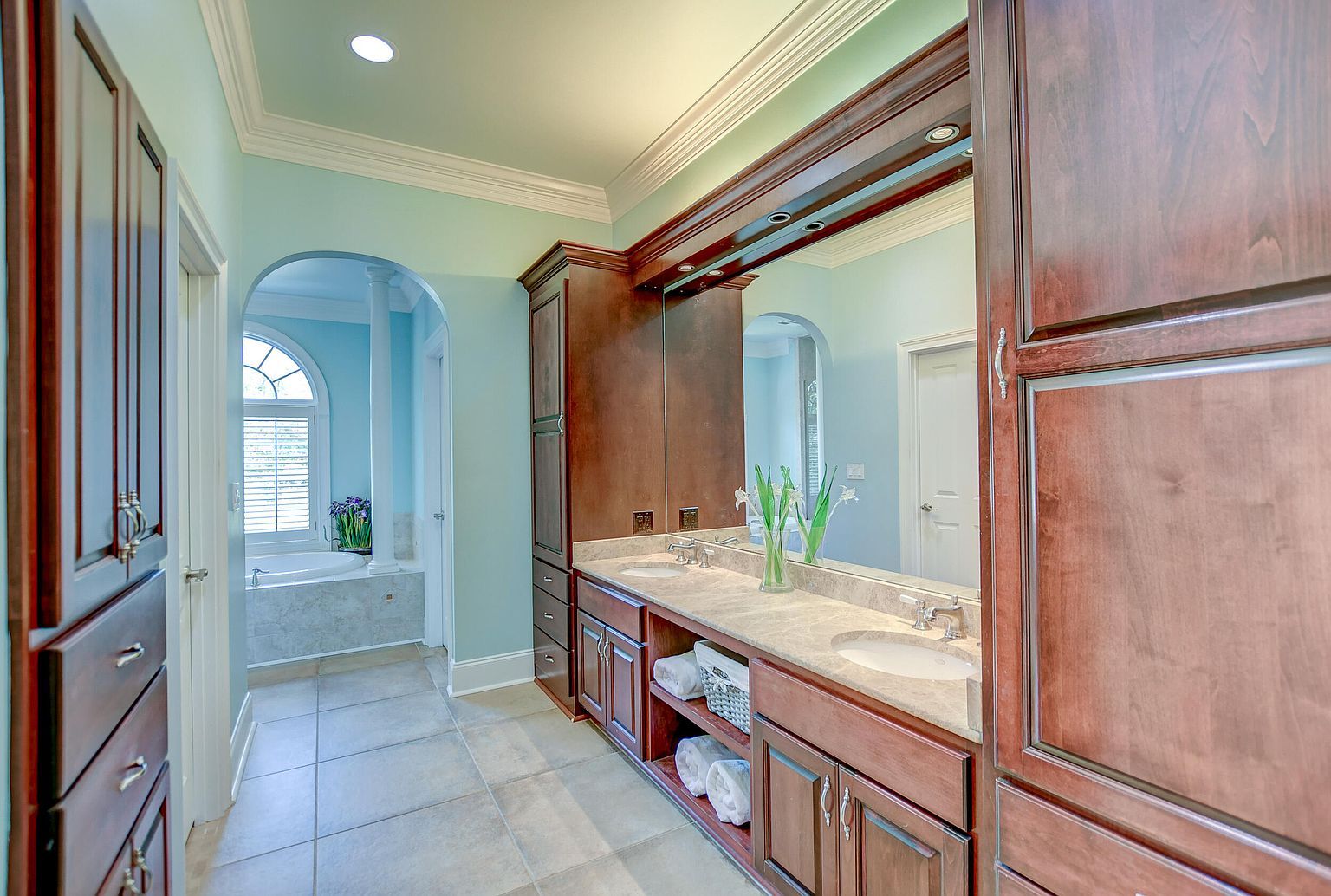
Charleston Recovery Center is a non-profit, long-term residential program dedicated to helping adult men and women find lasting freedom from addiction. Housed in a large, comfortable home in a suburban Charleston neighborhood, the center fosters a close-knit, family-like atmosphere with a capacity for 40 residents. The program is an affordable, immersive experience rooted in the 12 Steps, often described as a "12-Step boot camp," requiring a 90-day minimum commitment. Residents live in gender-specific quarters within a structured, supportive community, engaging in intensive Big Book studies and building a strong foundation for recovery through sponsorship and peer accountability. Charleston Recovery Center offers a powerful, non-clinical path to a new way of life. Visit their website here.
Facility
Video
Photos

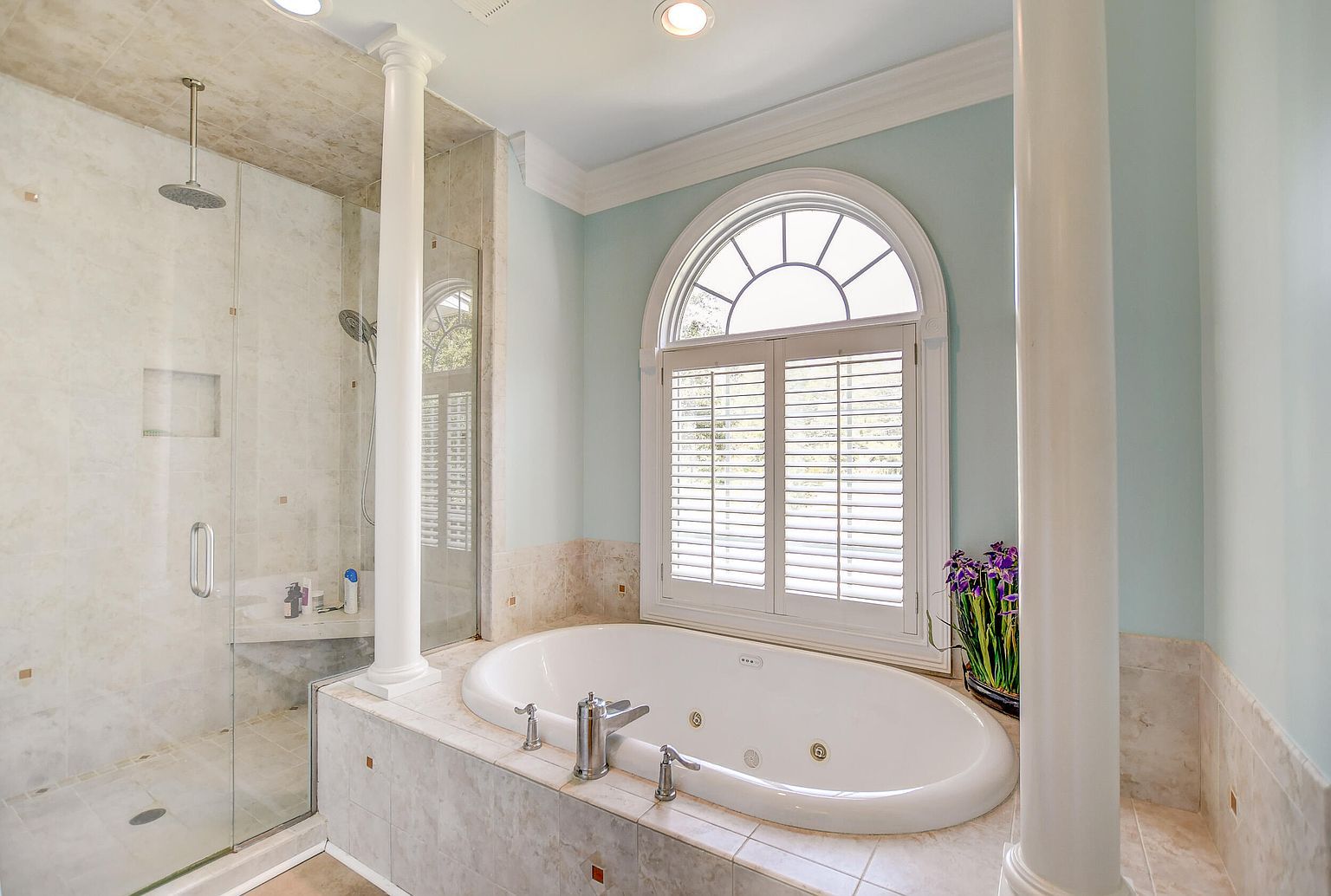
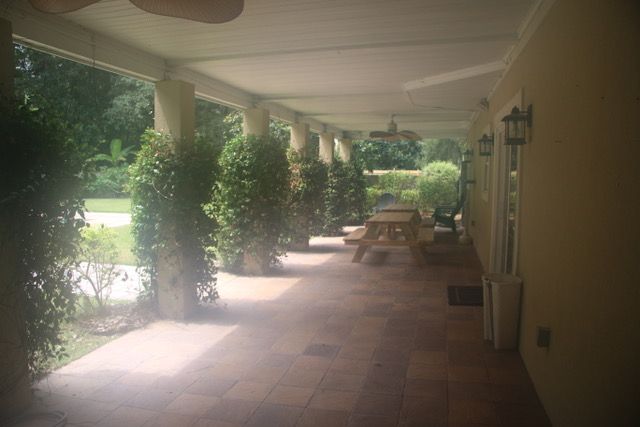
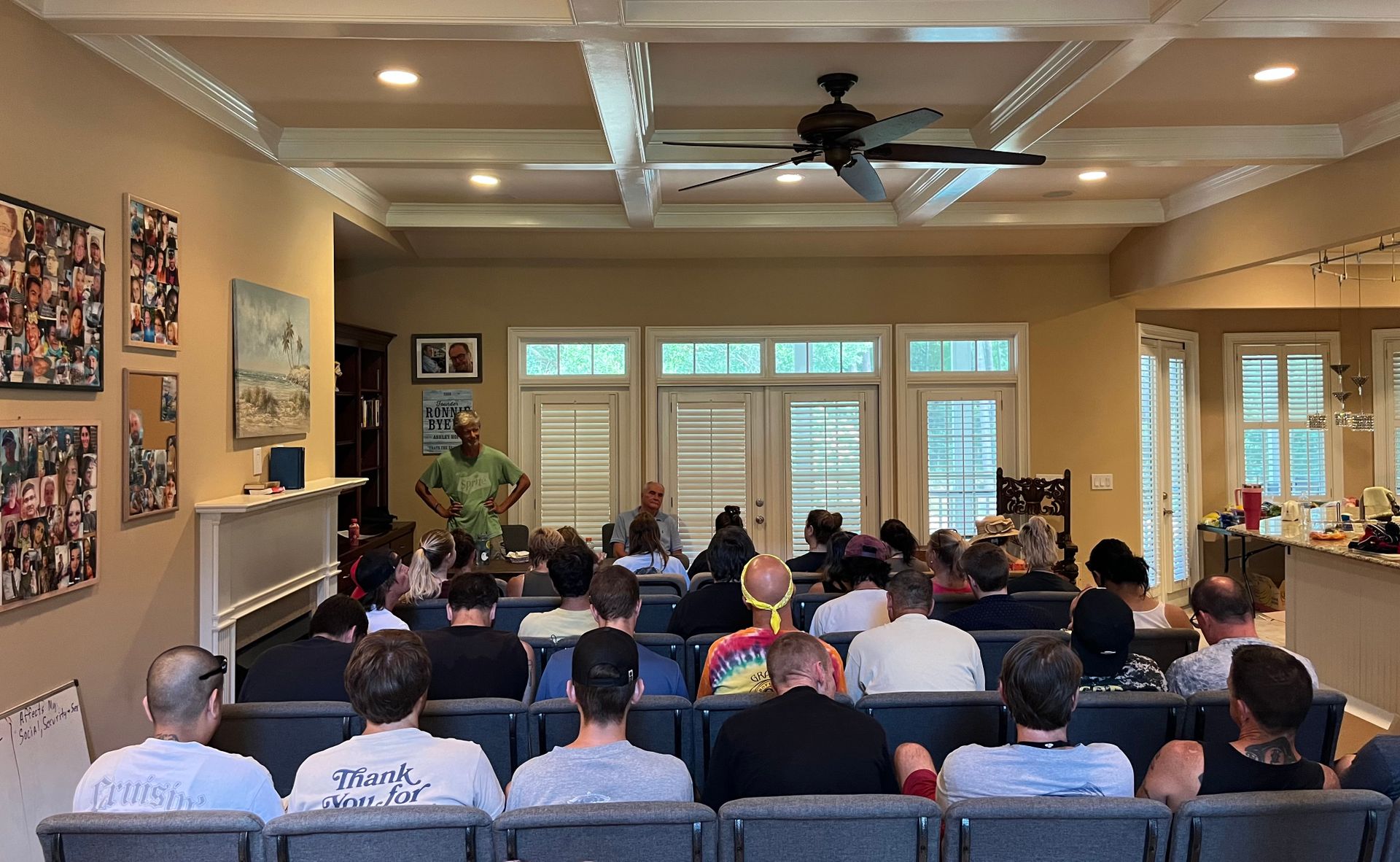
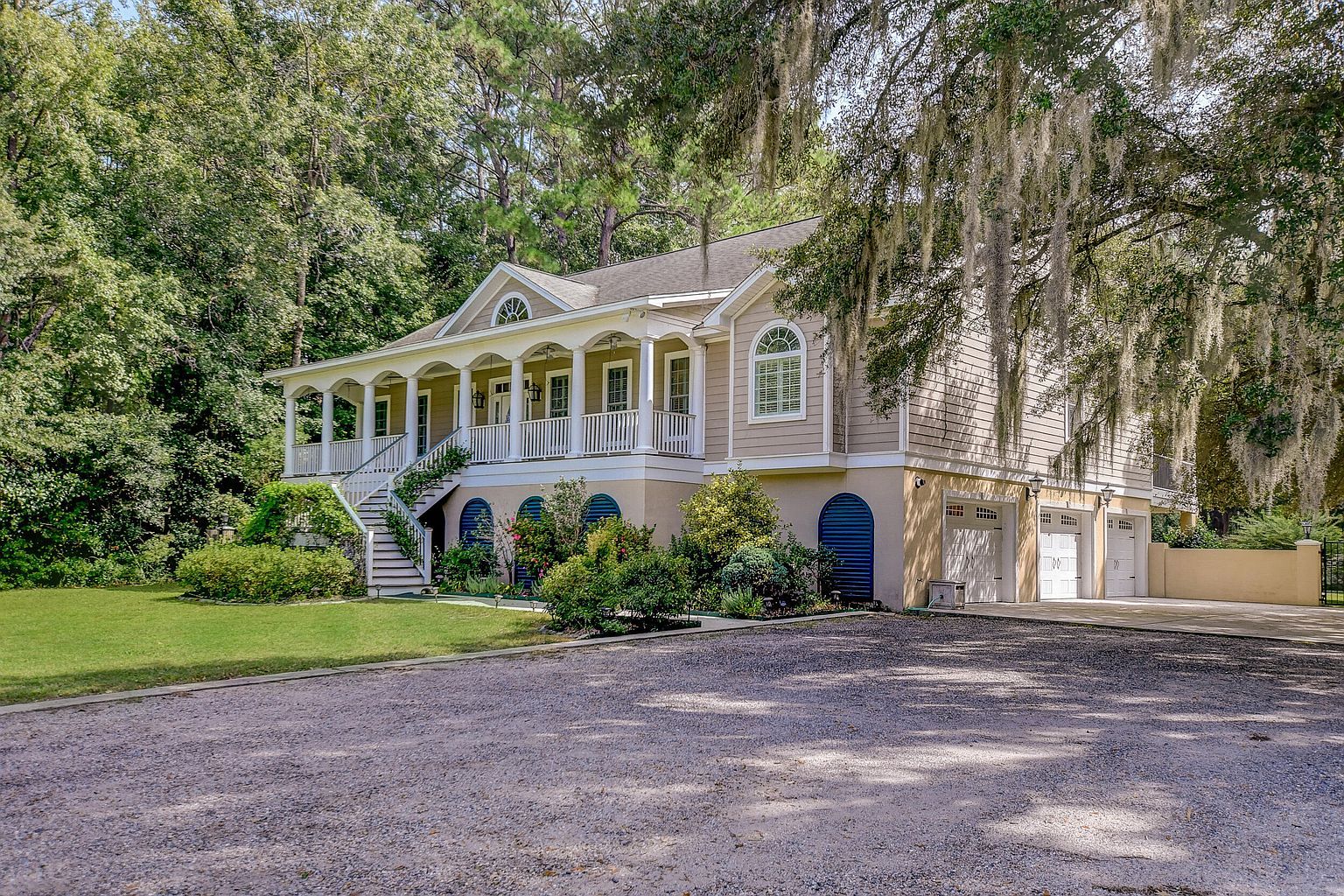


Amenities & Details
Your First Step is a Conversation
Reaching out can feel overwhelming, but you're not alone. The admissions team is here to listen without judgment and help you understand your options.
- Your call is 100% confidential. Speak with Charleston Recovery Center's admissions.
- There's no commitment to enroll. They're here to answer questions.
- Talk next steps clearly. Discuss costs and what treatment looks like.
Treatment
Levels of Care
Long-Term Residential
Immersive 12-Step "Boot Camp".
Sober Living Community
Supportive reintegration into society.
Approaches
Policies
Open Campus
A voluntary, unlocked facility where residents can be outdoors on property.
No MAT Policy
Abstinence-based. Suboxone or methadone are not permitted.
Smoking/Vaping Allowed
Permitted in designated outdoor areas during specified break times.
Electronics Policy
Personal cell phones locked away. Landline use after 5 days.
Family Contact & Visits
Family visits are welcomed and encouraged on weekends.
Prohibited Items
Drugs, alcohol, weapons, and non-approved items are forbidden.
Cost
Payment Structure
Charleston Recovery Center is a non-profit, self-pay only facility. They do not accept insurance, which allows them to offer care at a lower cost.
Enquire About CostsSelf-Pay
Please call to confirm exact pricing. Costs include:
- Residential (90 Days): $9,000
- Sober Living (Post-90 Days): Standard Monthly Rent
Reviews

Based on 79 Google reviews
What Clients Appreciate
-
Life-Saving Program: Reviewers frequently state the program saved their life, crediting the dedicated staff and immersive 12-Step curriculum.
-
Supportive Community: The structured, accountable, and "family-like" atmosphere is consistently praised as essential for recovery.
-
Genuine Staff: Many highlight the genuine care from staff, many of whom are in recovery themselves, and the lasting bonds formed with peers.
"Charleston Recovery changed my life. They teach you how to live a new way of life and give you all the tools and resources you need to be successful after you leave. I am forever grateful for the staff and my brothers I met there. If you're struggling with addiction and really want help, this is the place to be."
"CRC gave me a foundation that I desperately needed. The structure and accountability were exactly what I needed to learn how to live a sober life. The staff GENUINELY cares about you. I can confidently say I wouldn't be alive today without CRC. Forever grateful for this place and the people in it!"
While reviews are overwhelmingly positive, the few critical comments mention the program's strictness and rigid structure, which may not be a good fit for everyone. Some reviews note that the non-clinical, 12-Step-only approach is not suitable for those with significant dual-diagnosis or mental health needs requiring clinical therapy.
Location
Address
Charleston Recovery Center2578 Ashley River Rd Unit G
Charleston, SC 29414
Hours
Hours: Available 9am-6pm for inquiries.
Residential programs operate 24/7.
Frequently Asked Questions
Program & Treatment
Why choose us? What makes it different than other addiction treatment centers?
Charleston Recovery Center stands out due to its long-term treatment model (90-360 days), its affordable cost as a 501(c)(3) non-profit, and its intensive focus on the 12 Steps as a practical guide to a new life, all within a compassionate and supportive home-like environment.
What substance use disorder treatment programs do you offer?
We offer a long-term residential treatment program and a sober living community. Our approach is non-clinical, focusing on peer support and intensive work with the 12 Steps, Big Book, and sponsorship.
How do you treat dual diagnosis / co-occurring disorders?
Our program is non-clinical and does not treat co-occurring mental health disorders. We focus solely on addiction recovery through the 12-Step model. We can refer individuals to outside professionals for mental health needs.
What types of therapies do you use in your addiction treatment programs?
Our model is not based on traditional clinical therapies like CBT or DBT. Our 'therapy' is the intensive application of the 12 Steps, Big Book study, sponsorship, and a strong peer-support community.
Does this program use the 12-Steps?
Yes, the 12 Steps are the foundation and core of our entire program. It is an immersive "12-Step boot camp" experience.
Is the program faith-based?
No, our program is not based on a specific religion. It is a spiritual program based on the 12 Steps, which encourage a belief in a Higher Power as each individual understands it.
How long has this facility been open?
Charleston Recovery Center was founded and has been helping people recover since 2008.
What is the difference between inpatient and outpatient addiction treatment?
Inpatient addiction treatment, like what Charleston Recovery Center offers, involves living full-time at a residential facility where you receive 24/7 support, structure, and immersion in recovery work, completely removed from the triggers and environments that contributed to substance use. This intensive approach is ideal for those with severe addictions, co-occurring issues, or unstable home environments, as it provides constant accountability and a focused healing space. In contrast, outpatient treatment allows individuals to live at home while attending scheduled therapy sessions, group meetings, or counseling appointments several times per week, making it suitable for those with milder addictions, strong support systems, or work and family obligations they cannot leave. At Charleston Recovery Center specifically, residents engage in a 12-step intensive program for 90-360 days with activities like AA meetings, step work, and devotions, followed by the option to transition into their sober living homes where they can continue recovery while working or attending college. This extended residential model emphasizes peer support, spiritual growth, and teaching others how to recover, rather than a clinical or medical treatment approach, making it distinct from traditional medical detox or therapy-based programs.
Cost & Admission
What will my costs be for treatment?
The cost for the initial 90-day residential program is $9,000. After completing the 90 days, residents can transition to sober living and pay a monthly rent.
Do you accept insurance for substance use disorder treatment?
No, we are a self-pay only facility. We do not accept private insurance or Medicaid, which allows us to keep our costs significantly lower than most treatment centers.
Do you provide detoxification services?
No, we do not have an on-site medical detox. Clients must complete detoxification before they are admitted. We can provide transportation to outside doctors for medical needs, which the client would pay for separately.
Is Suboxone (MAT) permitted?
No, Medication-Assisted Treatment (MAT) like Suboxone or methadone is not allowed. Our program is abstinence-based. We can help you arrange to taper off these medications before you begin our program.
Daily Life, Rules & Family
How long will I be there?
The initial residential program has a minimum commitment of 90 days. After that, residents can choose to continue in our sober living community for up to a year or longer.
What is the living situation like? Can I get my own room?
The facility is a large, comfortable home. All rooms and bathrooms are shared. Private rooms are not available, as having a roommate is an important part of our peer-accountability and community-based model.
Is this a closed/locked facility?
No, it is an open, voluntary program, not a locked facility. However, residents are required to stay on the property unless on an approved, staff-supervised outing. Residents can go outside for smoke breaks and recreation.
Can I use my phone or laptop? Is smoking allowed?
Yes, smoking and vaping are permitted in designated outdoor areas. Personal cell phones and laptops are locked away to minimize distractions. Starting on day five, residents can use a landline phone for 20 minutes per day.
What should I bring with me?
You should bring comfortable clothing, personal toiletries (alcohol-free), any prescribed medications in their original bottles, your ID, and a small amount of personal money. It's also a good idea to bring books, a journal, and contact info for family.
What should I leave at home?
Please leave all drugs, alcohol, weapons, valuable jewelry, and electronics at home. Also avoid bringing products containing alcohol (like some mouthwashes), revealing clothing, or any non-prescribed medications.
What is the layout of the campus?
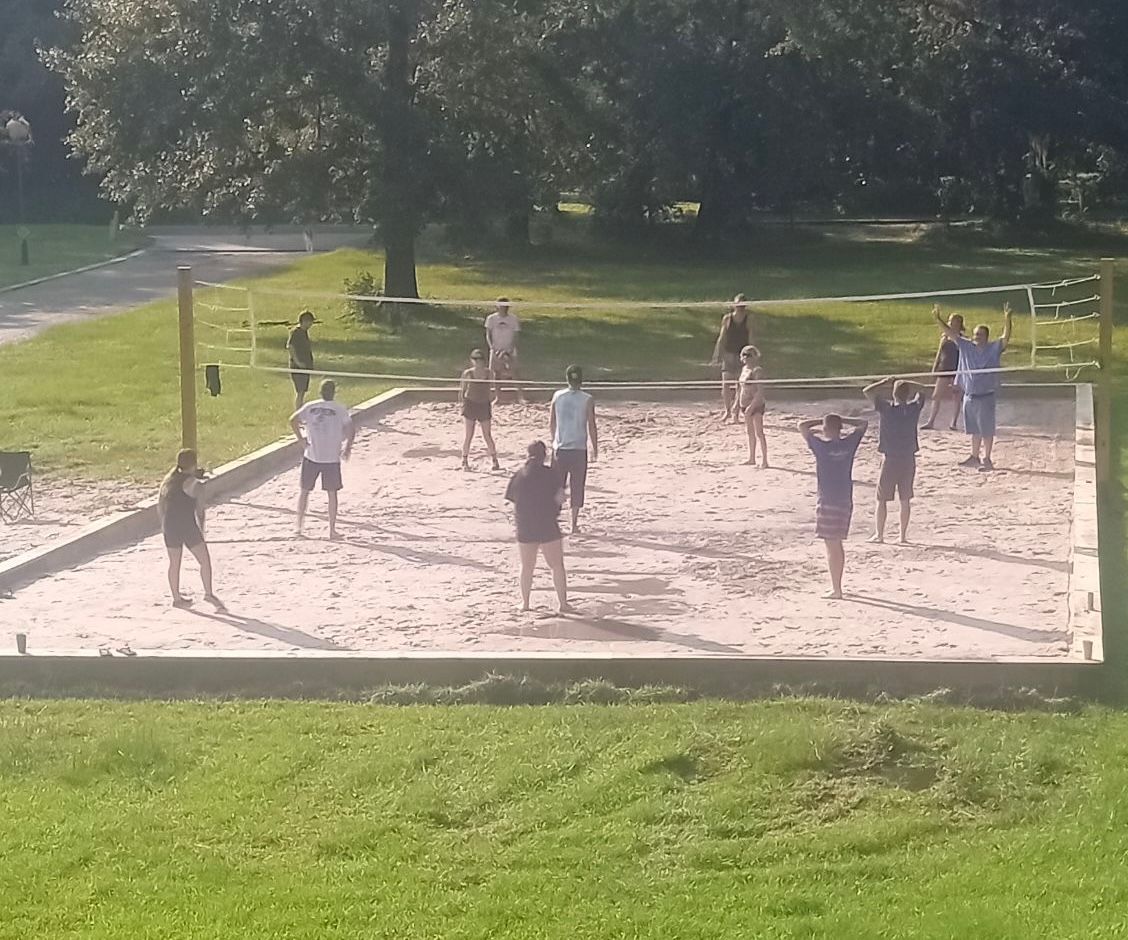
The facility is a single, large home in a suburban neighborhood, complete with a backyard, pool, and volleyball court, creating a close-knit community atmosphere.
Who provides care here? Are there psychiatrists on staff?
Care is provided by a dedicated team of staff, many of whom are in recovery themselves. There are no on-site doctors, psychiatrists, or clinical therapists; our model is based on peer support and 12-Step guidance.
Who else will be in treatment with me at your facility?
The program is for adult men and women (18+) from various backgrounds who are committed to recovery. With a 40-bed capacity, you will be part of a diverse, self-pay community, as we do not accept state-funded or Medicaid clients.
What is the family involvement and visitation policy?
Family involvement is important. We have a Family Program and encourage visits on weekends. After completing three months, residents may earn two off-site visits per month with family.
What kind of aftercare and follow-up support is available?
We offer a strong aftercare plan, which includes transitioning to our sober living community. We also have a very active alumni network that provides ongoing support, fellowship, and connection long after residents leave.
Ready to Take the Next Step?
Their team is available to answer your questions confidentially.
Call NowAccreditation & Support
BBB A+ Rating
Accredited by the Better Business Bureau
501(c)(3) Non-Profit
A registered non-profit organization