
Overview
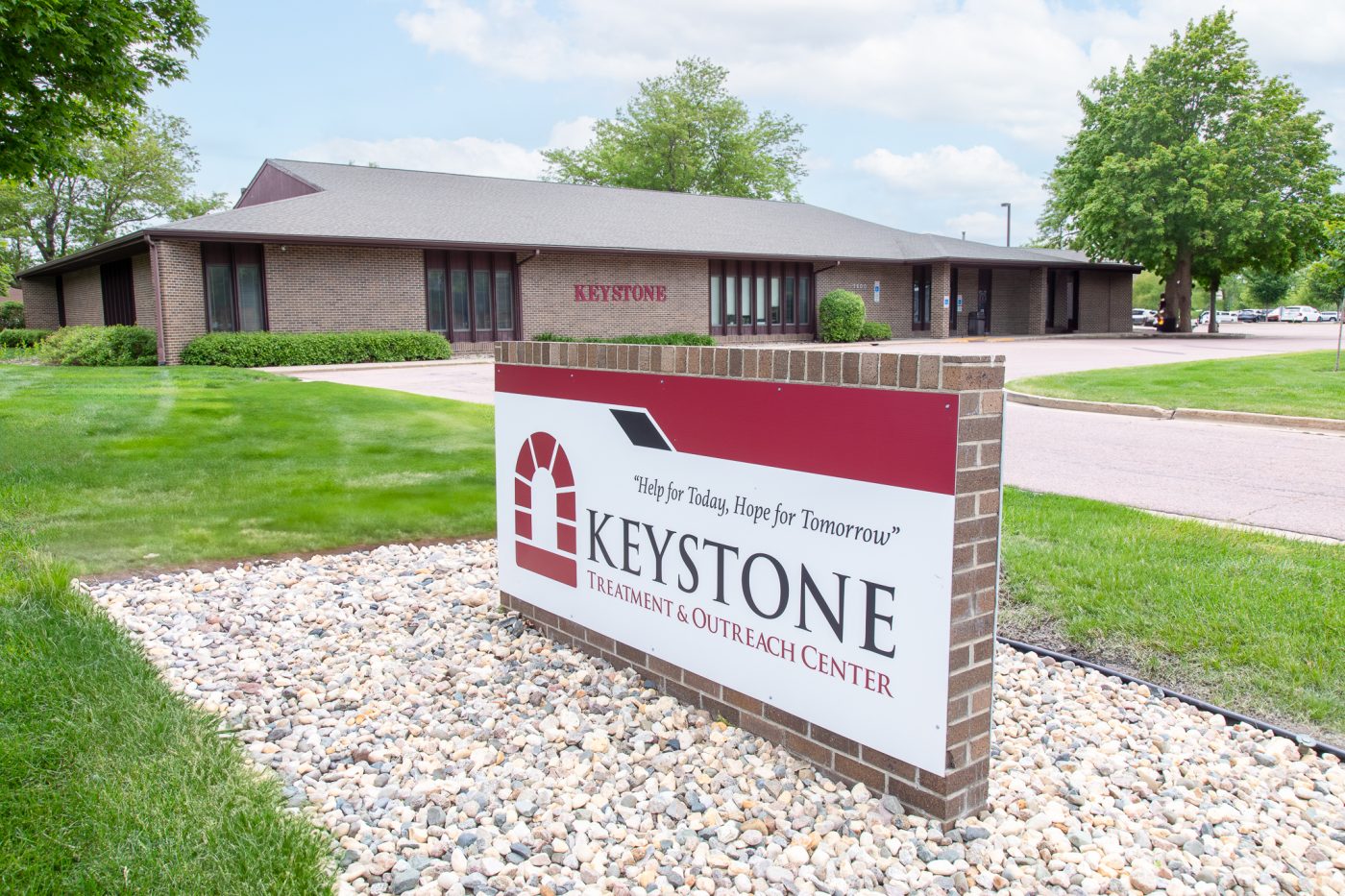
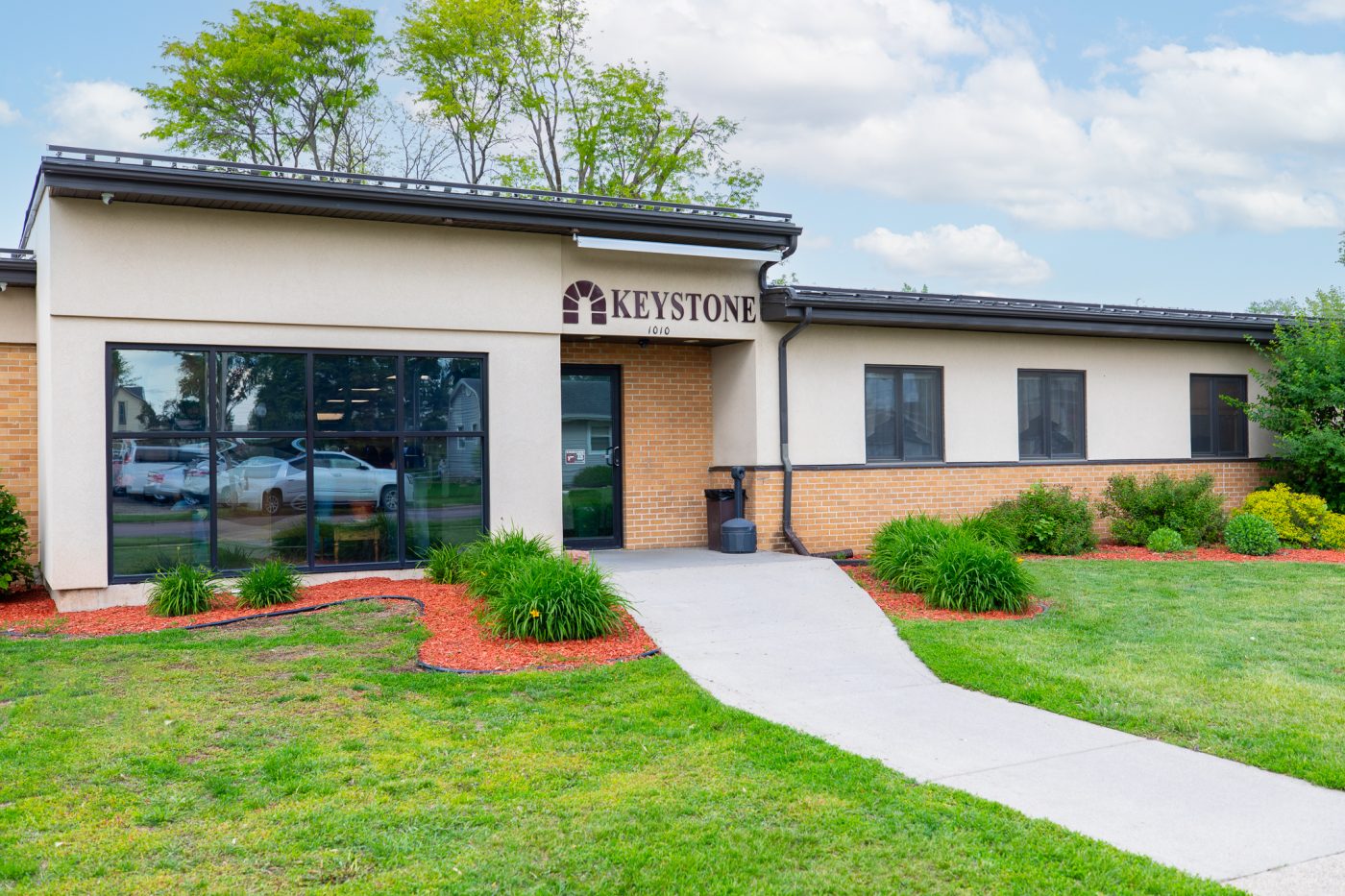
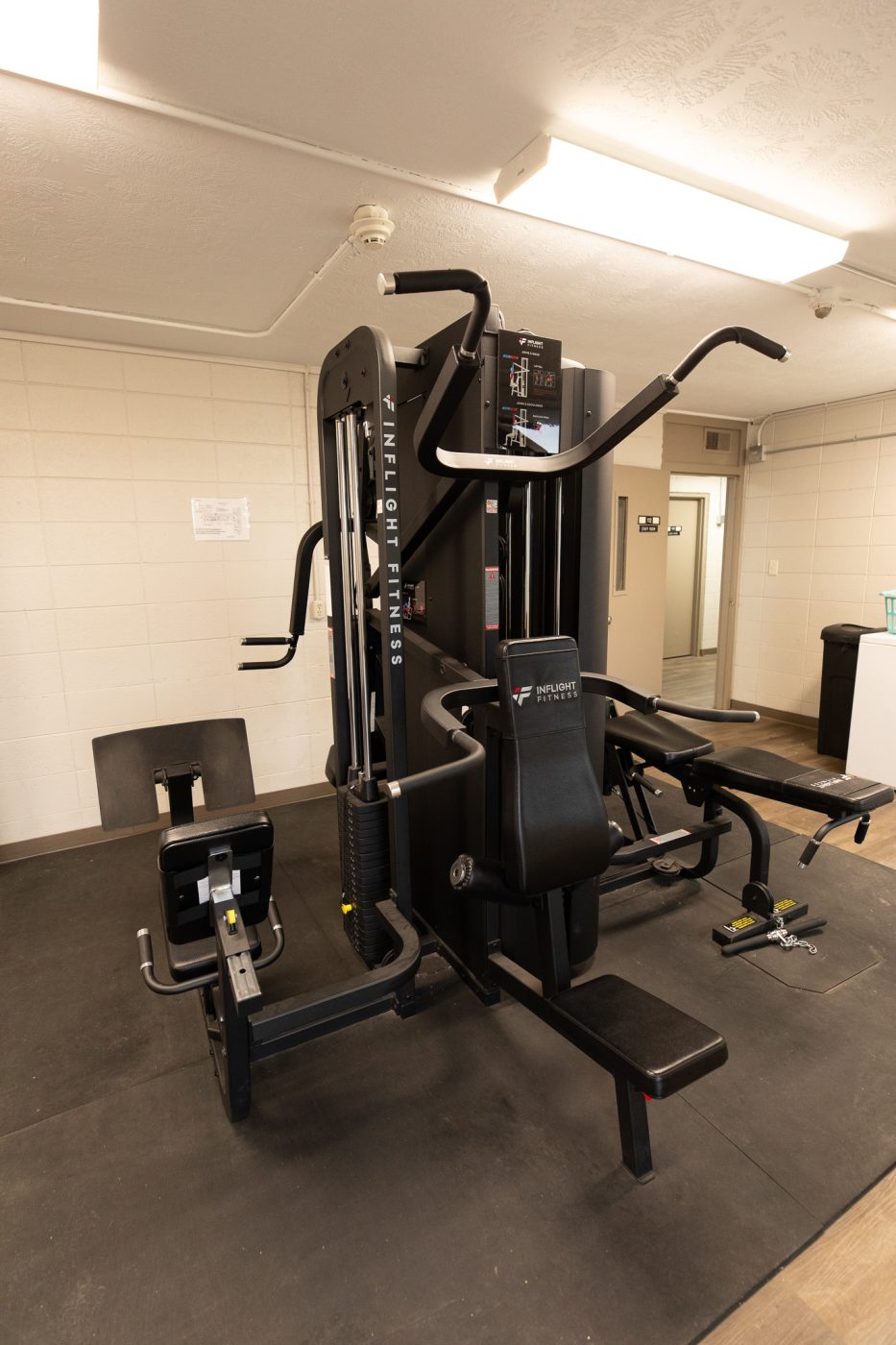
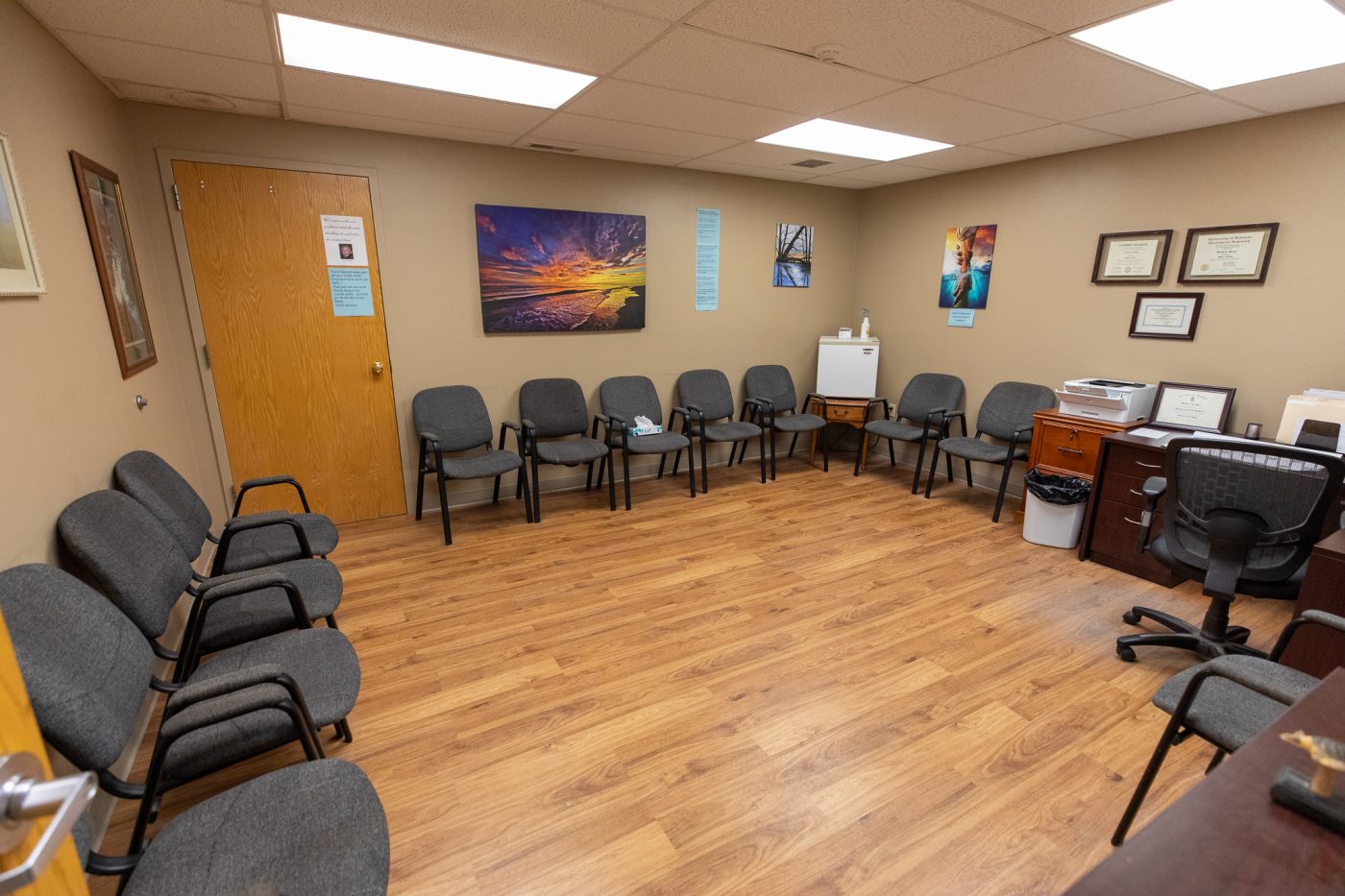
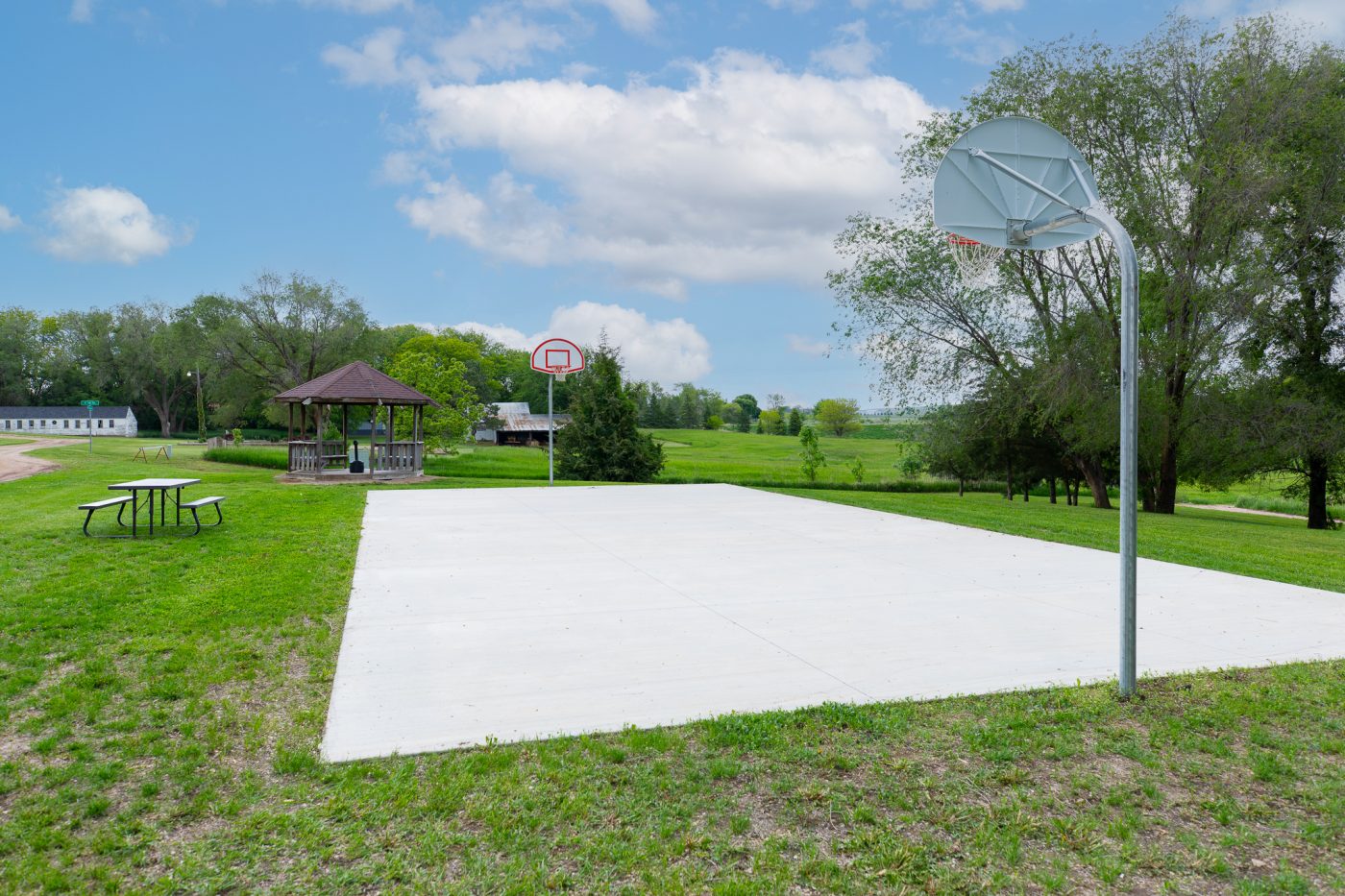
Since 1973, Keystone Treatment Center has provided life-changing care for adults struggling with substance use and gambling addiction. Located on a spacious 30-acre property in the plains of Canton, South Dakota, the large clinical facility provides a serene and removed setting ideal for focusing on recovery. Designed to accommodate up to 124 clients, the environment is structured and co-ed, with clients living in shared, dorm-style rooms to encourage peer support. The expansive grounds offer ample space for reflection and recreation, including a park, gym, basketball court, and a walking track. With a strong foundation in 12-Step principles and evidence-based therapies, Keystone is dedicated to personalized care. They offer specialized programs for military members and Native Americans and are one of the few facilities in the region that accepts South Dakota Medicaid, making high-quality treatment accessible. Visit their website here.
Facility
Video
Photos


Amenities & Details
Your First Step is a Conversation
Reaching out can feel overwhelming, but you're not alone. The admissions team is here to listen without judgment and help you understand your options.
- Your call is 100% confidential. Speak with Keystone's admissions.
- There's no commitment to enroll. They're here to answer questions.
- Talk next steps clearly. Discuss costs and what treatment looks like.
Treatment
Levels of Care
Medical Detoxification
Safe, supervised withdrawal.
Residential Treatment
Immersive, structured care.
Outpatient Programs
Flexible care in Sioux Falls.
Gambling Addiction
Specialized compulsive gambling care.
Military Program
Supporting service members.
Native American Program
Culturally-informed healing.
Approaches
Policies
Open Campus
Not a locked facility; clients must remain on property.
MAT Policy
Suboxone is for detox taper only, not long-term use.
Smoking Allowed
Cigarettes permitted in designated areas; no vaping.
Electronics Policy
No personal phones/laptops; landlines available.
Visitation Policy
On-site visits on the 3rd Sunday of stay.
Prohibited Items
No outside food/drink, revealing clothing, etc.
Cost
Payment Structure
Keystone works with most major private insurance plans and also accepts South Dakota Medicaid.
Verify Your InsuranceSelf-Pay
Estimates for those paying out-of-pocket. Please call to confirm.
- Residential (30 Days): $16,500
- Outpatient (Per Session): $100 - $200
Reviews

Based on 76 Google reviews
What Clients Appreciate
-
Caring Staff: Many former clients praise the caring and dedicated counselors and staff who provide excellent support.
-
Structured Program: The structure and serene campus are frequently mentioned as key to a positive, life-changing experience.
-
Good Amenities: Reviewers appreciate the quality of the food and the cleanliness of the facility.
"Keystone was an amazing experience that helped me save my own life. They provide you with the necessary tools, and staff to help you along your journey of recovery. It is a very structured program and will help you get your life back on track... I am very grateful for my experience at Keystone."
"This place saved my life. Amazing counselors, great classes. You get what you put into it. The staff is always there for you, and the campus is beautiful. It’s a safe place, with good people. I highly recommend for anyone struggling with addiction."
Some critical reviews mention a perception of understaffing, leading to less individualized attention than desired. A few former clients felt the program was too rigid or that certain rules were counterproductive. Communication issues with administrative staff, particularly after discharge, were also noted in some reviews.
Tip: The program's 12-step foundation and structured environment are key; success often depends on a client's readiness to engage with this model.
Location
Address
Keystone Treatment Center1010 E 2nd St
Canton, SD 57013, USA
Hours
Admissions: 9:00 AM - 6:00 PM Daily
Residential programs operate 24/7.
Frequently Asked Questions
Is this a closed/locked facility?
No, Keystone is an open campus. While it is not locked, clients are required to stay on the property. They are allowed to go outside for breaks, walks, and to use the designated smoking areas at permitted times.
Who else will be in treatment with me at your facility? What is their occupancy?
The program is for adults (18+) and is co-ed. With 124 beds, you will be part of a large and diverse community of peers. Because the facility accepts both South Dakota Medicaid and private insurance, the client population comes from a wide range of socioeconomic backgrounds.
Does this program use the 12-steps?
Yes, the treatment model at Keystone is strongly based on 12-Step principles. Clients are introduced to and participate in 12-Step facilitation as a core component of the program.
What should I bring with me?
When preparing for inpatient care at Keystone Treatment Center in South Dakota, it can be helpful to know what to bring to make your recovery journey feel more manageable and less overwhelming. Our compassionate team is committed to providing you and your family with the resources needed to feel prepared for your stay. Adult patients entering our inpatient program should bring a week’s supply of casual clothing, including jeans, T-shirts, sweatshirts, and length-appropriate shorts, noting that only one suitcase per patient is allowed. Personal hygiene items for a 30-day period are also recommended, such as toothbrushes, toothpaste, deodorant, shampoo, conditioner, hairbrushes or combs, shaving equipment, and menstrual products, along with shower shoes. Patients should bring all current medications and any vitamins in sealed, unopened containers. Additional items allowed include a personal fan, clock radio, curling iron or blow-dryer, and for patients age 21 and older, store-bought cigarettes or chewing tobacco in sealed packages. Envelopes, stationery, and stamps are also permitted, as well as family-appropriate swimwear for summer visits to local public pools and clothing suitable for optional church services or sweat ceremonies. To maintain confidentiality, adult patients are asked to purchase calling cards from the facility rather than bringing their own; these cards cost $5 for 50 minutes and do not reveal the caller’s identity. Keystone Treatment Center provides all bedding, pillows, and towels for each patient, and laundry facilities—including washers, dryers, and laundry soap—are available at no additional cost, ensuring that patients have everything they need for a comfortable and supportive inpatient stay.
What should I leave at home?
At Keystone Treatment Center in South Dakota, the comfort and safety of every patient receiving inpatient care is our highest priority, which is why there are specific items that should be left at home to maintain a safe and supportive environment. Patients should avoid bringing any clothing that features logos or messages promoting alcohol, drugs, sex, gambling, or gangs, as well as shorts or skirts shorter than two inches above the knee, body shirts, halter tops, tank tops, strapless or tube tops, low-cut shirts, midriff-baring tops, see-through shirts, low-cut jeans, and jeans or jeggings with sheer panels above the knee. Personal care items such as aerosol cans, perfumes, body sprays, and colognes containing alcohol in the first three ingredients should also be left behind. Additionally, pillows, blankets, towels, stuffed animals, e-cigarettes, vaping devices, rolling or loose tobacco, cellphones, smartwatches, computers, iPods, MP3 players, stereos, CD or DVD players, TVs, cameras, camcorders, nail polish and remover, gambling-related items like cards or dice, huffable products such as Wite-Out or Sharpie markers, handheld games, pictures with glass frames, jewelry, outside food or drink, and any unsealed or opened containers are not allowed. The staff at Keystone Treatment Center safely stores any items deemed inappropriate and returns them to patients or their loved ones upon discharge, while illegal or contraband items are destroyed. To avoid any complications, it is strongly recommended that patients leave any valuable or important items at home before beginning their inpatient care, ensuring a safe, focused, and supportive environment throughout their stay.
Is smoking/vaping allowed?
Yes, smoking traditional cigarettes is allowed in designated outdoor areas. However, vaping and e-cigarettes are strictly prohibited and are not allowed on campus.
What is the living situation like?
The living quarters are in a large, clinical-style facility on a 30-acre property. It is more of a dorm or campus setting than a home-like environment, designed to house a large number of clients.
Can I get my own room?
No, private rooms are not available. All clients have shared rooms and bathrooms, which is intended to foster peer support and a sense of community during treatment.
Is the program faith-based?
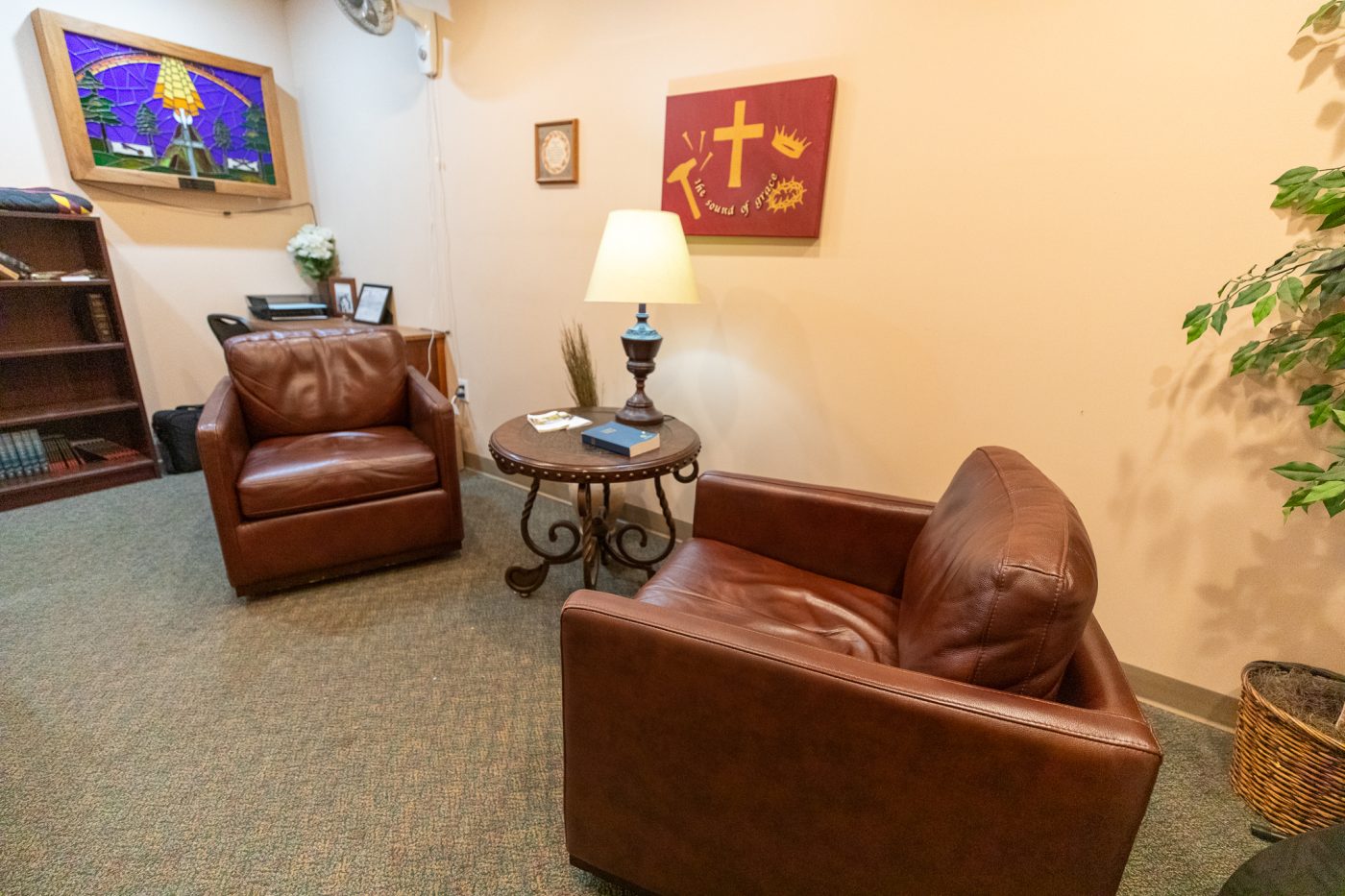
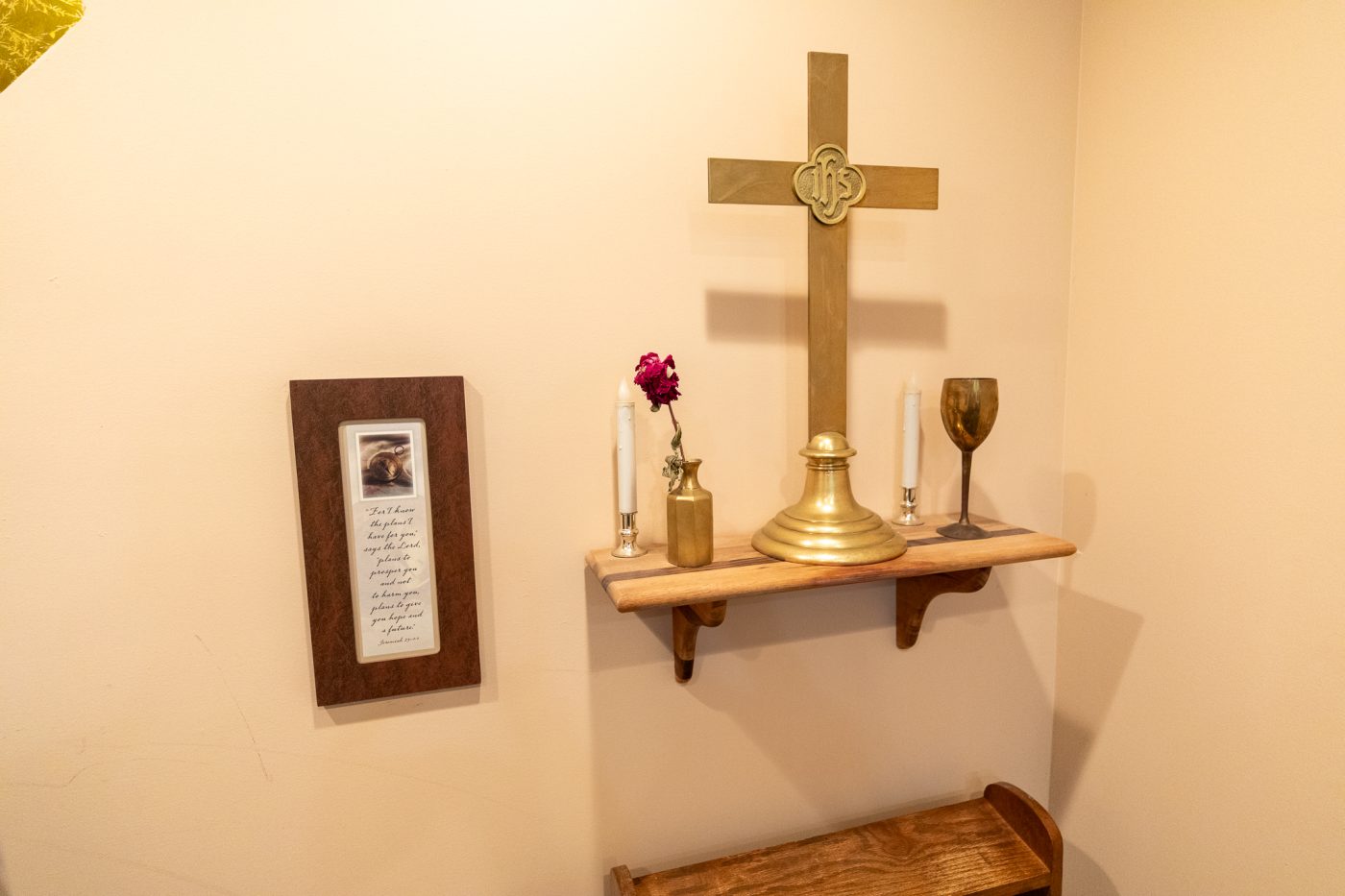
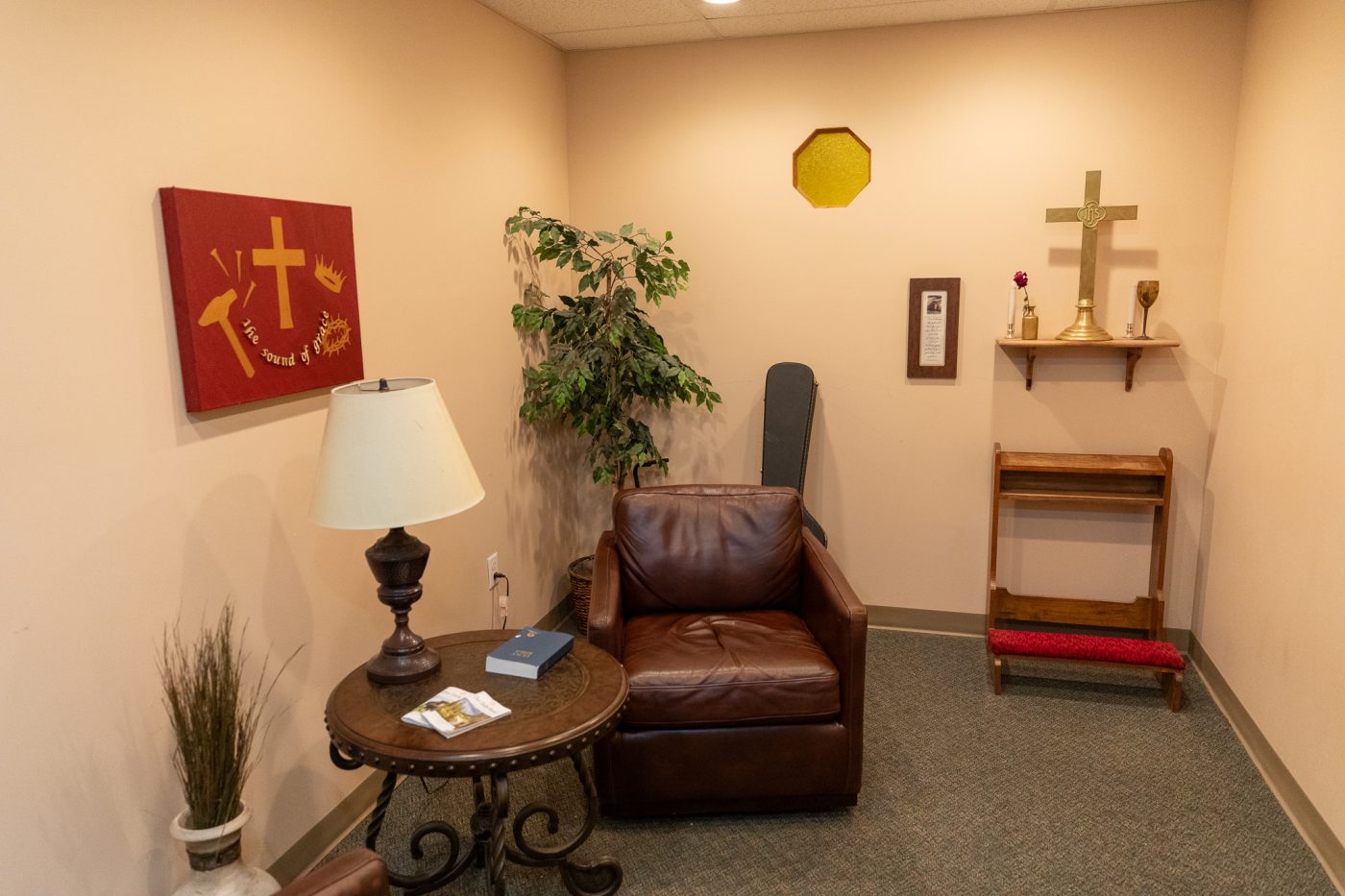
No, the program is not strictly faith-based. However, it is spiritually inclusive and can accommodate various preferences. They offer a Christian track and a Native American spiritual track for those who wish to incorporate their faith into recovery.
Is Suboxone (MAT) permitted?
No, Keystone is not a MAT-friendly facility for long-term treatment. They can help you taper off medications like Suboxone as part of the detoxification process, but they do not support its ongoing use during the residential program.
Can I use my phone or laptop? Is there WiFi?
No, personal electronics such as cell phones and laptops are not permitted. They will be locked up for the duration of your stay. You can purchase calling cards to use the facility's landline phones to contact loved ones.
Are family visits allowed?
Yes, family visits are permitted on the third Sunday of your stay. The facility also has a comprehensive Family Support Program to involve loved ones in the healing process.
How long will I be there?
The standard length of stay for the residential program is 30 days.
Who provides care here? Treatment team? Staff?
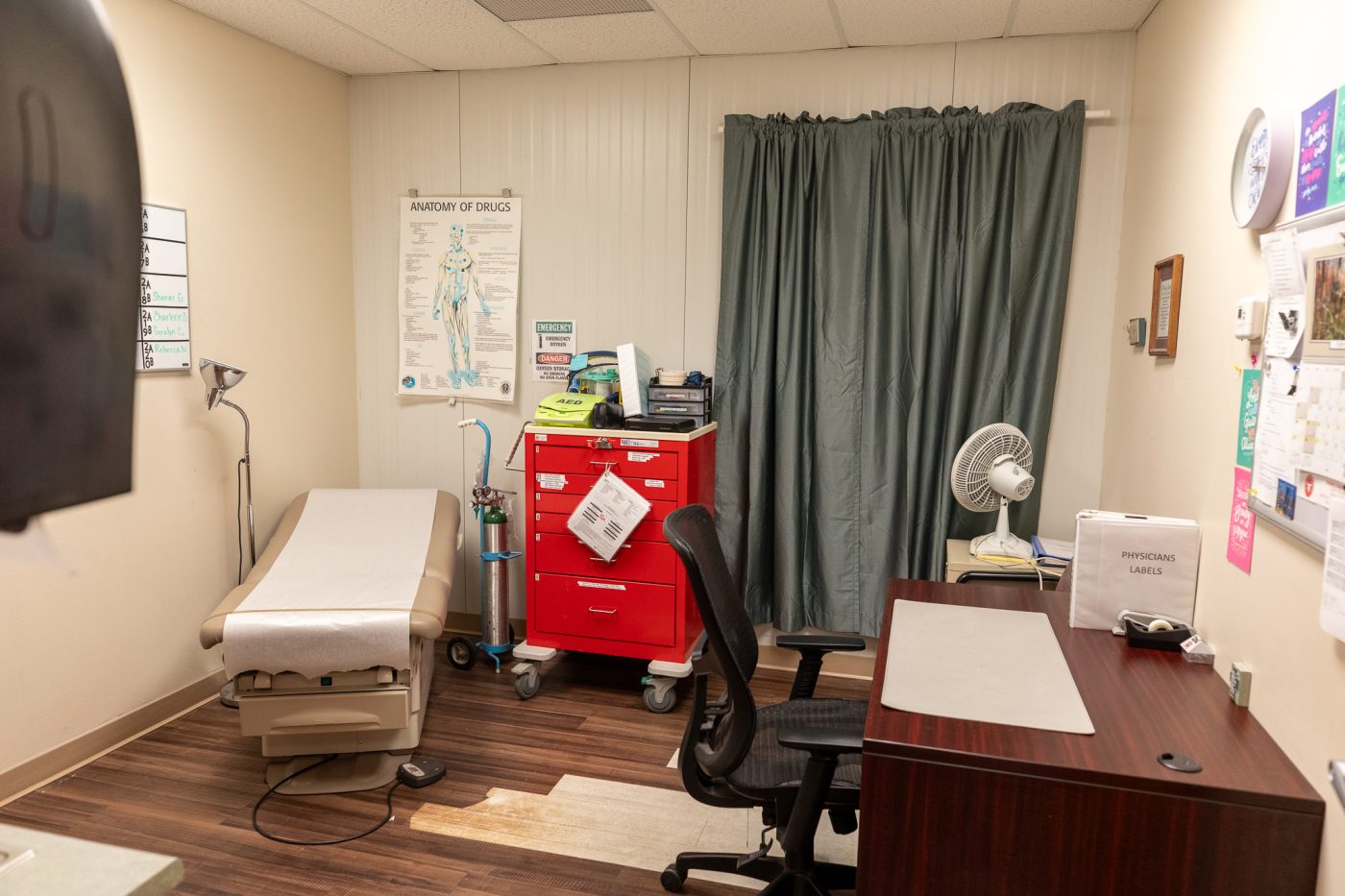
Care is provided by a multidisciplinary team consisting of licensed counselors, nurse practitioners, and nurses. A medical doctor serves in a supervisory role, but direct interaction with them may be limited.
What types of therapies do you use in your addiction treatment programs?
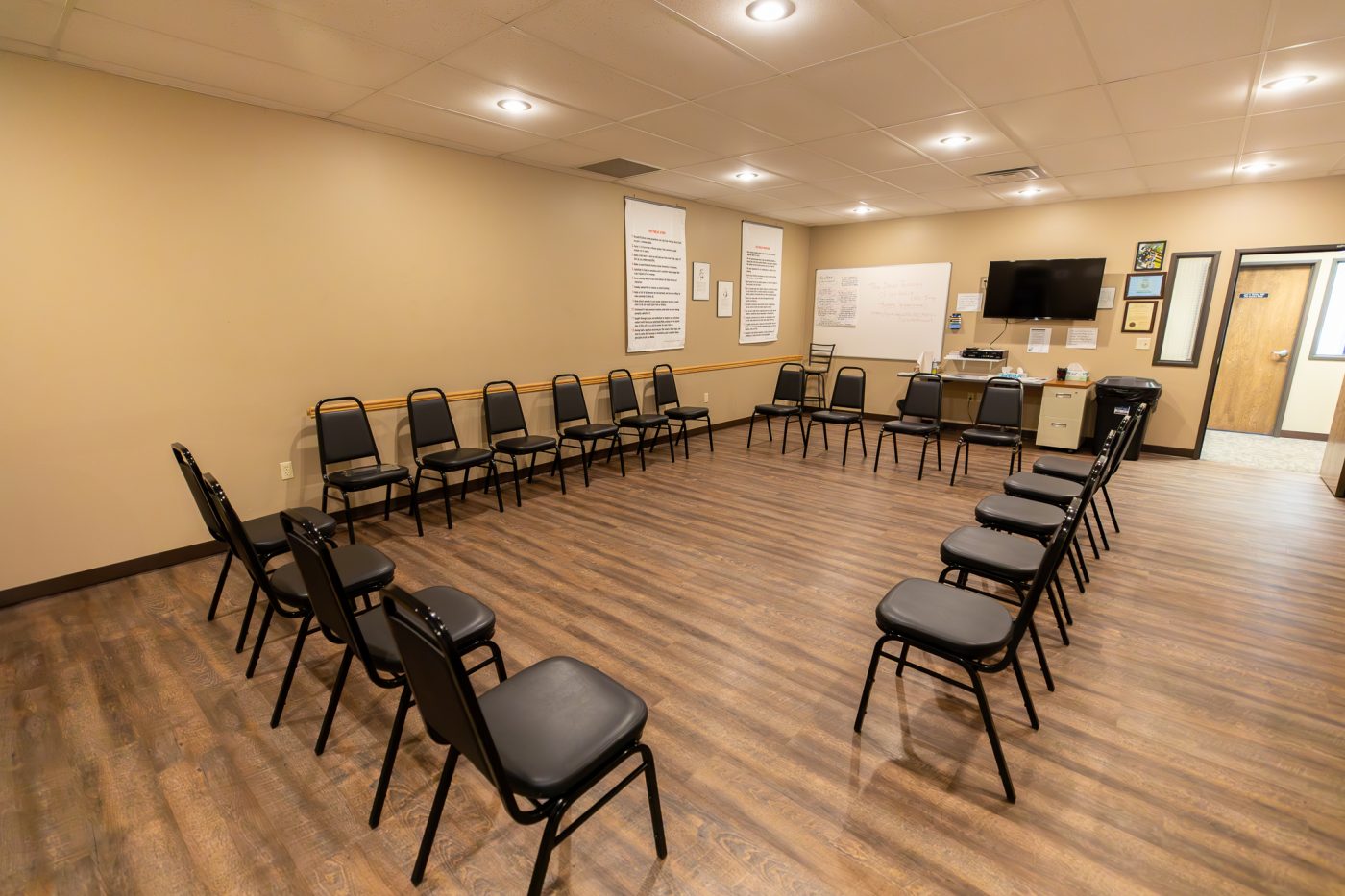
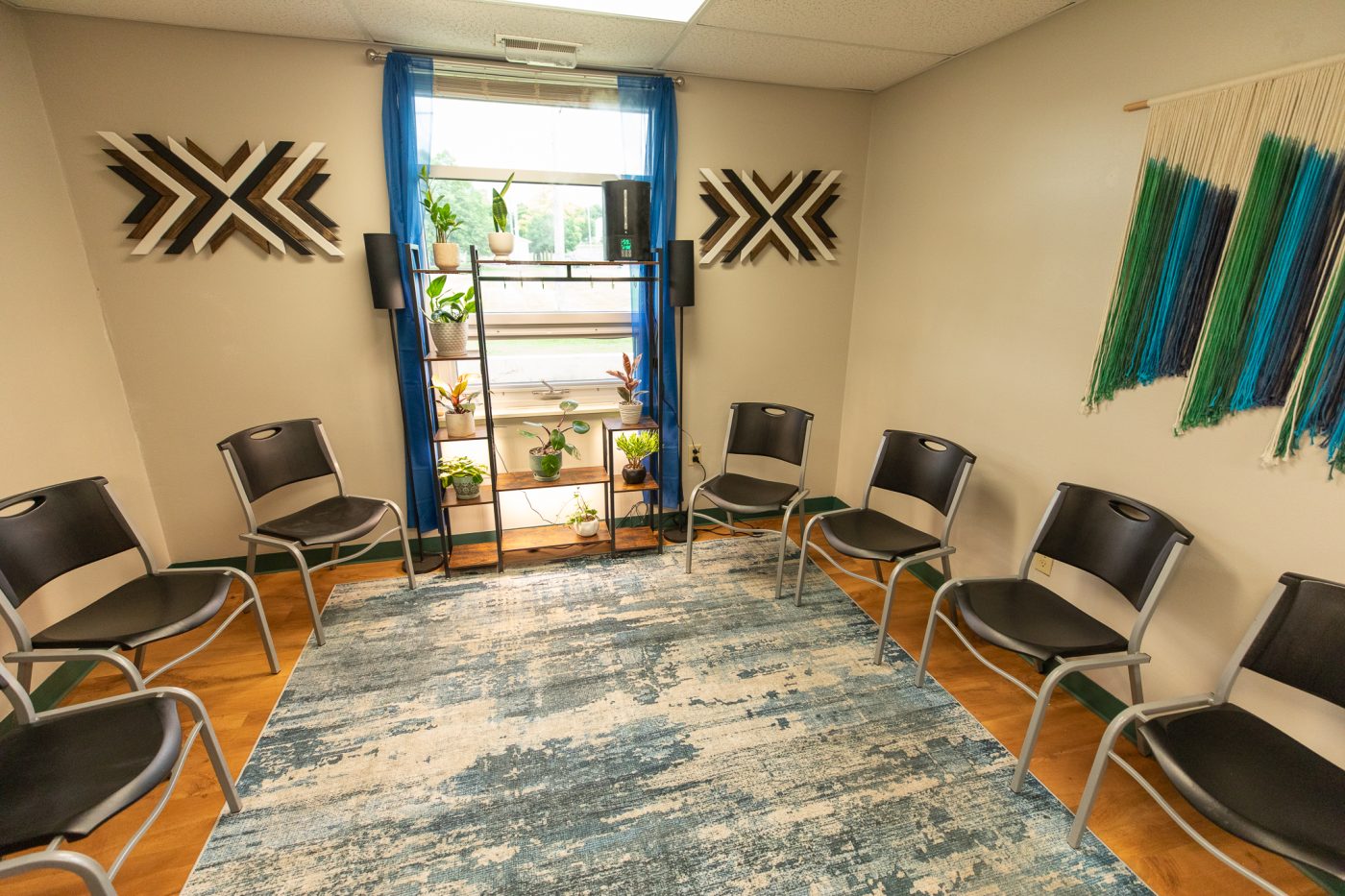
The center uses evidence-based programming, research-supported methods and modalities, and personalized care. Core components include individual and group therapy, 12-Step facilitation, and recreational therapy.
How do you treat dual diagnosis?
Keystone treats co-occurring disorders by integrating mental health care with addiction treatment. Their clinical team is equipped to address conditions like depression and anxiety alongside substance use or gambling disorders.
Do you accept insurance for substance use disorder treatment?
Yes, they accept most major private insurance plans as well as South Dakota Medicaid, making them accessible to a wide range of individuals seeking help.
What is the difference between inpatient and outpatient addiction treatment?
Inpatient addiction treatment—also called residential treatment—requires patients to live at a treatment facility full-time for a period that can range from a few weeks to several months. Patients receive 24/7 medical supervision, structured therapy sessions, and support in a highly controlled environment designed to remove access to substances and triggers. Inpatient care is usually recommended for individuals with severe substance use disorders, co-occurring mental health conditions, or those who need intensive monitoring during detox. It provides a highly immersive, distraction-free setting that helps patients focus entirely on recovery. Outpatient addiction treatment, on the other hand, allows patients to live at home while attending treatment sessions at a clinic or treatment center several times per week. Outpatient programs offer counseling, therapy, support groups, and sometimes medication management, but patients are responsible for maintaining sobriety in their everyday environment. Outpatient care is often recommended for individuals with a mild to moderate substance use disorder, strong support systems at home, or as a step-down from inpatient care after completing a residential program. It offers more flexibility and allows patients to continue with work, school, or family responsibilities while receiving treatment. In short: inpatient = live at the facility full-time, intensive and structured care; outpatient = live at home, attend scheduled sessions, more flexible but less controlled.
What types of support and aftercare are available once treatment ends?
Keystone offers a Continuing Care Program. After completing residential treatment, clients can step down to their outpatient offices located in Sioux Falls for ongoing support and therapy.
What will my costs be for treatment?
Costs vary based on insurance coverage. The estimated self-pay rate for a 30-day residential stay is $16,500. Outpatient sessions are estimated at $100-$200 per session. It's best to call for a benefits check to determine your exact costs.
Do you provide detoxification services?
Yes, they have a dedicated Drug & Alcohol Detox Program to help clients safely manage withdrawal symptoms before beginning the residential phase of treatment.
What family involvement is included in the treatment process?
Keystone has a dedicated Family Support Program. In addition to educational resources, family visits are permitted on the third Sunday of a client's stay.
What substance use disorder treatment programs do you offer?
They offer a full continuum of care including Medical Detox, Residential Treatment, and Outpatient services for adults struggling with substance use and gambling addictions.
Do you treat co-occurring mental disorders?
Yes, treating co-occurring disorders (or dual diagnosis) is a key part of their program. They provide integrated care for mental health conditions that occur alongside addiction.
Are there psychiatrists and psychologists on staff?
No, the primary medical and clinical team is composed of nurse practitioners, nurses, and licensed counselors, with a medical doctor providing supervision.
What is the length of a residential stay for substance use disorders?
The typical length of a residential stay at Keystone is 30 days.
What is the layout of the campus?
The campus is situated on 30 acres of land in Canton, South Dakota, providing a spacious and serene environment with outdoor amenities like a park and walking track.
Is there any follow-up after discharge?
Yes, a Continuing Care Program is available. Clients are often referred to their outpatient offices in Sioux Falls for continued support after completing the residential program.
How long has this facility been open?
Keystone Treatment Center has a long history of service, having been founded in 1973.
Why choose us? What makes it different than other addiction treatment centers?
Keystone stands out due to its long history of success (since 1973), its comprehensive care for both substance use and gambling addiction, and its specialized tracks for Military and Native American populations. Furthermore, their acceptance of SD Medicaid makes them a vital and accessible resource in the region.
Ready to Take the Next Step?
Their team is available to answer your questions confidentially.
Call NowAccreditation & Support
CARF Accredited
Commission on Accreditation of Rehabilitation Facilities
State Licensed (SD)
Licensed by the State of South Dakota
ASAM Certified
American Society of Addiction Medicine