
Overview
Good Road Recovery Center, located in Bismarck, North Dakota, is a modern, $20 million state-of-the-art facility owned and operated by the Three Affiliated Tribes (Mandan, Hidatsa, and Arikara Nation). It provides a vital, fully-funded recovery service for enrolled tribal members, offering a comprehensive continuum of care at no cost. The program's philosophy is rooted in the belief that healing comes from a return to cultural teachings combined with evidence-based treatment practices. The center maintains an intimate feel with a capacity of 16 clients (8 male and 8 female) in a structured, professional, and co-ed environment. Offering social detox, residential treatment, outpatient services, and sober living, Good Road creates a non-judgmental and supportive environment to guide individuals and their families onto a positive path of recovery. Visit their website here.
Facility
Video
Photos


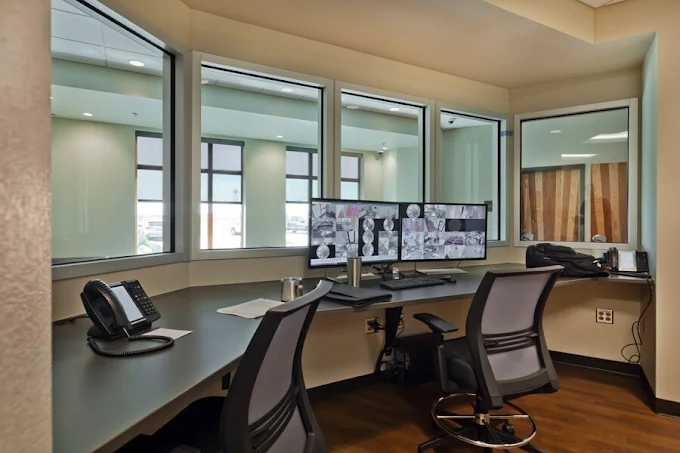


Amenities & Details
Your First Step is a Conversation
Reaching out can feel overwhelming, but you're not alone. The admissions team is here to listen without judgment and help you understand your options.
- Your call is 100% confidential. Speak with Good Road's admissions.
- There's no commitment to enroll. They're here to answer questions.
- Talk next steps clearly. Discuss eligibility and what treatment looks like.
Treatment
Levels of Care
Social Detoxification
A supportive, non-medical first step.
Residential Treatment
Immersive, structured inpatient care.
Outpatient Programs (PHP/IOP)
Flexible treatment for real-world integration.
Sober Living
Supportive, transitional housing.
Approaches
Policies
Open Campus
Not a locked facility, but leaving grounds requires authorization.
MAT Policy
Abstinence-based; clients on MAT will be tapered off.
Smoking/Vaping Allowed
Permitted in designated outdoor areas only.
Electronics Policy
Personal cell phones and laptops are strictly prohibited.
Family Contact & Visits
Family involvement is supported through scheduled visits.
Prohibited Items
Includes weapons, non-prescribed drugs, alcohol products.
Cost
Payment Structure
Good Road Recovery has a unique, no-cost model. The program is fully funded for enrolled members of the Mandan, Hidatsa, and Arikara (MHA) Nation. It is also an approved Medicaid provider.
Enquire About EligibilitySelf-Pay
For eligible tribal members, there is no out-of-pocket cost.
- All Programs: $0 for Eligible MHA Members
- Medicaid: Accepted
Reviews

Based on 3 Google reviews
What Clients Appreciate
-
Caring Staff: Described as "amazing" and "supportive," going above and beyond.
-
Effective Program: Called an "excellent program" that is highly recommended for life change.
-
Positive Impact: All reviews are 5-star, indicating a consistently positive and life-changing experience.
"Good Road Recovery Center is an excellent program. The staff is amazing and very supportive. I would recommend this program to everyone who wants to change their life."
"Amazing program. Truly amazing and caring staff who go above and beyond for the patients."
View additional context from reviews
Reviews for Good Road Recovery Center are unanimously positive. There is currently no negative or critical feedback available online, with all reviewers awarding a 5-star rating and praising the supportive staff and effective program.
Location
Address
Good Road Recovery Center1308 Elbowoods Ln
Bismarck, ND 58503, USA
Hours
Admissions/Office: M-F, 8am - 4:30pm
Residential programs operate 24/7.
Frequently Asked Questions
Program & Treatment
Why choose us? What makes it different than other addiction treatment centers?
The Good Road Recovery Center has the belief that through non-judgmental education, a return to our cultural teachings and prevention activities with our families and relatives, we can make known the future consequences of the use and abuse of mood-altering chemicals and create positive attitudes and behaviors regarding abstinence and recovery. It is also owned and operated by the Three Affiliated Tribes.
What substance use disorder treatment programs do you offer?
We offer a full continuum of care including non-medical (social) detox, residential treatment, Partial Hospitalization (PHP), Intensive Outpatient (IOP), general outpatient (OP), and sober living.
How do you treat dual diagnosis / co-occurring disorders?
Yes, we provide integrated treatment for individuals dealing with both a substance use disorder and a co-occurring mental health condition, addressing both issues simultaneously for a more effective recovery.
What types of therapies do you use in your addiction treatment programs?
Our therapeutic approach includes individual therapy, group therapy, and 12-Step facilitation meetings. These are complemented by unique cultural activities and equine therapy.
Does this program use the 12-steps, or not use the 12-steps?
Yes, our program incorporates 12-Step principles and facilitates attendance at AA/NA meetings as a core component of the recovery process.
Is the program faith-based?
No, our program is not based on a specific religion. It is a clinical program that incorporates the cultural and spiritual teachings of the Three Affiliated Tribes.
How long has this facility been open?
Good Road Recovery Center was founded and has been offering services since 2018.
Cost & Admission
What will my costs be for treatment?
There is no cost for treatment. The program is fully funded for enrolled members of the Mandan, Hidatsa, and Arikara (MHA) Nation tribes.
Do you accept insurance for substance use disorder treatment?
The program is fully funded for MHA tribe members, so private insurance is not applicable for this group. We are also a Medicaid-approved facility.
Do you provide detoxification services?
We provide social detox, not medical detox. The key difference is the level of clinical intervention: medical detox uses medication and 24/7 medical supervision to ensure physiological safety, while social detox uses a supportive, non-clinical environment to provide emotional stability and encouragement. The appropriate type of detox is determined by a professional assessment based on the substance used, the severity of the addiction, and the individual's overall physical and mental health.
Is Suboxone (MAT) permitted?
No, this is an abstinence-based program. We prefer to taper clients off of medications like Suboxone, as we do not support it for long-term maintenance.
Daily Life, Rules & Family
How long will I be there?
The typical length of stay for our residential program is between 30 and 60 days, depending on individual clinical needs and progress.
What is the living situation like? Can I get my own room?
The living situation is in a modern, state-of-the-art building. All rooms are semi-private, meaning you will share a room and bathroom with a roommate. Private rooms are not available.
Is this a closed/locked facility?
No, it is an open campus, not a locked facility. Clients can move about the property but cannot leave the grounds without staff approval and supervision.
Can I use my phone/laptop? Is smoking allowed?
Yes, smoking and vaping are permitted in designated outdoor areas. Personal electronics like phones and laptops are not allowed to help clients focus fully on recovery.
What should I bring with me?
When preparing for a residential stay, it's best to pack about a week's worth of comfortable, casual, and weather-appropriate clothing that adheres to the facility's dress code, which typically prohibits revealing items or clothing with drug, alcohol, or offensive logos. You should also bring essential toiletries, but ensure they are all alcohol-free, including items like mouthwash and some face washes. It is also important to have your ID, insurance card, and a list of key contact numbers for family and medical providers. Personal comfort items like photos of loved ones, a journal, and recovery-approved books are often encouraged to make your space feel more personal and to aid in your therapeutic process.
What should I leave at home?
As a rule, you should leave all non-essential and potentially problematic items at home. This includes any drugs, alcohol, or unapproved medications, as well as weapons of any kind. Most facilities have strict policies against bringing electronics like cell phones, laptops, and tablets to minimize outside distractions and help you focus entirely on your recovery. It's also wise to leave valuable jewelry, large amounts of cash, and any outside food or beverages at home. Items like candles, incense, and aerosol cans are also typically prohibited for safety reasons.
What is the difference between inpatient and outpatient addiction treatment?
Inpatient and outpatient treatment are distinguished primarily by their living arrangements and intensity of care. Inpatient, or residential, treatment requires you to live at the facility 24/7, providing a highly structured, immersive environment free from outside triggers and with constant medical and therapeutic support. Conversely, outpatient programs allow you to live at home and attend therapy sessions at the clinic for several hours on specific days of the week, offering the flexibility to maintain work, school, or family commitments. Inpatient care is often recommended for those with severe addictions or co-occurring disorders needing constant supervision, while outpatient care is suitable for individuals with a stable home environment or as a step-down level of care after completing a residential program.
Who provides care here? Are there psychiatrists on staff?
Care is provided by a multidisciplinary team that includes a doctor on-site, Physician Assistants (PAs), nurses, and licensed counselors. The presence of psychiatrists or psychologists is not specified.
Who else will be in treatment with me at your facility? What is their occupancy?
The program is co-ed for adults (18+), primarily serving members of the Three Affiliated Tribes. With a small capacity of just 16 clients (8 men and 8 women), you will be part of an intimate, supportive community of peers working toward recovery together.
What is the family involvement and visitation policy?
Yes, family visits are permitted. The program believes addiction affects the family and community, and involvement from loved ones is an encouraged part of the healing process. Specific policies on timing and frequency of visits should be confirmed with staff.
What types of support and aftercare are available once treatment ends?
We provide robust aftercare planning and follow-up support after discharge. A key component of our continuing care is our sober living program, which offers a structured, substance-free environment to support long-term recovery.
What family involvement is included in the treatment process?
The website states they believe addiction's effects are on "the family, community, and the culture." However, it does not specify the level of family involvement in treatment.
Do you treat co-occurring mental disorders?
Yes, we provide integrated care for co-occurring disorders, meaning we treat both substance use and mental health conditions simultaneously.
Are there psychiatrists and psychologists on staff?
The medical team includes a doctor, PAs, and nurses. The presence of on-staff psychiatrists or psychologists is not specifically mentioned.
What is the length of a residential stay for substance use disorders?
A typical residential stay ranges from 30 to 60 days, based on individual treatment needs.
What is the layout of the campus?
The campus is a modern, state-of-the-art $20 million facility designed to provide a safe and effective environment for recovery.
Is there any follow-up after discharge?
Yes, comprehensive discharge planning includes follow-up support and access to our continuum of care, including sober living, to promote lasting recovery.
Ready to Take the Next Step?
Their team is available to answer your questions confidentially.
Call NowAccreditation & Support
State Licensed (ND)
Licensed by the State of North Dakota.
Tribally Owned
Operated by the Three Affiliated Tribes.