
Overview
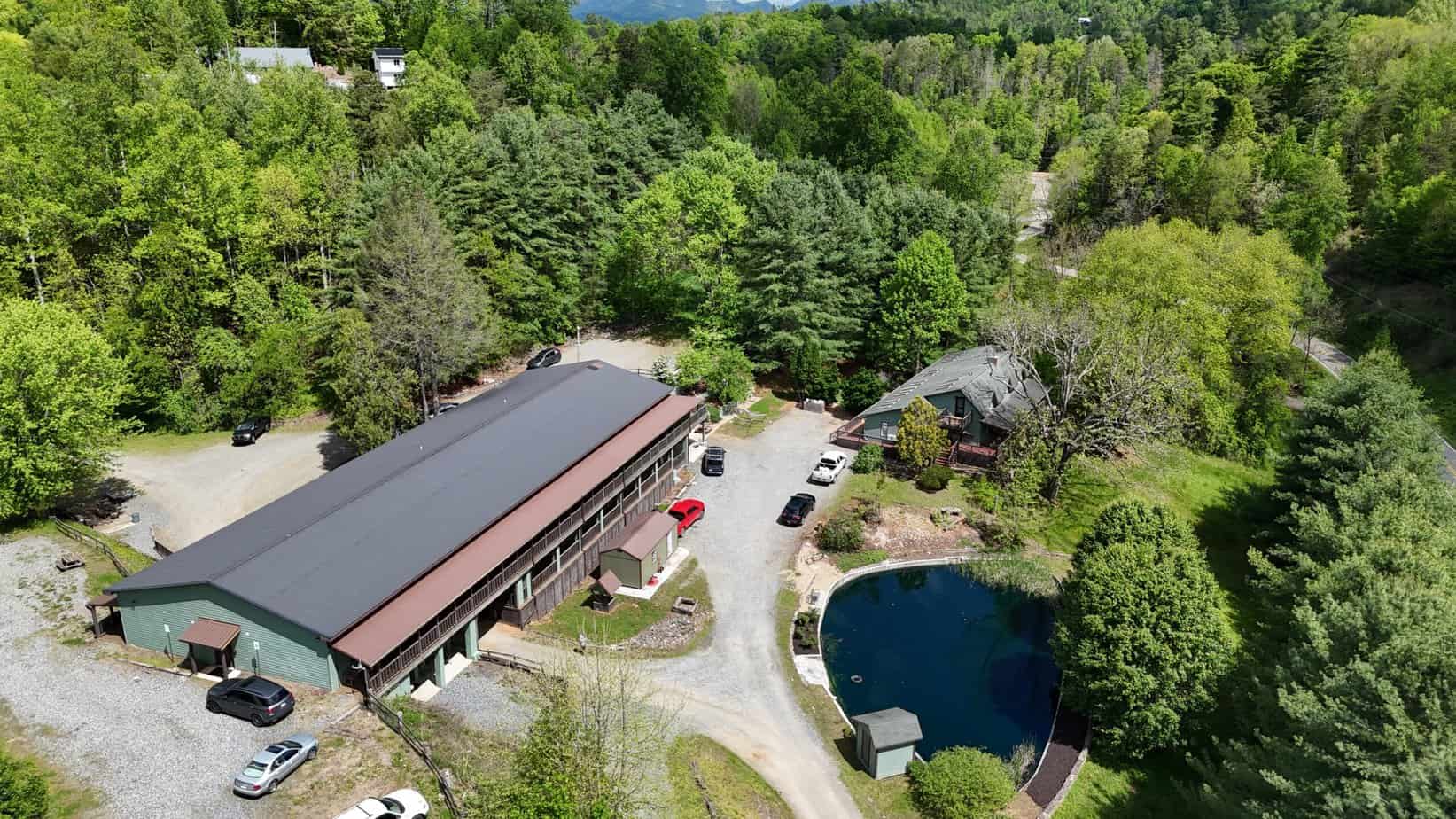
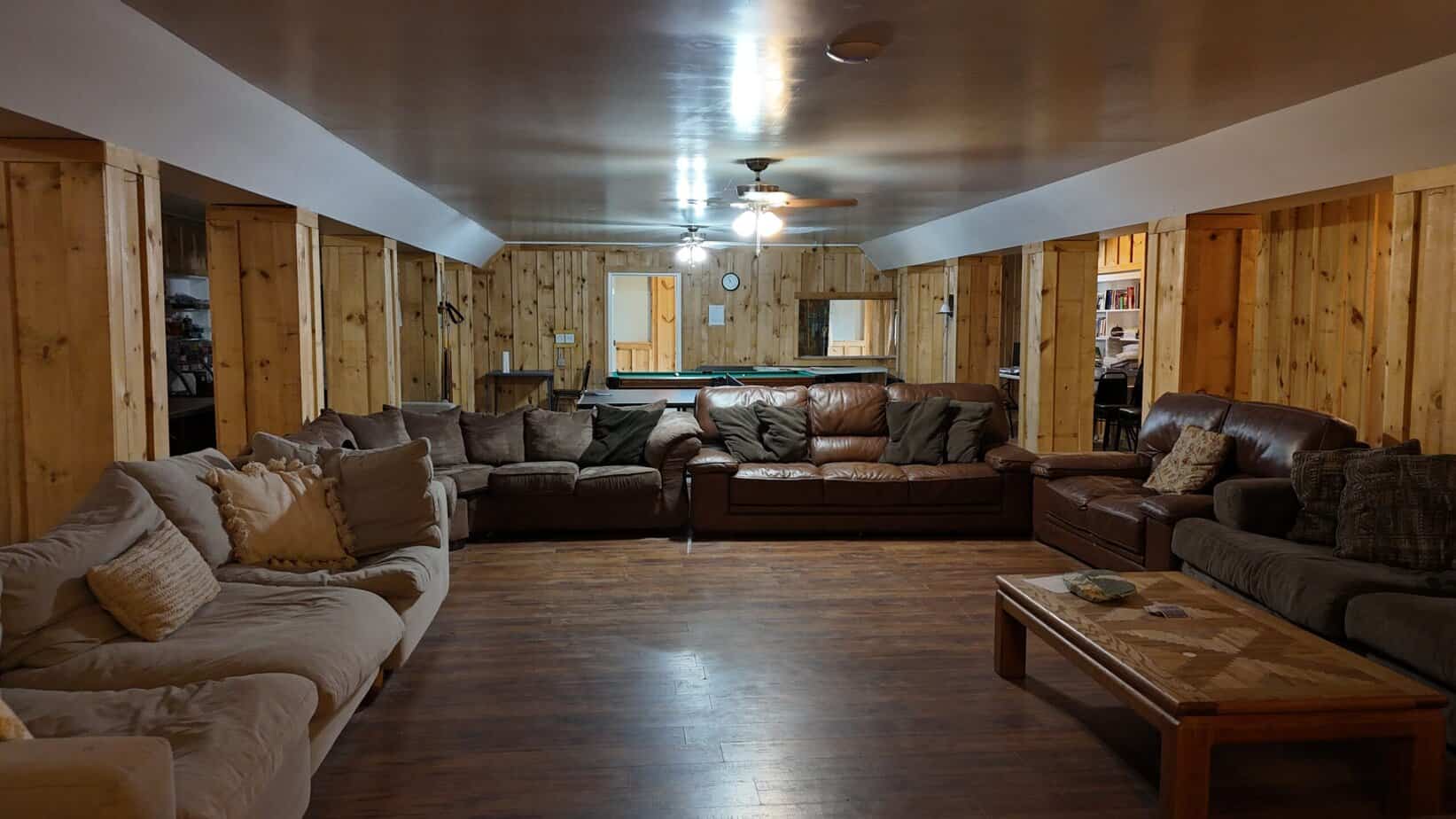
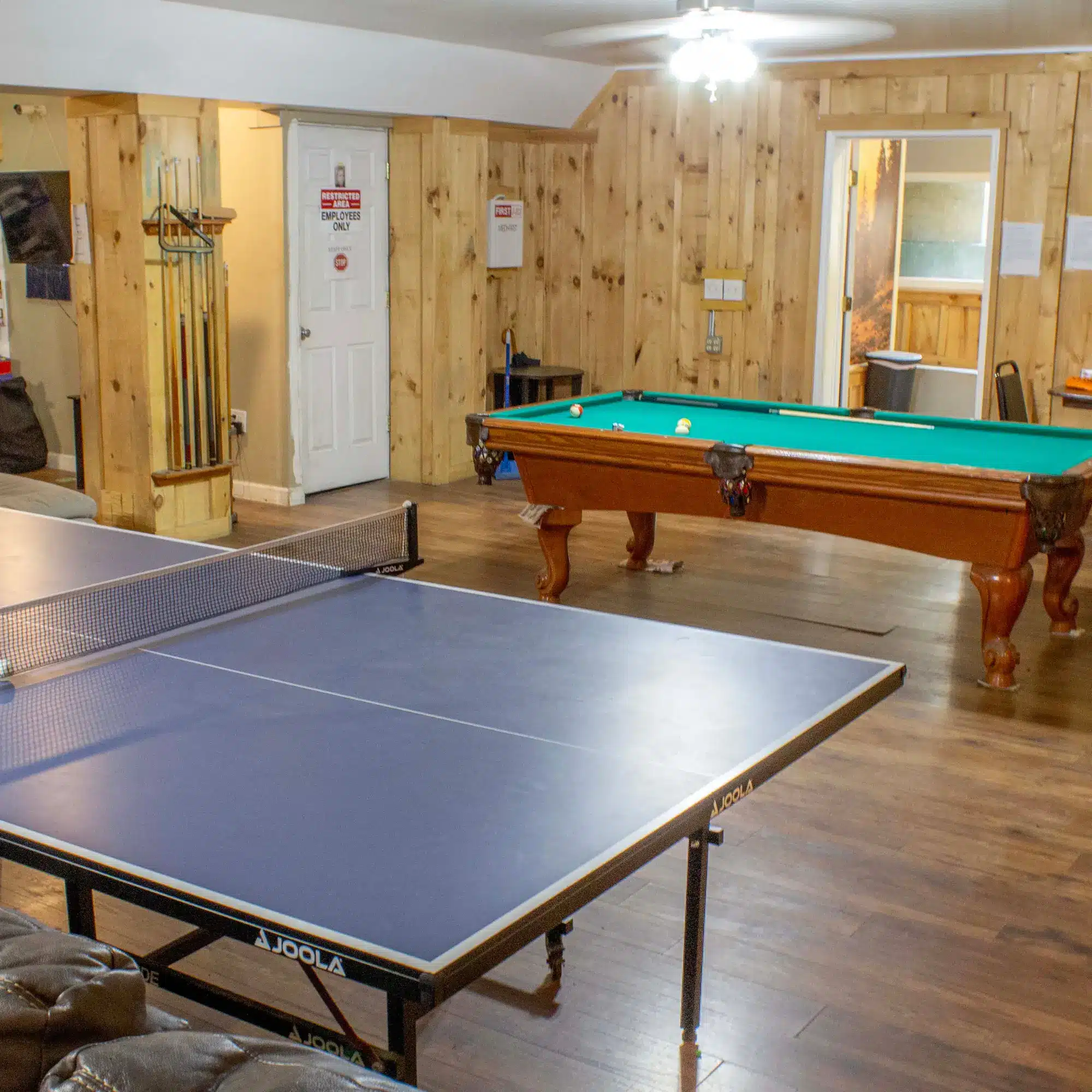
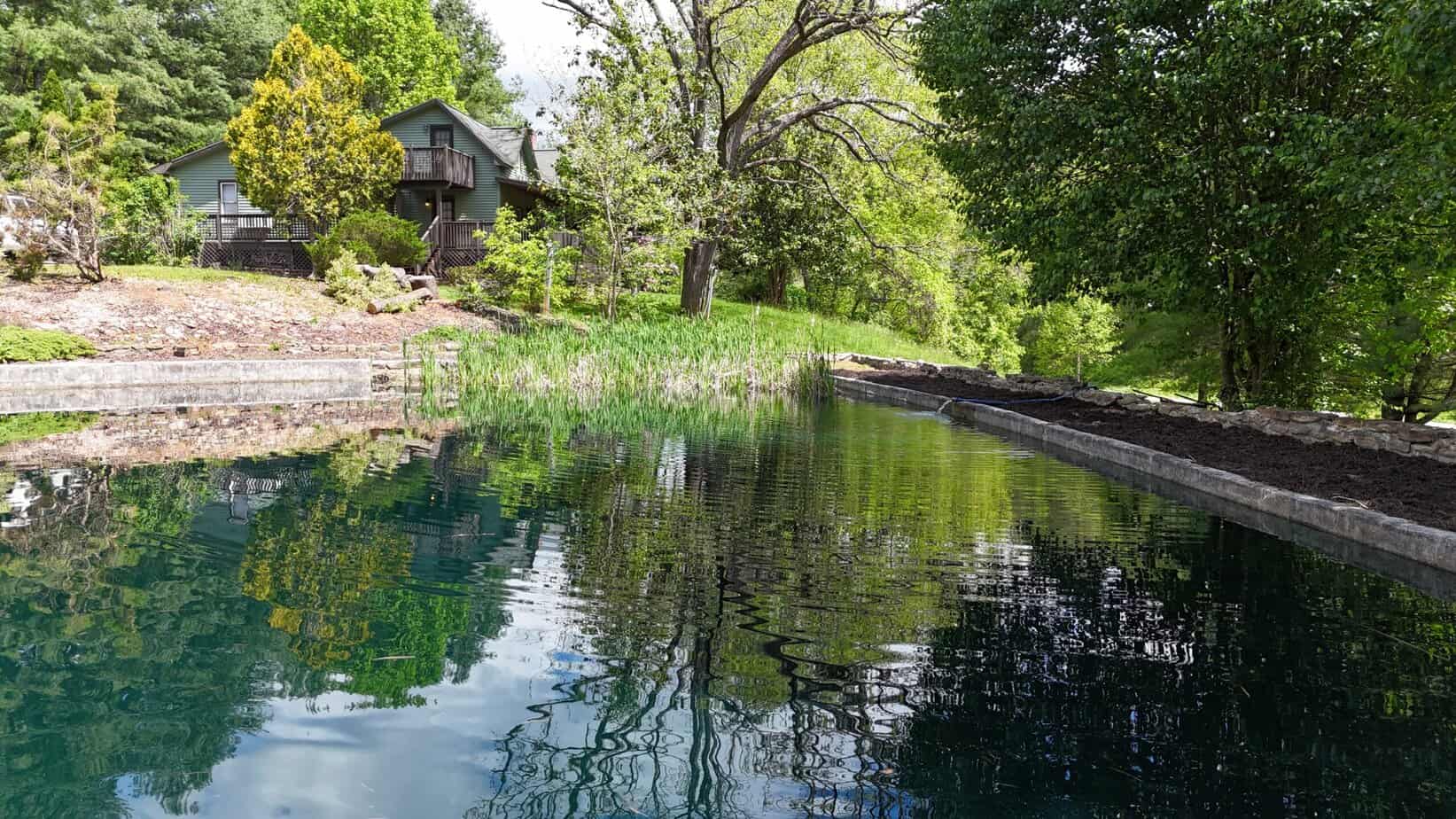
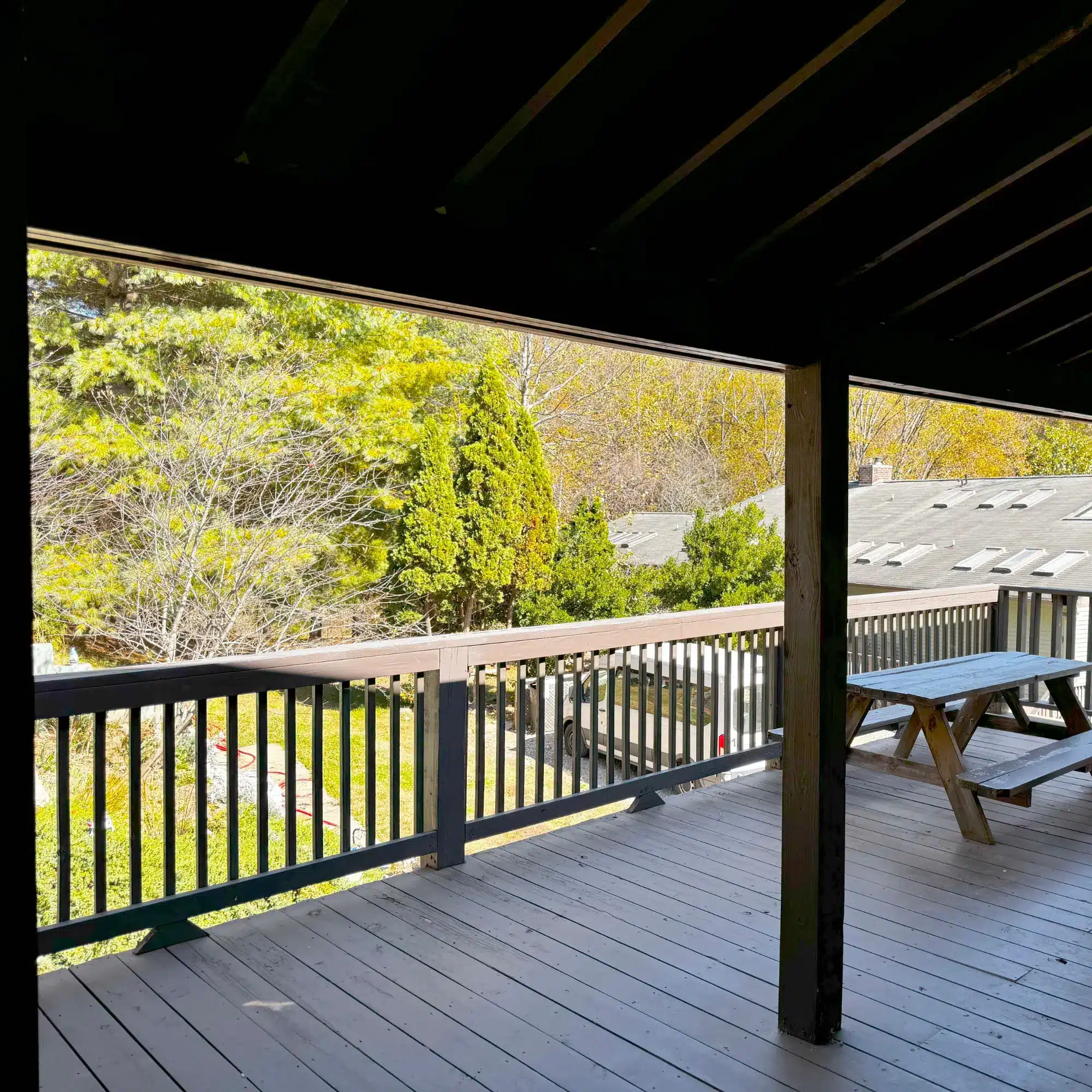
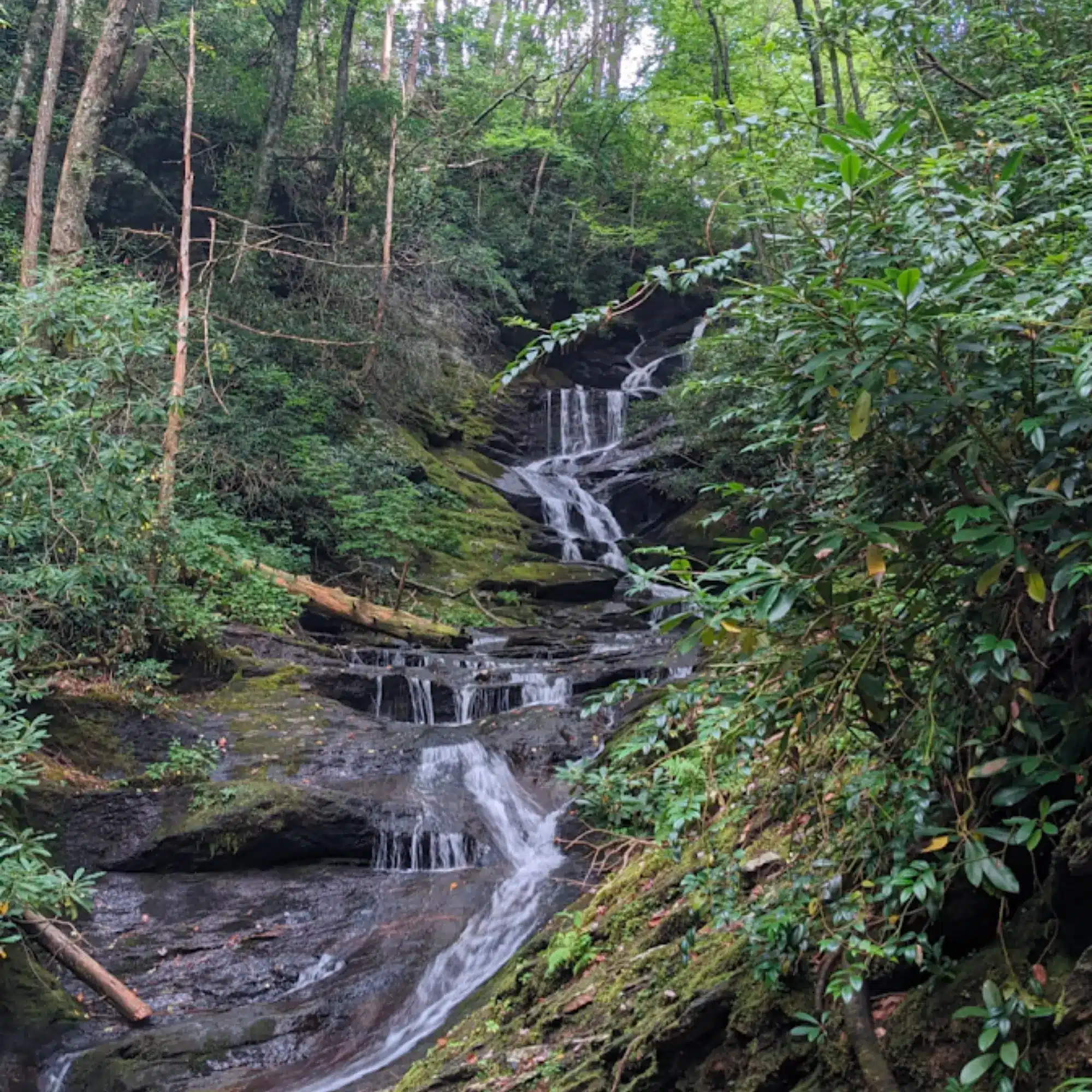
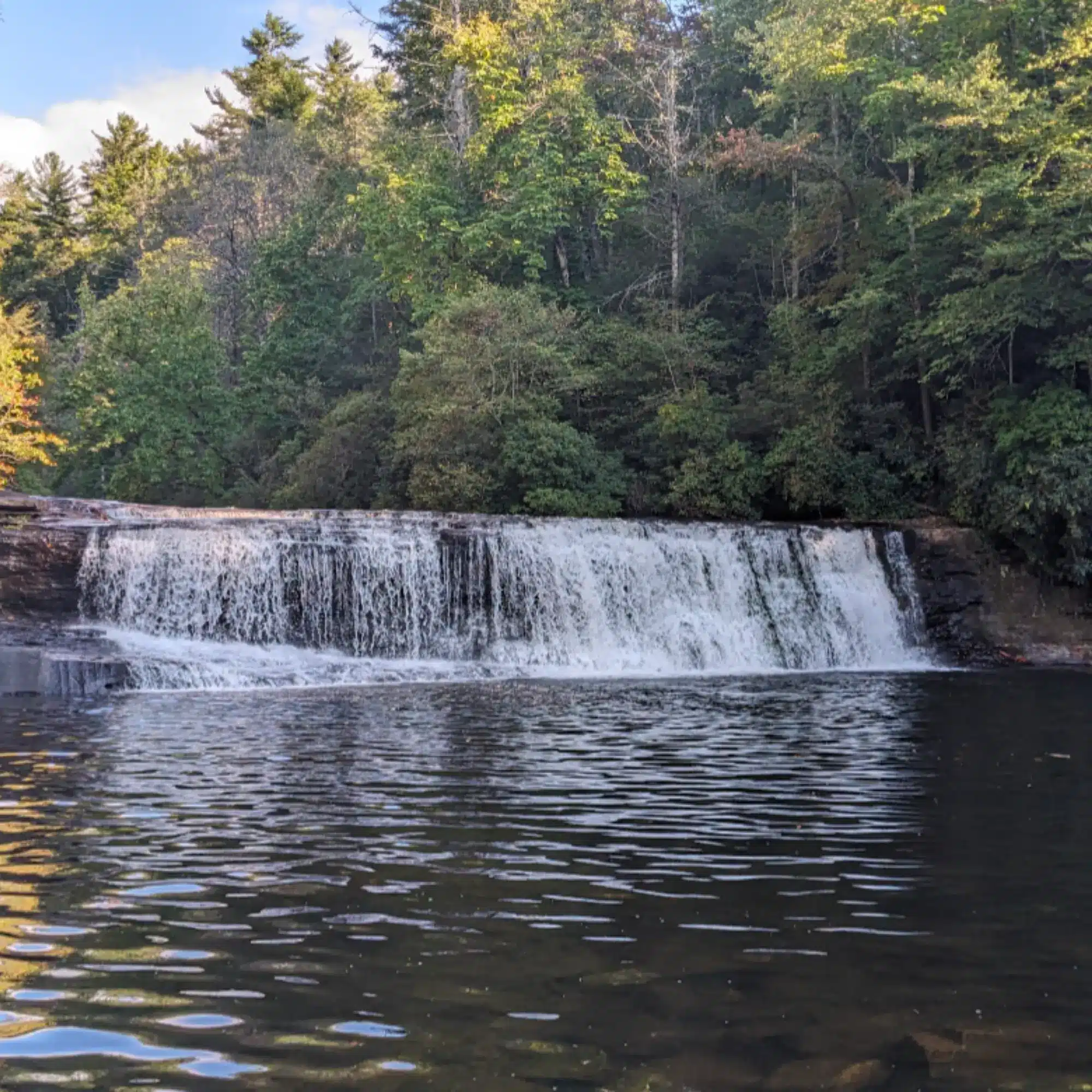
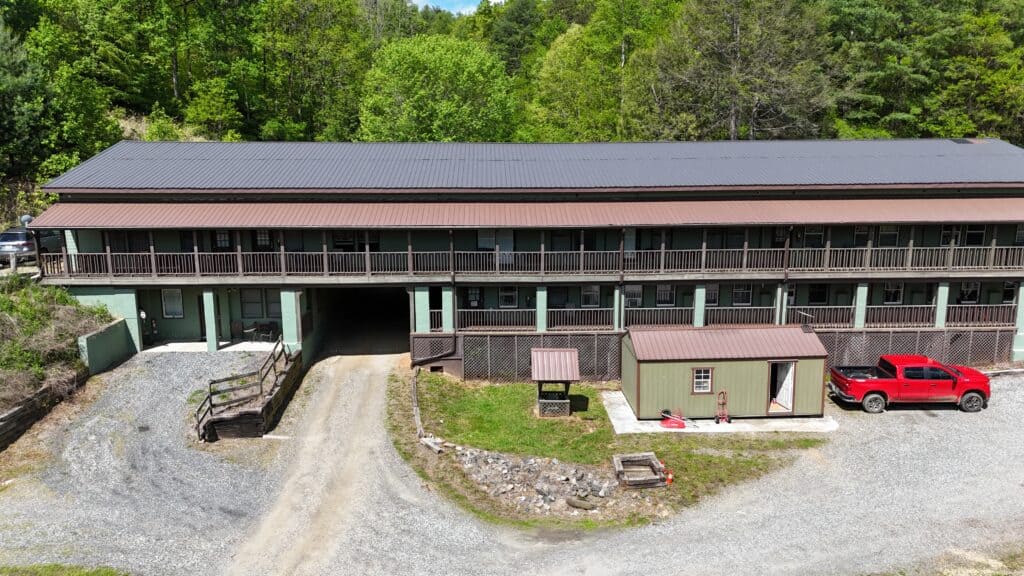
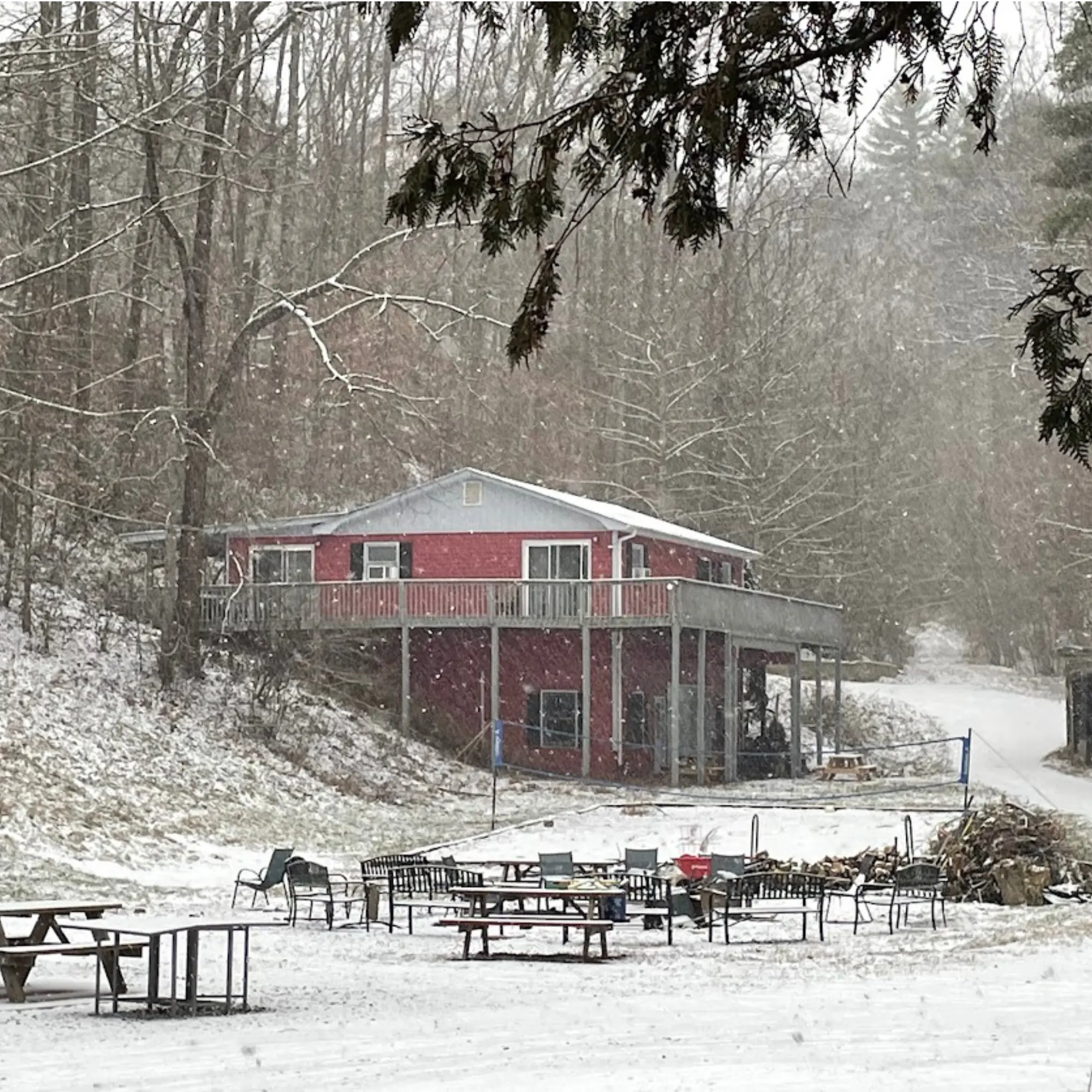
Asheville Recovery Center offers a unique and effective path to sobriety from its serene, 7-acre campus in the Blue Ridge Mountains of North Carolina. Voted "North Carolina's best treatment center" by Newsweek for 2023 and 2024, this facility provides long-term residential care for adults struggling with drug and alcohol addiction and co-occurring mental health disorders. Their comprehensive program combines evidence-based therapies, 12-step principles, and holistic practices like yoga and acupuncture in a supportive, community-focused environment. Set in a renovated hunting lodge with dorm-style rooms, the center fosters a non-clinical, family-like atmosphere where clients can heal, grow, and build a solid foundation for lasting recovery. Visit their website here.
Facility
Video
Photos
Amenities & Details
Your First Step is a Conversation
Reaching out can feel overwhelming, but you're not alone. The admissions team is here to listen without judgment and help you understand your options.
- Your call is 100% confidential. Speak with Asheville's admissions.
- There's no commitment to enroll. They're here to answer questions.
- Talk next steps clearly. Discuss costs, insurance, and what treatment looks like.
Treatment
Levels of Care Offered
Residential Program
Immersive, 24/7 structured care.
Aftercare Program
Planning for long-term sobriety.
Approaches
Policies
Detox Required
Clients must be medically detoxed prior to admission.
MAT Friendly
Medication-Assisted Treatment is supported.
Semi-Open Campus
Clients can walk the grounds; cannot leave without a pass.
Electronics Policy
Phones allowed for 2 hrs/day after 72-hr blackout.
Visitation Policy
5-hour off-site family pass on Sundays.
Smoking/Vaping Allowed
Permitted in designated outdoor areas.
Cost
Insurance
Asheville Recovery Center is a private facility and accepts most PPO insurance plans. They do not accept Medicaid. Contact their admissions team for a free benefits check.
Verify InsuranceSelf-Pay
Self-pay options are available. Please call to confirm exact pricing.
- Residential Program (35 Days): $25,000
Reviews

Based on 487 Google reviews
What Clients Appreciate
-
Passionate Staff: Alumni consistently describe the staff as a caring "family" that goes above and beyond.
-
Community Model: The peer support system is praised for fostering accountability and lasting friendships.
-
Effective Tools: Many credit the center with providing the structure and skills needed for a new life.
"Asheville Recovery Center saved my life. I went in a broken man with no hope and they helped me build myself back up and gave me the tools that I needed to succeed. The staff is amazing and truly cares about everyone that walks through their doors."
"This place not only helped me get and stay sober but I learned how to live again. The staff and community is one of a kind. I have never felt more loved and supported in my life. Coming here was the best choice I have ever made."
View additional context from reviews
While the vast majority of reviews are glowing, the few critical comments tend to mention dissatisfaction with specific staff interactions or administrative issues rather than systemic problems with the program itself.
Tip: The program's success is deeply tied to its community-based model; clients who thrive are often those who fully engage with the peer support structure.
Location
Address
Asheville Recovery Center9 Old Burnsville Hill Rd # 7
Asheville, NC 28804, USA
Hours
Admissions: 9am-6pm
Residential programs operate 24/7.
Frequently Asked Questions
Program & Treatment
Why choose us? What makes it different than other addiction treatment centers?
They were founded by people in recovery, offer individualized long-term care, and were voted "North Carolina's best treatment center" by Newsweek in 2023 and 2024.
What substance use disorder treatment programs do you offer?
Asheville Recovery Center offers a singular, focused program: long-term residential treatment that operates on a PHP (Partial Hospitalization Program) model. They do not offer detox, standalone outpatient programs, or sober living.
How do you treat dual diagnosis / co-occurring disorders?
They offer an integrated program that treats addiction and co-occurring mental health conditions like depression, anxiety, and trauma simultaneously, ensuring that both issues are addressed for a more complete recovery.
What types of therapies do you use in your addiction treatment programs?
They use a blend of evidence-based and holistic therapies, including individual, group, and family therapy, Cognitive Behavioral Therapy (CBT), mindfulness, art therapy, and 12-step facilitation.
Does this program use the 12-steps?
Yes, the program integrates 12-step principles. Attendance at meetings such as AA, NA, CA, CMA, Dharma, and SMART Recovery is a required part of the curriculum, complementing the evidence-based clinical therapy.
Is the program faith-based?
No, the program is clinically focused and not faith-based. While it incorporates 12-step meetings which have a spiritual component, it is welcoming to individuals of all beliefs and backgrounds.
How long has this facility been open?
Asheville Recovery Center was founded and has been providing addiction treatment services since 2017.
Cost & Admission
What will my costs be for treatment?
The estimated self-pay cost for the 35-day residential program is $25,000. For those using insurance, costs will vary based on your specific plan and coverage. It's best to call for a benefits verification.
Do you accept insurance for substance use disorder treatment?
Yes, they are a private facility and accept most PPO insurance plans. They are in-network with providers like Aetna, Cigna, and Blue Cross Blue Shield. They do not accept Medicaid.
Do you provide detoxification services?
No, Asheville Recovery Center does not have an on-site detox. Clients must complete medical detoxification and be medically stable before they can be admitted into the residential program.
Is Suboxone (MAT) permitted?
Yes, the program is MAT-friendly. Clients who are on a stable dose of medications like Suboxone as part of their recovery plan are welcome and supported.
Daily Life, Rules & Family
How long will I be there?
The typical length of stay in the residential program is 5 to 7 weeks (approximately 35 to 49 days), designed to provide a comprehensive and long-term treatment experience.
What is the living situation like? Can I get my own room?
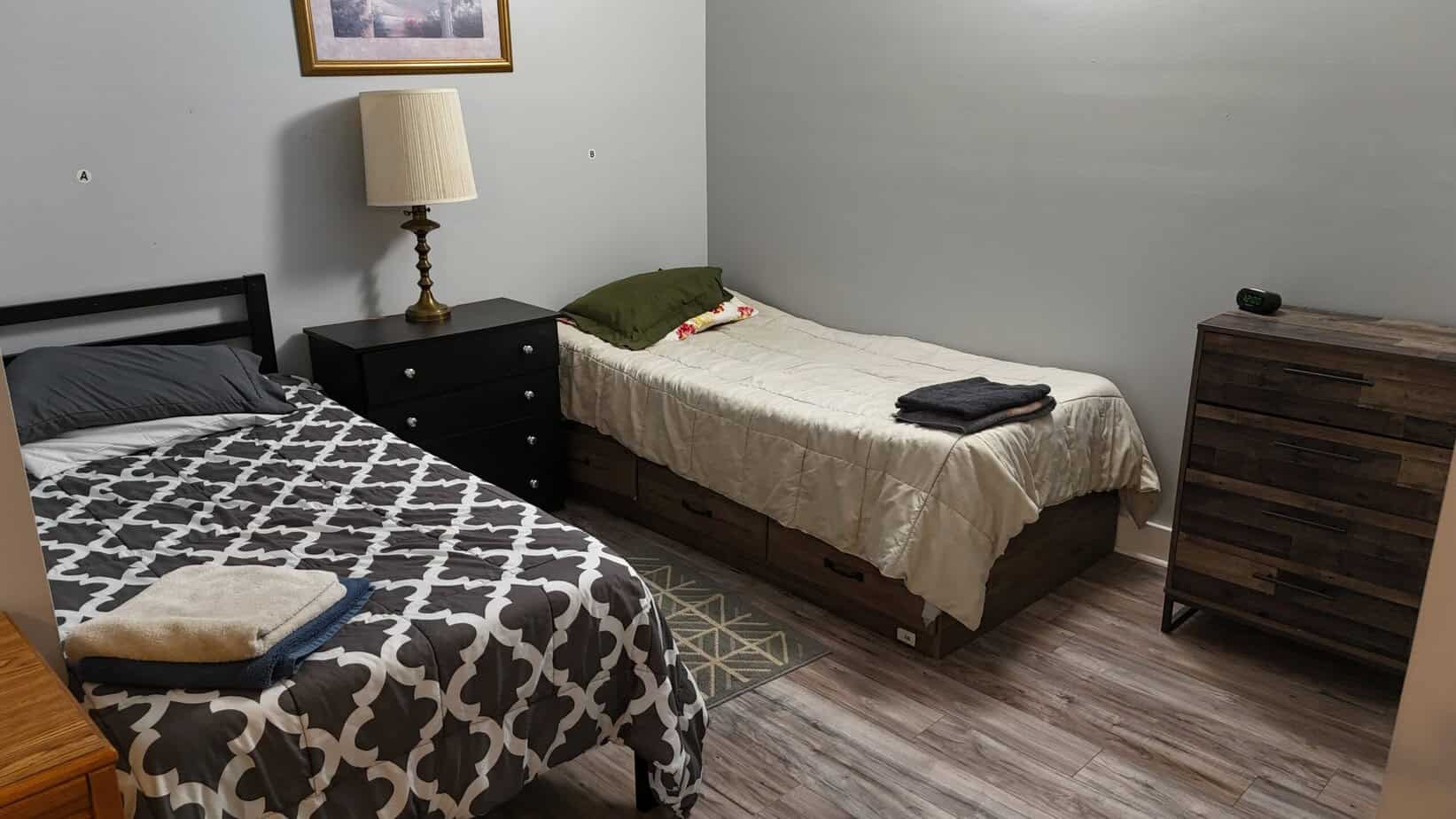
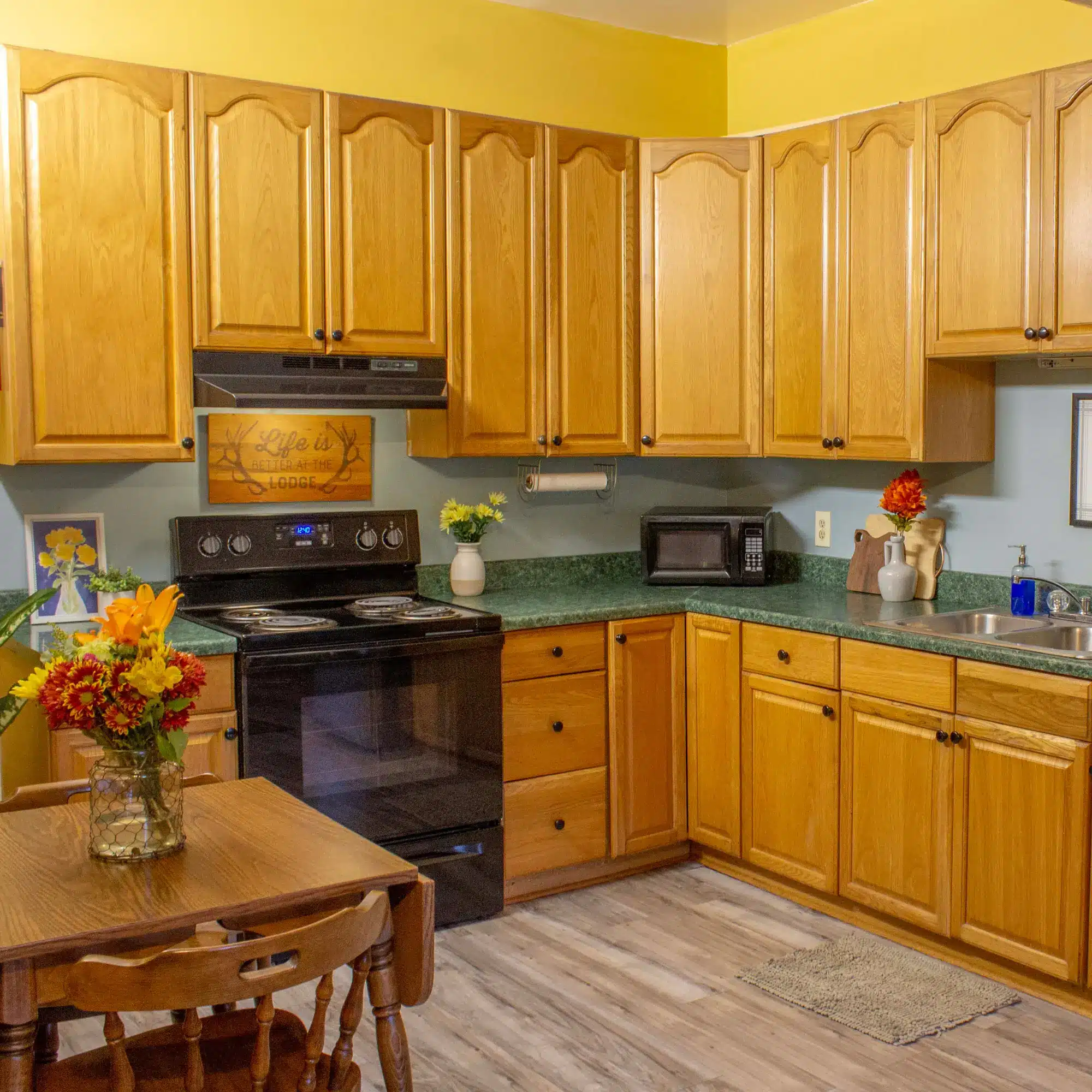
The living situation is a renovated hunting lodge with dorm-style accommodations. All rooms and bathrooms are shared. Private rooms are not available, as the shared living space is designed to foster community and peer support.
Is this a closed/locked facility?
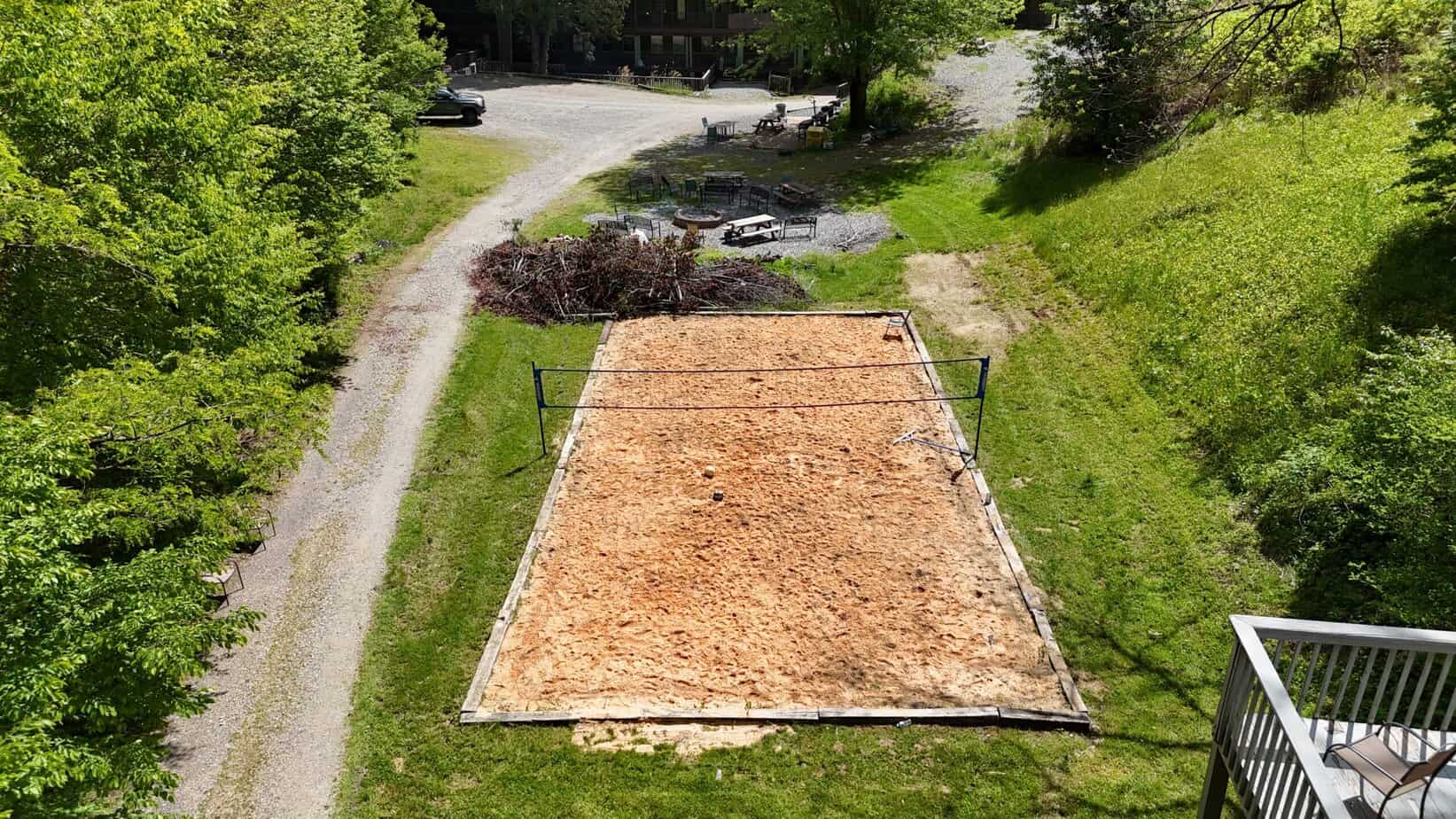
No, it is not a locked facility. However, it is a closed campus. Clients are free to walk around and use the 7-acre property but are not permitted to leave the grounds unless it is for a scheduled activity or an approved 5-hour family pass on Sundays.
Can I use my phone/laptop? Is smoking allowed?
Yes, smoking and vaping are permitted in designated outdoor areas. Regarding electronics, there is a 72-hour blackout period upon arrival. After that, clients are allowed to use their personal cell phones for two hours per day. Laptops are generally not permitted.
What should I bring with me?
When entering a residential rehab program, you should bring only the essentials that support comfort, health, and recovery. This typically includes comfortable, season-appropriate clothing, toiletries without alcohol content (like alcohol-free mouthwash), prescription medications in their original bottles, insurance cards, a small amount of cash for vending machines, a journal or notebook, and phone numbers of loved ones (since personal phones are often restricted). Some facilities also allow reading materials like recovery-oriented books or spiritual texts. Always check your program’s packing list beforehand, as rules vary.
What should I leave at home?
On the other hand, there are items you should not bring to a residential rehab program. These include drugs, alcohol, weapons, or any items that could be used to self-harm. Most centers also prohibit electronics like laptops, tablets, and personal cell phones to minimize distractions. You should avoid clothing with drug or alcohol references, valuables like expensive jewelry, and outside food or drinks. Many centers also restrict perfumes, aerosols, or any products containing alcohol. The general guideline is: if it could trigger relapse, cause conflict, or distract from treatment, it’s best left at home.
What is the difference between inpatient and outpatient addiction treatment?
The key difference between residential rehab and outpatient treatment lies in structure and intensity. In a residential program, you live at the facility full-time, immersing yourself in a highly structured environment with 24/7 support, group therapy, individual counseling, and monitored activities that remove outside distractions. This setting provides stability, accountability, and distance from triggers, making it effective for those with severe addictions or co-occurring disorders. Outpatient programs, by contrast, allow you to live at home while attending therapy sessions and groups at scheduled times. They offer more flexibility, letting you maintain work, school, or family responsibilities, but require stronger self-discipline since you remain in your daily environment with potential access to triggers.
Who provides care here? Are there psychiatrists on staff?
The treatment team consists of licensed counselors, therapists, Nurse Practitioners, and nurses who provide medical and clinical care. They ensure a comprehensive approach to both the physical and mental aspects of recovery.
Who else will be in treatment with me at your facility? What is their occupancy?
The program is co-ed and serves adults (18+) from various backgrounds, most of whom have private insurance. It is an LGBTQ-friendly environment. With a capacity of 40 beds, you will be part of a close-knit community of peers working towards a common goal of sobriety.
What is the family involvement and visitation policy?
Family involvement is encouraged through family therapy sessions. For visits, approved family members or loved ones can pick up clients on Sundays for a five-hour off-site pass, allowing for quality time and reconnection in a real-world setting.
What kind of aftercare and follow-up support is available?
While they do not offer their own step-down programs, the staff provides robust aftercare planning. They assist each client in finding and arranging appropriate aftercare services, such as outpatient programs or sober living homes, to ensure a smooth transition and continued support after discharge.
Ready to Take the Next Step?
Their team is available to answer your questions confidentially.
Call NowAccreditation & Support
Joint Commission
Accredited for quality and safety.
State Licensed (NC)
Licensed by the State of North Carolina.
LegitScript Certified
Verified Healthcare Provider.
Newsweek Awarded
Voted #1 in NC for 2023 & 2024.