
Overview
Bridges of Hope Treatment Center in Anderson, Indiana, offers a comprehensive and integrated approach to recovery for adults facing substance use and co-occurring mental health disorders. This Joint Commission-accredited facility provides a full continuum of care, including Medical Detox, a 28-day Residential Program, and a flexible Virtual Intensive Outpatient (IOP) program. With a dedicated track for military and first responders, Bridges of Hope focuses on creating a supportive, structured environment. The campus setting, complete with dorm-style housing, a gym, and outdoor spaces, fosters a strong sense of community essential for building a foundation for lasting sobriety. Visit their website here.
Facility
Video
Photos


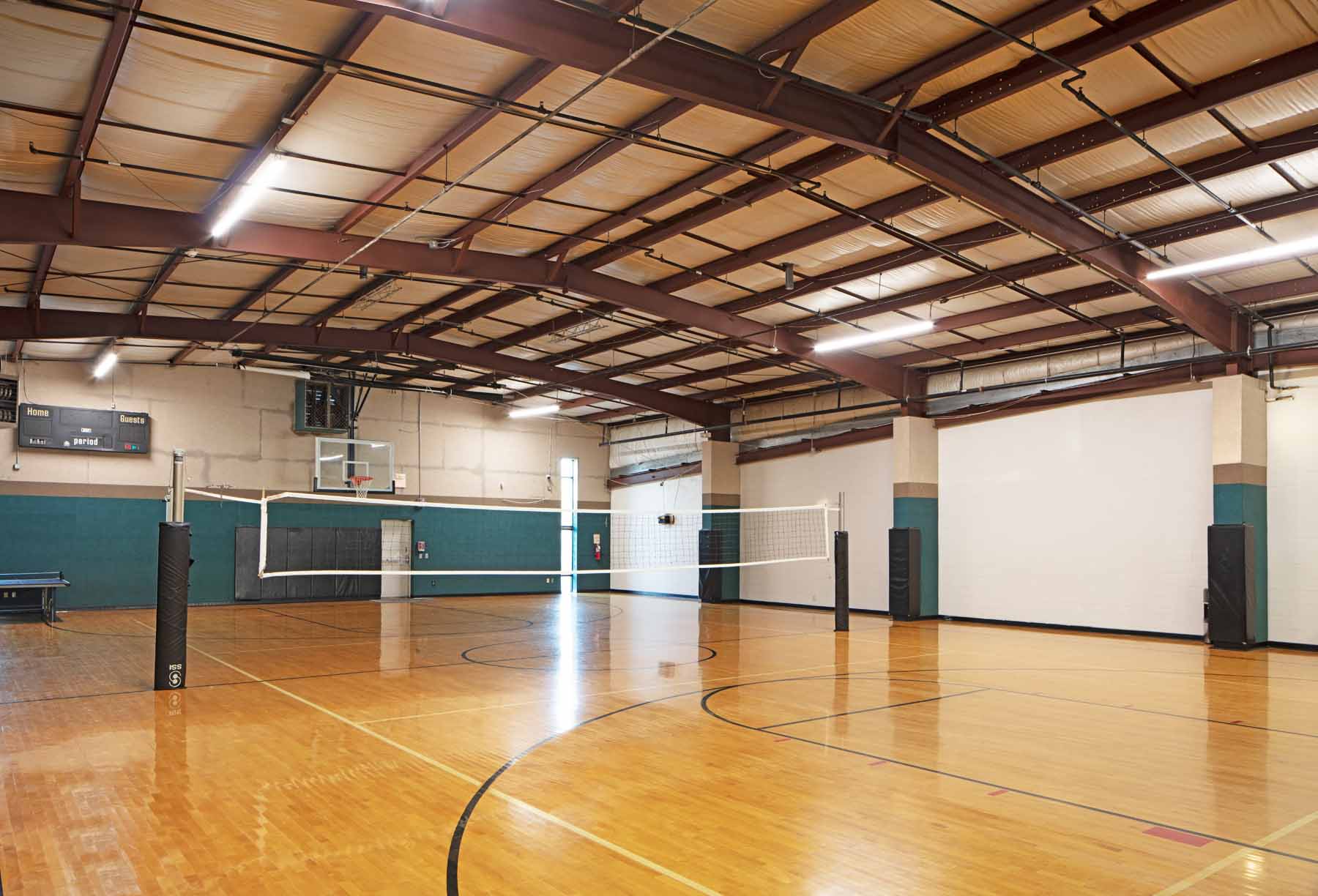

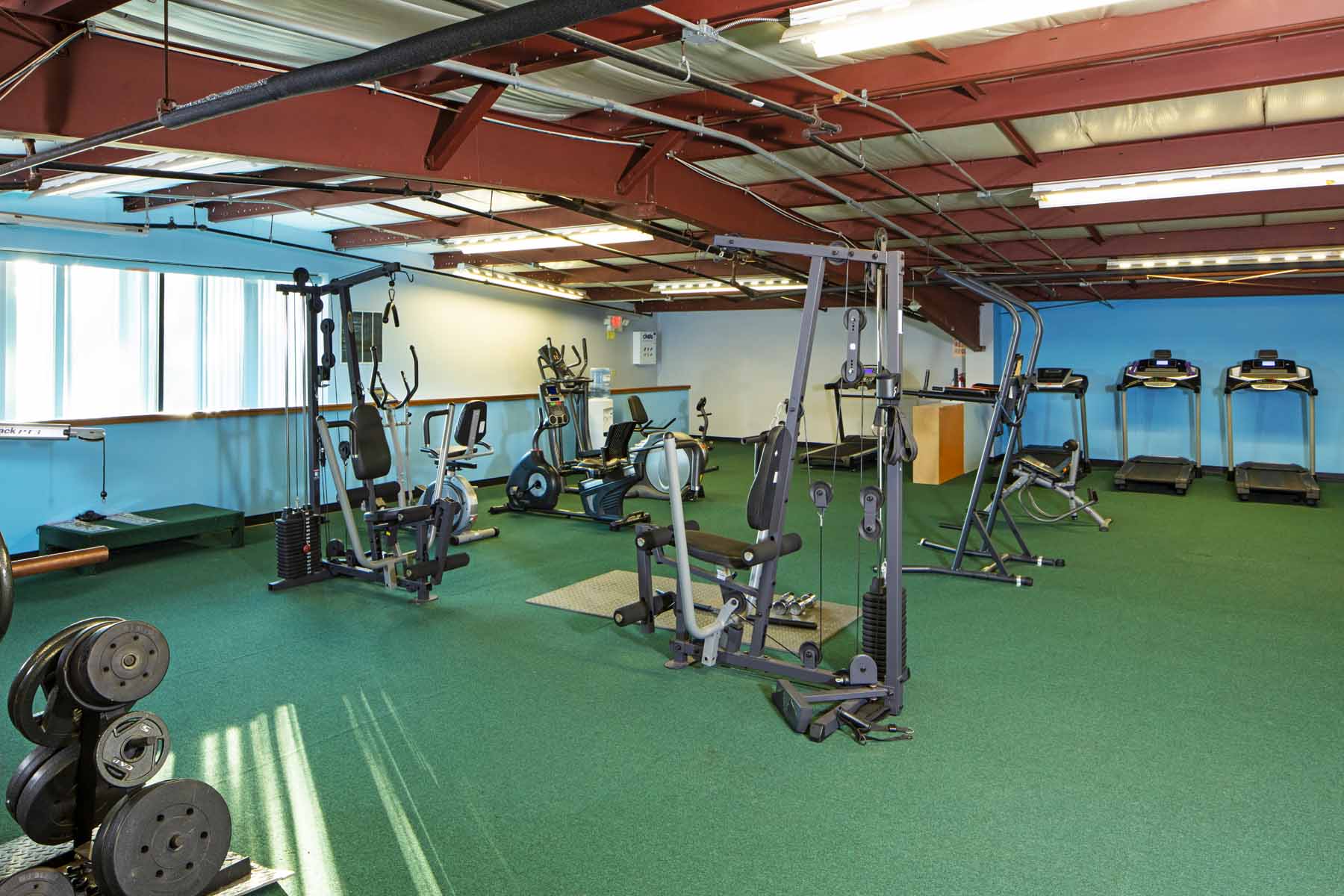

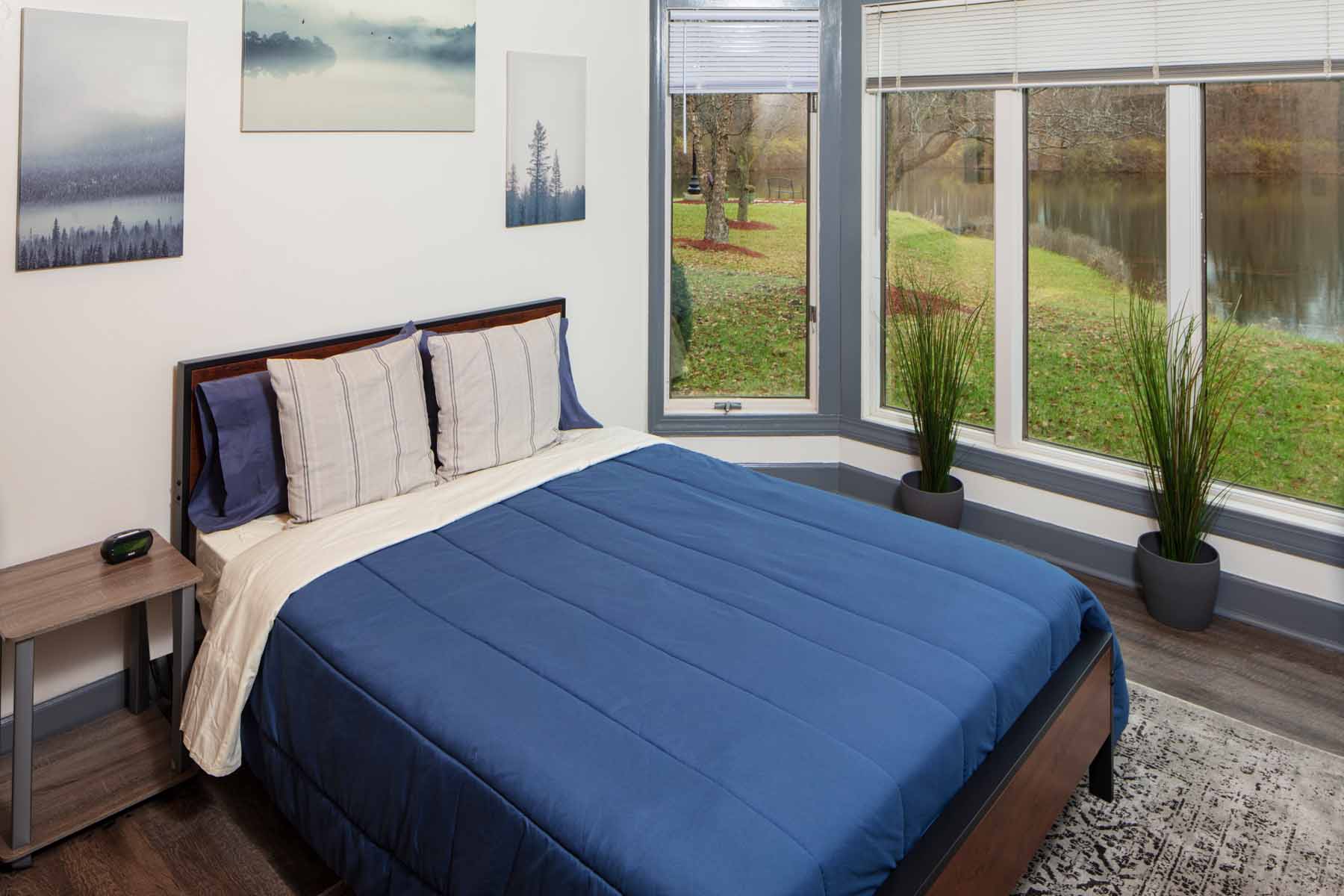
Amenities & Details
Your First Step is a Conversation
Reaching out can feel overwhelming, but you're not alone. The admissions team is here to listen without judgment and help you understand your options.
- Your call is 100% confidential. Speak with Bridges of Hope's admissions.
- There's no commitment to enroll. They're here to answer questions.
- Talk next steps clearly. Discuss costs and what treatment looks like.
Treatment
Levels of Care
Medical Detoxification
Safe withdrawal management.
Residential Program
Immersive inpatient treatment.
Virtual IOP
Flexible online support.
Military & First Responders
Specialized, trauma-informed care.
Approaches
Policies
Medical Clearance
All clients receive a medical assessment upon admission.
MAT Policy
Suboxone is permitted; methadone is restricted to doses below 30mg.
Smoking/Vaping Policy
Allowed in designated outdoor areas.
Electronics Policy
No personal cell phones or laptops are permitted during treatment.
Mandatory Participation
Participation in all scheduled programming is required.
12-Step Openness
Clients should be open to AA/NA meetings and getting a sponsor.
Cost
Payment Structure
Bridges of Hope works with most major private insurance plans. Contact their admissions team for a free benefits check.
Verify Your InsuranceSelf-Pay
Self-pay options are available. Please call to confirm exact pricing.
- Detox Only: $7,500
- Detox + Residential (28 Days): $25,000
- Virtual IOP (7 Weeks): $5,000
Reviews

Based on 274 Google reviews
What Clients Appreciate
-
Compassionate Staff: Staff is consistently described as caring, professional, and genuinely invested in client recovery.
-
Effective Program: Frequently called "life-changing," providing essential tools and structure for sobriety.
-
Supportive Community: The facility, staff, and peers create a "family" atmosphere that fosters healing.
"Bridges of Hope saved my life. Every staff member there is amazing. They all truly care about you and your recovery. I would recommend this place to anyone who struggles with addiction."
"This place not only helped me learn so many valuable tools for my recovery but they treated me like family! Every single staff member I met was amazing, friendly, and genuinely cared about my well being. I’m truly blessed that I got to be a part of this amazing facility and community."
A small number of reviews mention concerns with administrative communication, billing issues post-treatment, or disagreements with specific policies. These are infrequent compared to the volume of positive testimonials.
Location
Address
Bridges of Hope Treatment Center2200 Madison Square
Anderson, IN 46011, USA
Hours
Admissions: 8am - 6pm
Residential programs operate 24/7.
Frequently Asked Questions
Costs & Admission
What will my costs be for treatment?
Costs depend on insurance coverage and level of care. Self-pay estimates are: Detox only for $7,500; a combined Detox and 28-day Residential stay for $25,000; and the Virtual IOP program (18 sessions over 7 weeks) for $5,000.
Do you accept insurance?
Yes, Bridges of Hope works with most major private insurance companies, including BCBS, Aetna, Anthem, Tricare, Humana, and others. Contact their admissions team for a free benefits check.
Do you provide detoxification services?
Yes, they provide on-site medical detox to help clients safely and comfortably manage withdrawal symptoms before beginning the residential program.
Is Suboxone (MAT) permitted?
Yes, Medication-Assisted Treatment (MAT) with medications like Suboxone is permitted. However, they do not accept clients on methadone doses higher than 30mg.
Program & Treatment
Why choose this program? What makes it different?
The center emphasizes its role as "the bridge from hope to healing," with a high priority on client care and an all-inclusive, integrated treatment approach. Testimonials highlight the effective small-group setting and incredible staff.
What substance use disorder treatment programs do you offer?
They offer a full continuum of care including Medical Detox, a 28-day Residential Program, and a Virtual Intensive Outpatient Program (IOP).
How do you treat dual diagnosis / co-occurring disorders?
Yes, their treatment philosophy is based on a "comprehensive and integrated approach to addressing all issues related to substance use disorders and co-occurring mental health issues."
What types of therapies are used?
The program incorporates 12-Step facilitation, family services, group therapy, and individual counseling. Specific therapeutic modalities like CBT or DBT are not explicitly listed. Are you the owner? Claim this listing to complete your profile.
Does this program use the 12-Steps?
Yes, the program is based on the 12-Step model of recovery and integrates these principles into its clinical approach.
Is the program faith-based?
No, the program is not described as faith-based. It follows a clinical, 12-Step model.
How long has this facility been open?
Bridges of Hope was founded in 2012.
What kind of aftercare and follow-up support is available?
Details about a formal aftercare or alumni program are not mentioned on the website. Are you the owner? Claim this listing to add aftercare details.
Daily Life, Rules & Family
How long is the program?
The typical length of stay ranges from 3 to 28 days. Medical detox typically lasts 3-7 days, followed by the 28-day residential program.
What is the living situation like? Can I get my own room?
Clients live in a campus-style setting with dorm-like rooms. You will share a room and bathroom with one other person; private rooms are not available.
Is this a closed/locked facility?
No, the facility is a supervised campus. While clients are free to move about the grounds, they cannot leave without staff supervision. This policy fosters personal responsibility within a safe environment.
Can I use my phone/laptop? Is smoking allowed?
Smoking is permitted in designated outdoor areas. Personal electronics like phones and laptops are not allowed during your stay; they will be stored in a secure locker until discharge. Staff can assist you in retrieving important numbers if needed.
What should I bring? What should I leave at home?
What to Bring:
- ID, insurance card, and debit/credit card
- 7-10 days of comfortable clothing
- Unopened, sealed hygiene products
- Unopened nicotine products (cigarettes, chew)
- Prescribed medications in original bottles
- Journal, recovery literature, list of phone numbers
What to Leave Home:
- Cell phones, laptops, smart watches, any electronics
- Weapons, drugs, or alcohol
- Food, drinks, candy, or gum
- Revealing clothing or clothing with inappropriate references
- Aerosol products, perfume, or products with alcohol
- Vapes, e-cigarettes, or lighters
Who provides care here? Are there psychiatrists on staff?
The specific makeup of the clinical team (e.g., doctors, nurses, therapists) is not detailed on the website. Are you the owner? Claim this listing to provide staff details.
Who will be in treatment with me?
The program is co-ed for adults (18+). The facility has a capacity of 31 beds, creating a small, integrated group environment. You will be around a diverse population of peers who are typically covered by private insurance.
What is the family involvement and visitation policy?
In-person family visits are not permitted. However, the facility offers a "Family Services" program which includes virtual meetings and other forms of involvement to help heal family relationships as part of the recovery process.
Ready to Take the Next Step?
Their team is available to answer your questions confidentially.
Call NowAccreditation & Support
Joint Commission
Gold Seal of Approval
State of Indiana
Licensed Treatment Facility
LegitScript Certified
Verified Healthcare Provider