
Maryland Addiction Recovery Center
Long-Term, Community-Based Addiction Treatment in Maryland

4.2
(170 Google reviews)
Overview
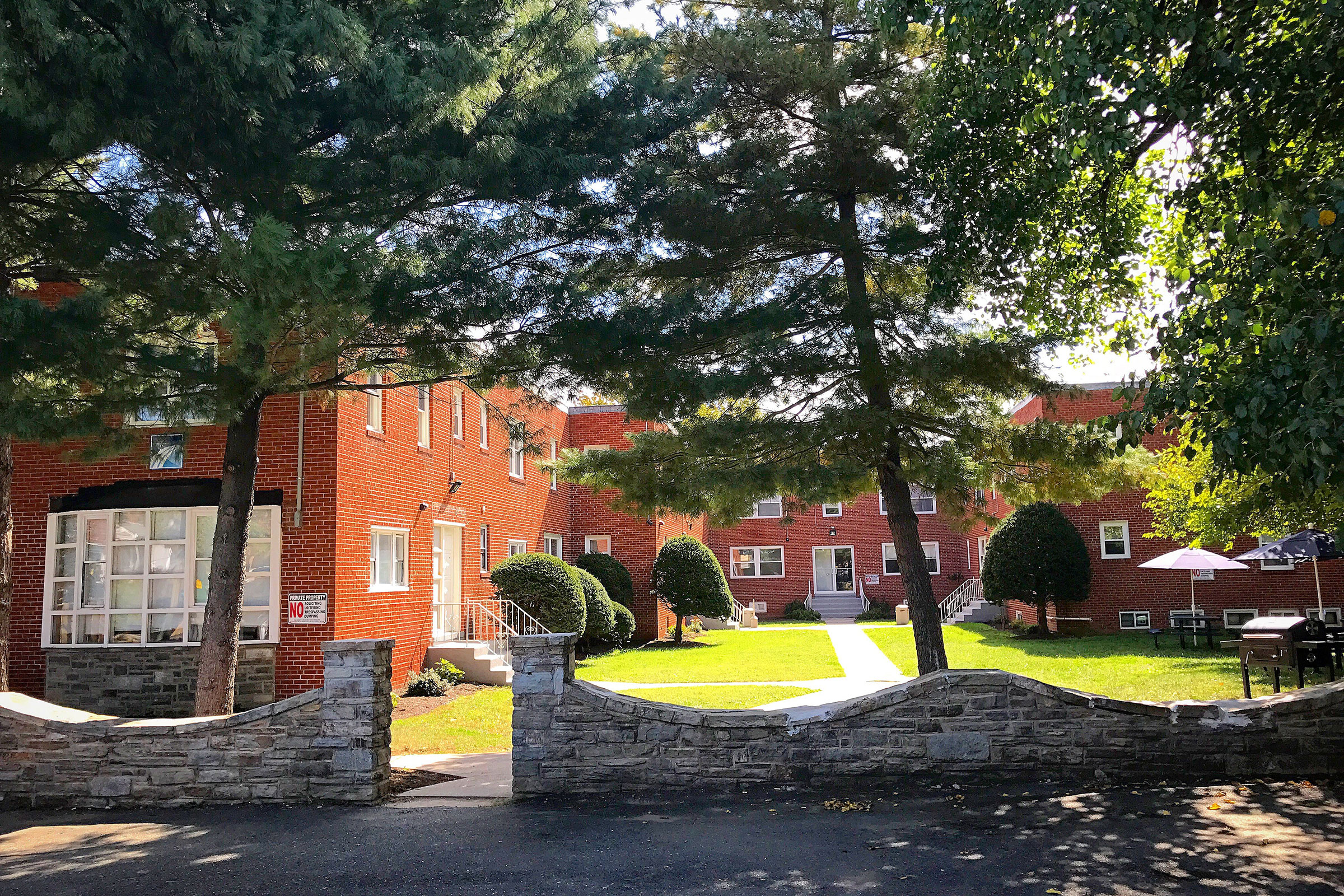
Located in Towson, Maryland Addiction Recovery Center (MARC) offers a distinctive, long-term approach to addiction treatment centered on community integration. Following the "Florida Model," MARC provides a phased continuum of care where clients live in comfortable, gender-specific apartment-style housing while participating in treatment. This model allows adults struggling with substance use and co-occurring disorders to learn and practice real-world recovery skills. With a residential capacity of 30-35 clients and a strong emphasis on evidence-based therapies, 12-Step principles, and robust family support, MARC focuses on building a foundation for sustainable, long-term recovery. Visit their website here.
Facility
Video
Photos




Amenities & Details
Your First Step is a Conversation
Reaching out can feel overwhelming, but you're not alone. The admissions team is here to listen without judgment and help you understand your options.
- Your call is 100% confidential. Speak with MARC's admissions.
- There's no commitment to enroll. They're here to answer questions.
- Talk next steps clearly. Discuss costs, insurance, and what treatment looks like.
Treatment
Levels of Care Offered
Residential Community Living
Phase 1: Building a foundation.
Outpatient with Housing
Phase 2: Practicing recovery.
Sober Living
Phase 3: Sustaining sobriety.
Approaches
Policies
Open Campus Model
Not a locked facility to promote real-world integration.
MAT Policy
Suboxone/Vivitrol supported on a case-by-case basis.
Smoking/Vaping Allowed
Permitted in designated outdoor areas during breaks.
Electronics Policy
No personal cell phones during initial residential phase.
Visitation Policy
30-day "blackout," then family visits are permitted.
12-Step Encouraged
Daily AA/NA meetings are a core part of the program.
Cost
Insurance Accepted
MARC is an in-network provider with Kaiser Permanente. They also work as an out-of-network provider with all other major commercial insurance carriers. They do not accept Medicaid.
Enquire About CostsSelf-Pay
Self-pay options are available. Please call to confirm exact pricing.
- Residential (Month 1): $20,500
- Residential (Month 2): $19,000
- Residential (Month 3+): $18,000
- Outpatient (Per Month): $6,250
- Sober Living (Per Week): $200
Reviews
Based on 170 Google reviews
What Clients Appreciate
Compassionate Staff: Reviewers consistently describe the staff as dedicated and genuinely invested in their clients' success.
Effective Model: The long-term, community-integration model is praised for teaching real-world life skills.
Strong Community: Many clients credit MARC with saving their lives and highlight the strong sense of community.
"MARC was an incredible place for my loved one in recovery. We are so appreciative of the love and care the staff provided to the whole family. The staff there does life changing work for so many!"
"I am writing in high praise for the Maryland Addiction Recovery Center (MARC), its staff and its co-founder and Executive Director Sam Bierman. Our daughter is now completing the program and is in her ninth month of sobriety through these collective efforts and the perseverance of our daughter."
View additional context from reviews
While reviews for MARC are overwhelmingly positive, a few critical reviews mention issues with disorganization or poor communication, inconsistent experiences with certain staff members, and concerns about the high cost of treatment.
Tip: The program's success often hinges on a client's willingness to commit to a long-term treatment model and engage with the community-based approach.
Location
Address
Maryland Addiction Recovery Center8600 Lasalle Rd #212
Towson, MD 21286
Hours
Admissions: Mon-Fri, 8am - 5pm
Residential programs operate 24/7.
Frequently Asked Questions
Program & Treatment
Why choose this program? What makes it different?
MARC distinguishes itself with a long-term, community-integration model. Unlike isolated "bubble" environments, patients actively practice living in recovery while in treatment, aiming to make the transition out of the program seamless and sustainable.
What substance use disorder treatment programs do you offer?
MARC offers a three-phase program: Phase 1 (Residential/Community Living), Phase 2 (Outpatient with Housing), and Phase 3 (Sober Living). This continuum of care is designed for long-term treatment of addictions to alcohol, opioids, stimulants, and other substances.
How do you treat dual diagnosis / co-occurring disorders?
MARC treats co-occurring disorders through an integrated care model. Individualized, evidence-based therapies are used to address both substance use and mental health conditions like Depression, Anxiety, PTSD, Bi-Polar Disorder, ADHD, and OCD simultaneously.
What types of therapies are used?
MARC uses a variety of evidence-based therapies, including Cognitive Behavioral Therapy (CBT), Dialectical Behavioral Therapy (DBT), Creative Arts Therapy, Motivational Interviewing (MI), Trauma Therapy, Vocational Support, and Psychoeducation.
Does this program use the 12-Steps?
Yes, the 12-Steps are a core component. While the clinical treatment is evidence-based, clients attend AA/NA meetings every night and are required to engage with a support group as part of their recovery plan.
Is the program faith-based?
No, the program is clinically focused and not explicitly faith-based, making it suitable for individuals of all belief systems.
How long has this facility been open?
Maryland Addiction Recovery Center was founded in 2013.
Cost & Admission
What will my costs be for treatment?
Self-pay costs are estimates. Phase 1 (Residential) is $20,500 for the first month, $19,000 for the second, and $18,000 for each month after. Phase 2 (Outpatient) is $6,250 per month, and Sober Living is $200 per week. It is best to call for an exact quote based on your coverage.
Do you accept insurance?
Yes, MARC is an in-network provider with Kaiser Permanente and an out-of-network provider for all other major commercial insurance companies.
Do you provide detoxification services?
No, MARC does not provide on-site detoxification. Clients must be medically stabilized before admission. The admissions team can help coordinate detox services if needed.
Is Suboxone (MAT) permitted?
Yes, the program is MAT-friendly. On a case-by-case basis, they may incorporate medications like Suboxone, Vivitrol, or Sublocade, with a preference for injectable options.
Daily Life & Rules
How long will I be there?
MARC is a long-term program. The length of stay is based on individual progress, but typically Phase 1 (Residential) lasts 3-4 months, followed by Phase 2 (Outpatient) for about 6 months, with the option for continued Sober Living.
What is the living situation like? Can I get my own room?
Clients live in comfortable, apartment-style housing. All rooms are semi-private, meaning you will have one roommate. Private rooms are generally not available, as peer support is a key part of the community model.
Is this a closed/locked facility?
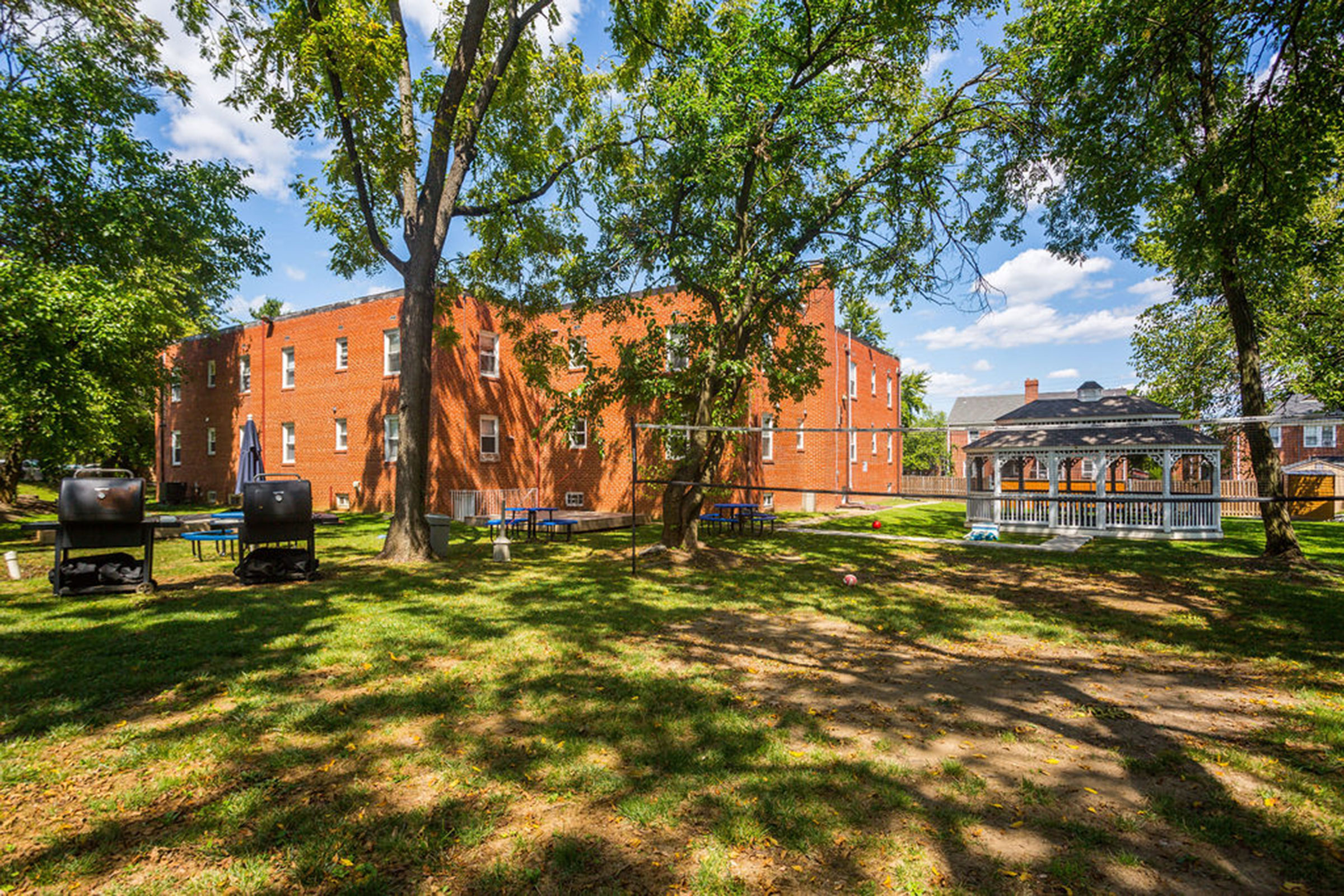
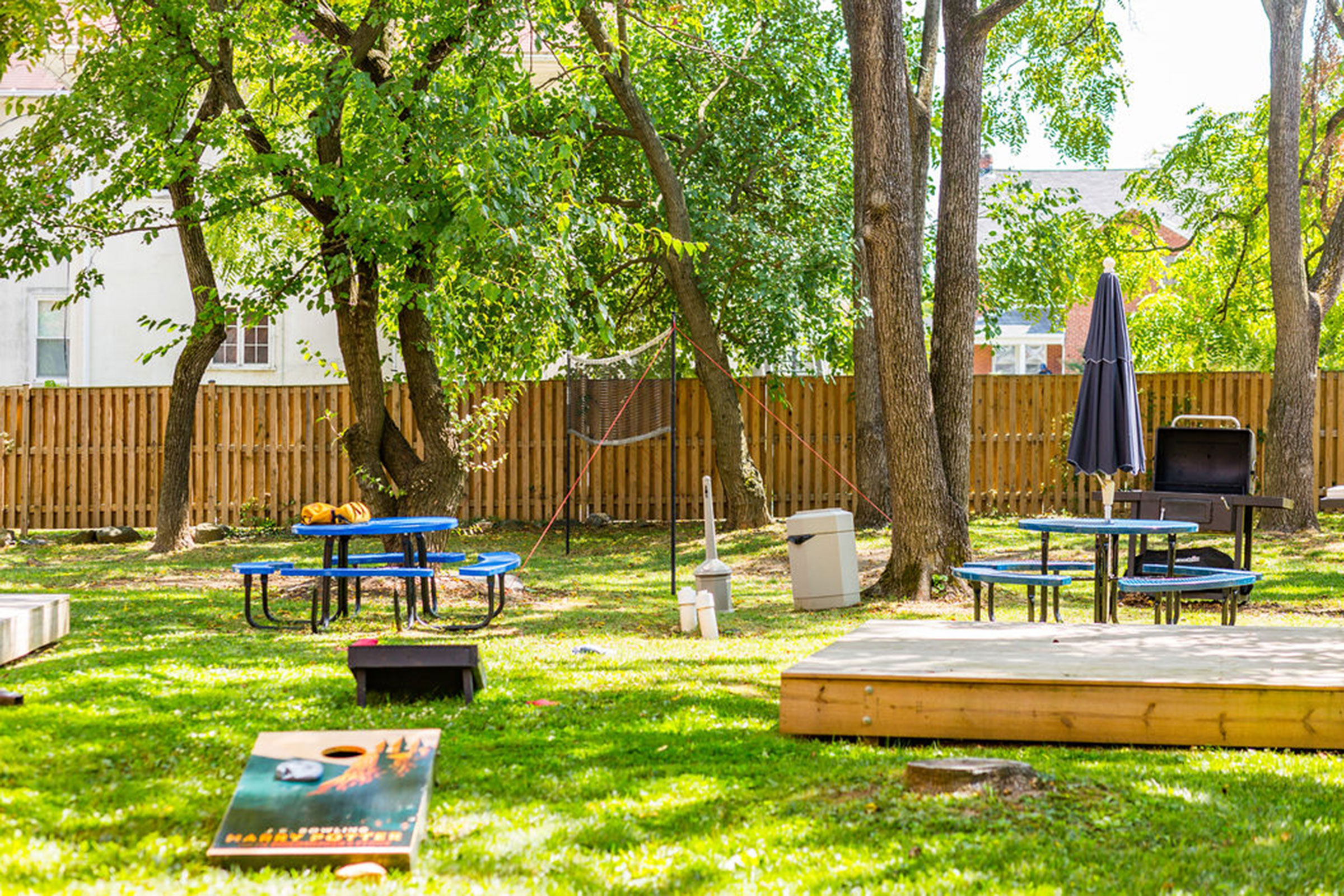
No, it is an open campus. Clients are expected to stay on-site but can be outdoors in designated areas. Off-site activities are permitted when accompanied by staff. This model is designed to teach recovery skills in a real-world context.
Can I use my phone/laptop? Is smoking allowed?
Yes, smoking and vaping are permitted in designated outdoor areas. Personal cell phones and laptops are not allowed during Phase 1 to ensure focus on treatment. Access is permitted in later phases of the program.
What should I bring? What should I leave at home?
Bring: Comfortable clothing, personal hygiene items (unopened, alcohol-free), ID and insurance cards, medications, and personal comfort items like photos or books.
Leave at home: Any substances, weapons, aerosol products, revealing clothing, and video game consoles. Laptops/phones may be allowed in later phases.
Support, Staff & Community
Who provides care here? Are there psychiatrists on staff?
Care is provided by a multidisciplinary team of therapists and doctors. A psychiatrist and a Nurse Practitioner are on staff to handle psychiatric care and medication management.
Who will be in treatment with me?
The program is for co-ed adults (18+). The client population primarily consists of individuals with private insurance, including many with Kaiser Permanente. Group sizes are small (3-12 people), while the residential apartments house 30-35 clients in total.
What is the family involvement and visitation policy?
MARC has a robust Family Program. There is an initial 30-day "blackout" period with no visits to allow the client to focus on stabilization. After this period, family visits and therapy sessions are encouraged and scheduled.
What kind of aftercare and follow-up support is available?
MARC offers a strong Alumni program that provides continuous community involvement, peer support, events, and encouragement to help graduates maintain their sobriety long-term.
Ready to Take the Next Step?
Their team is available to answer your questions confidentially.
Call NowAccreditation & Support
Joint Commission
Gold Seal of Approval
State Licensed (MD)
Licensed by the State of Maryland