
The Recovery Village Kansas City
Comprehensive Drug and Alcohol Rehab near Kansas City

4.6
(176 Google reviews)
Overview
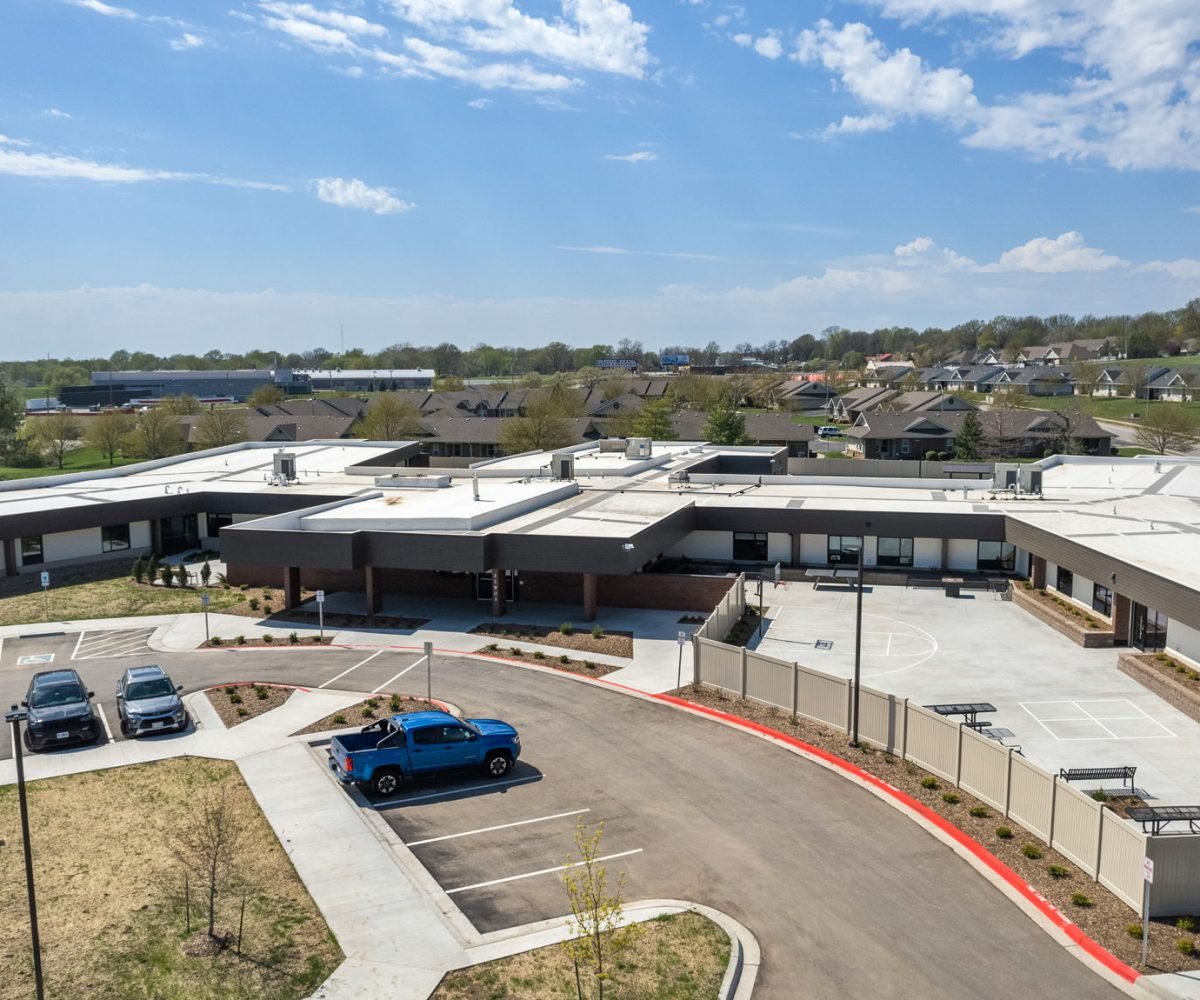
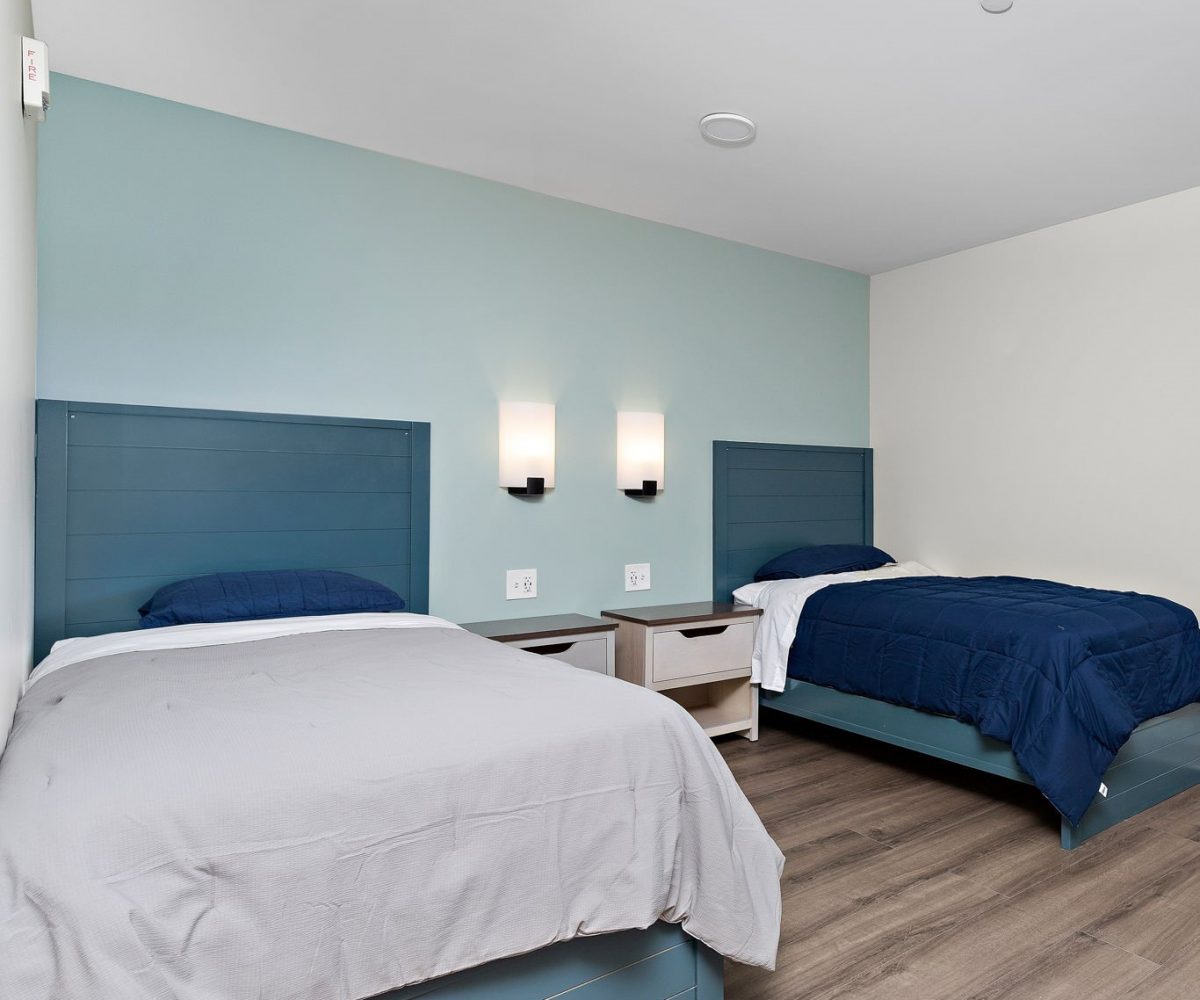
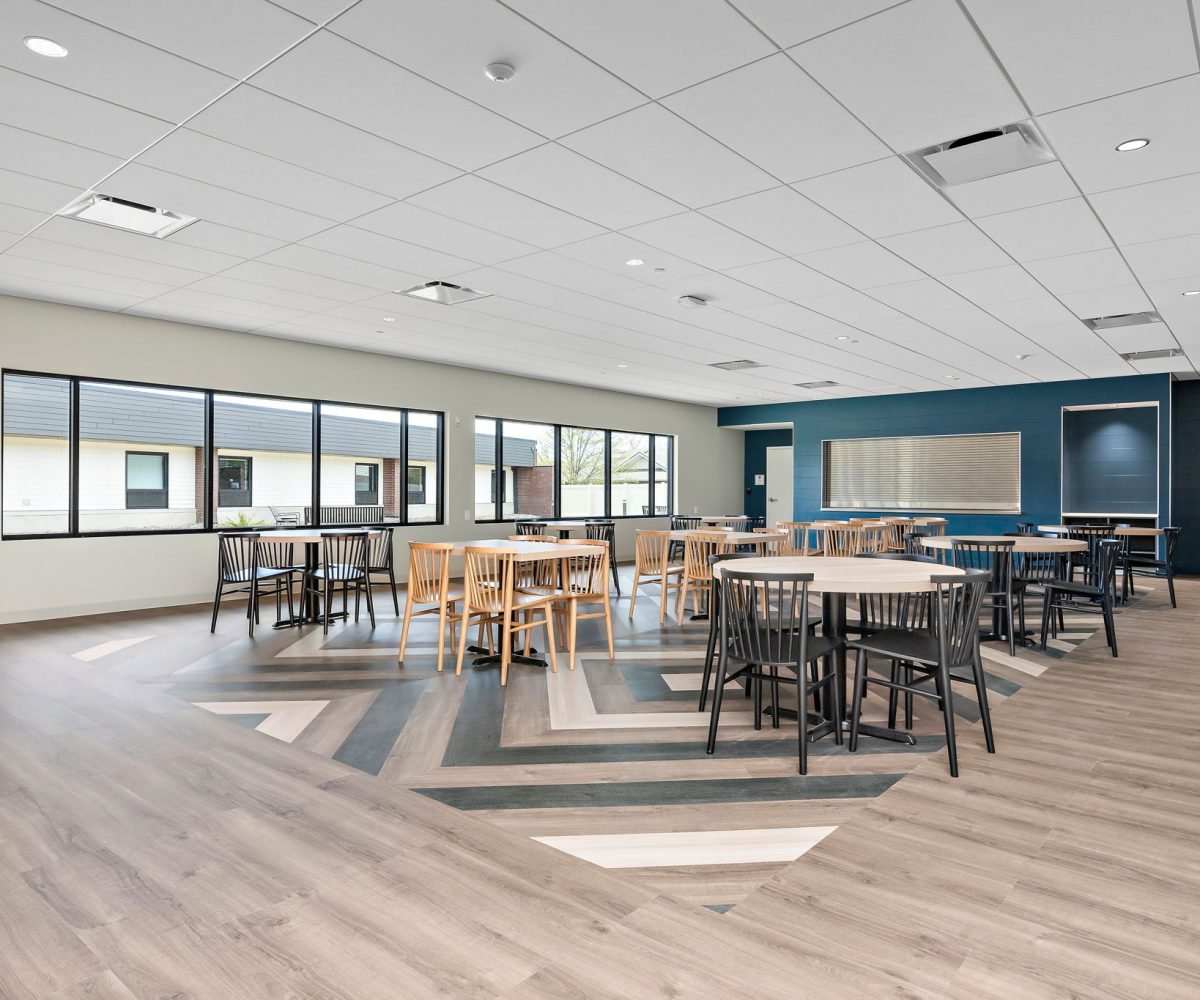
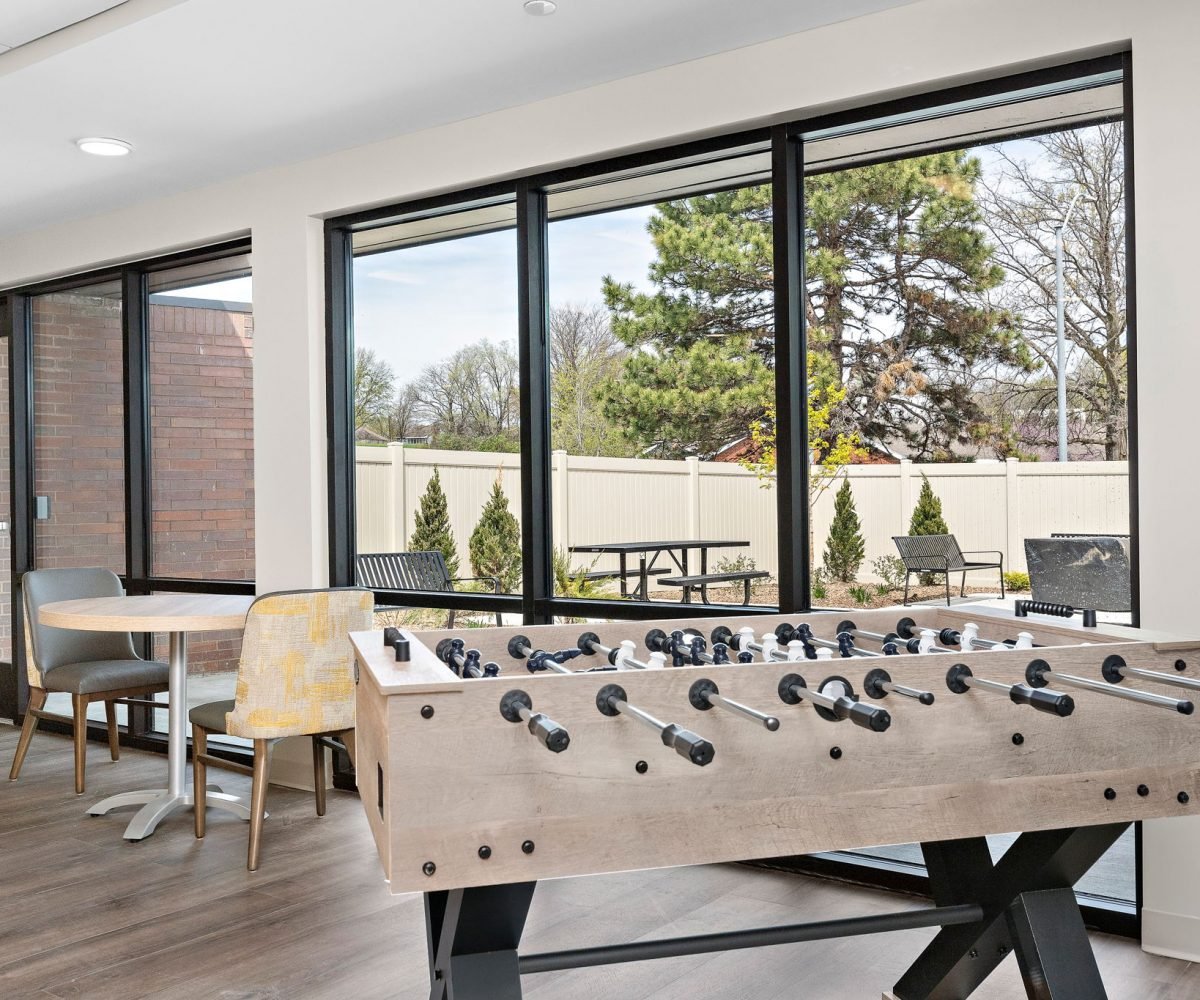
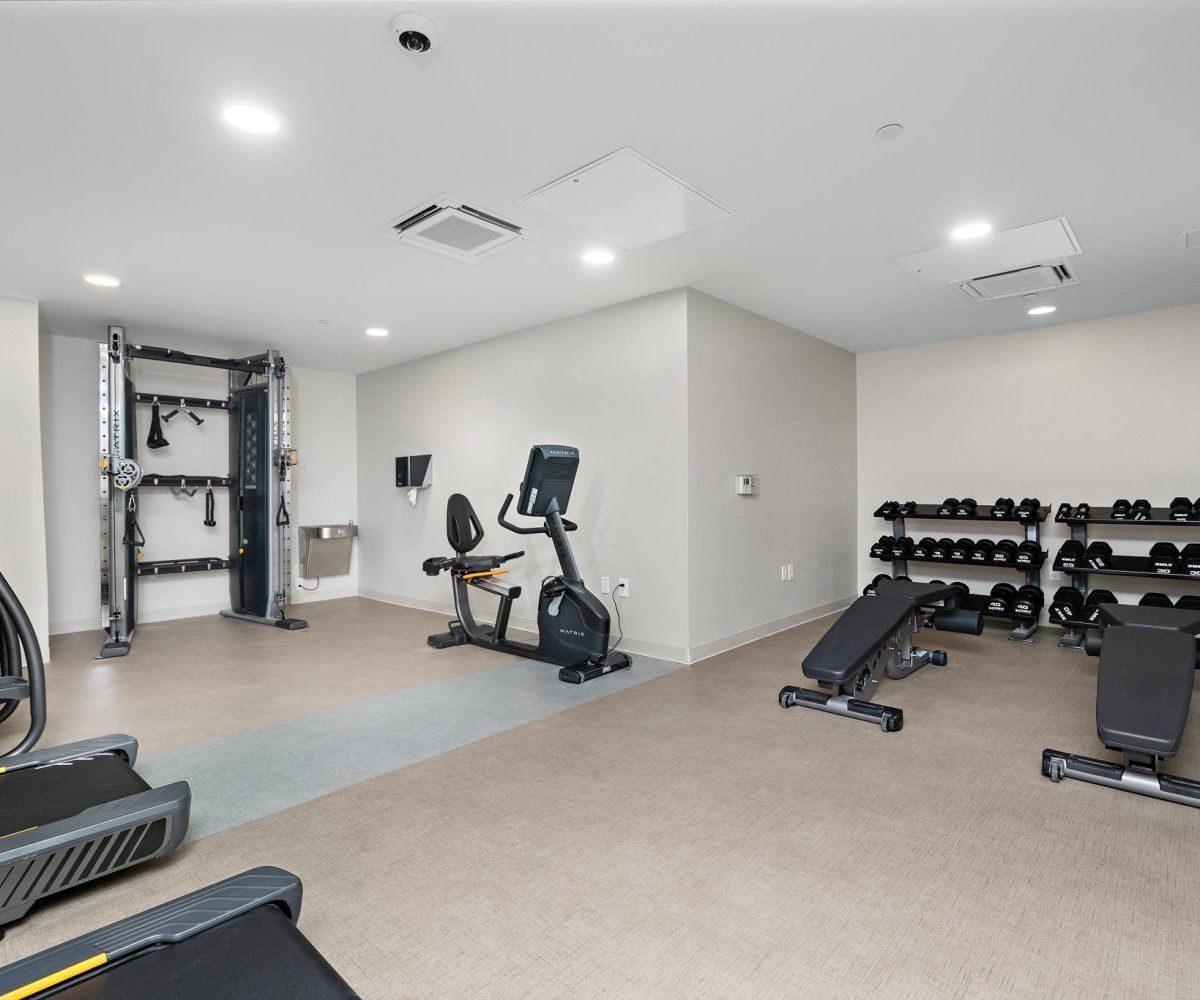
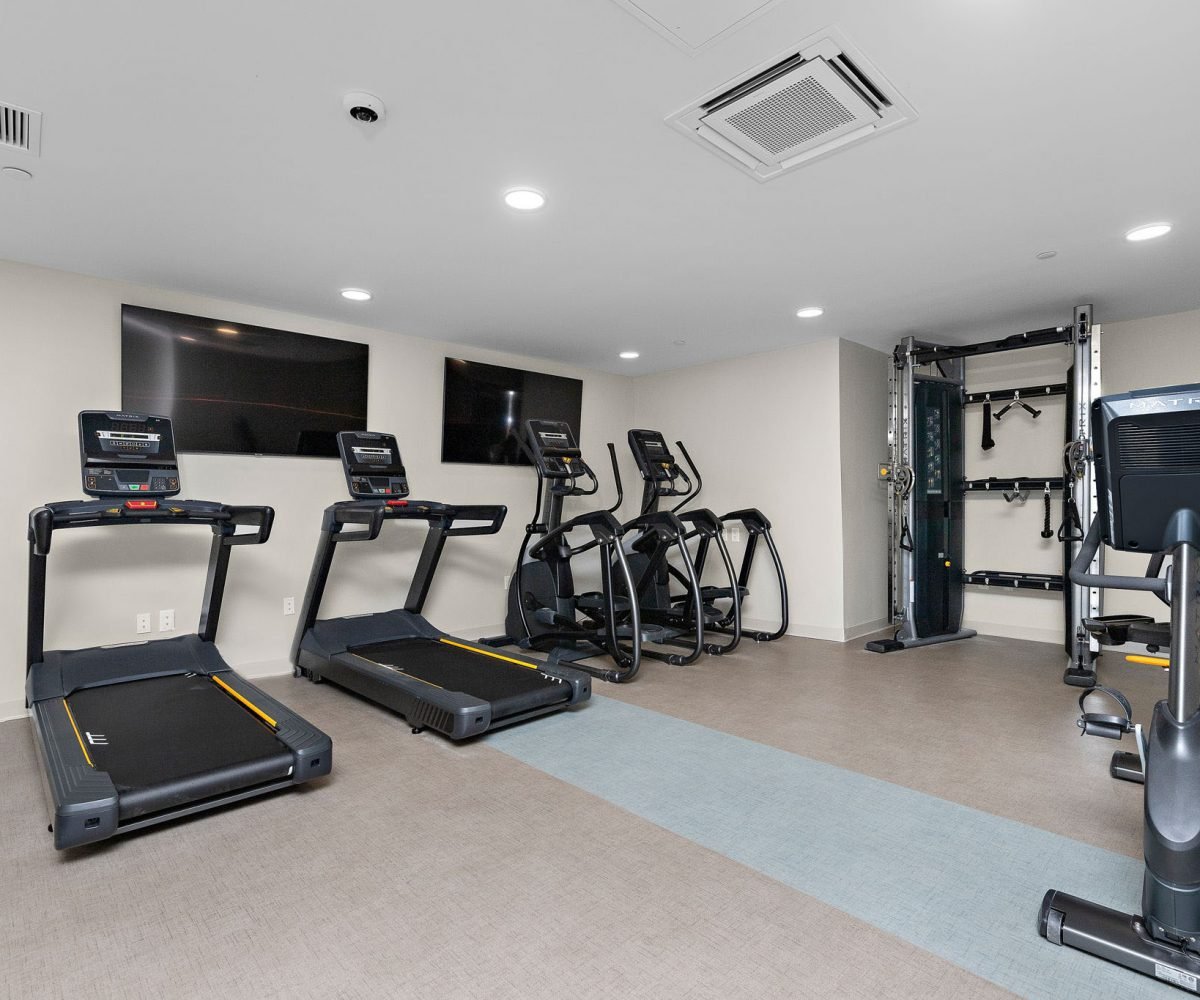
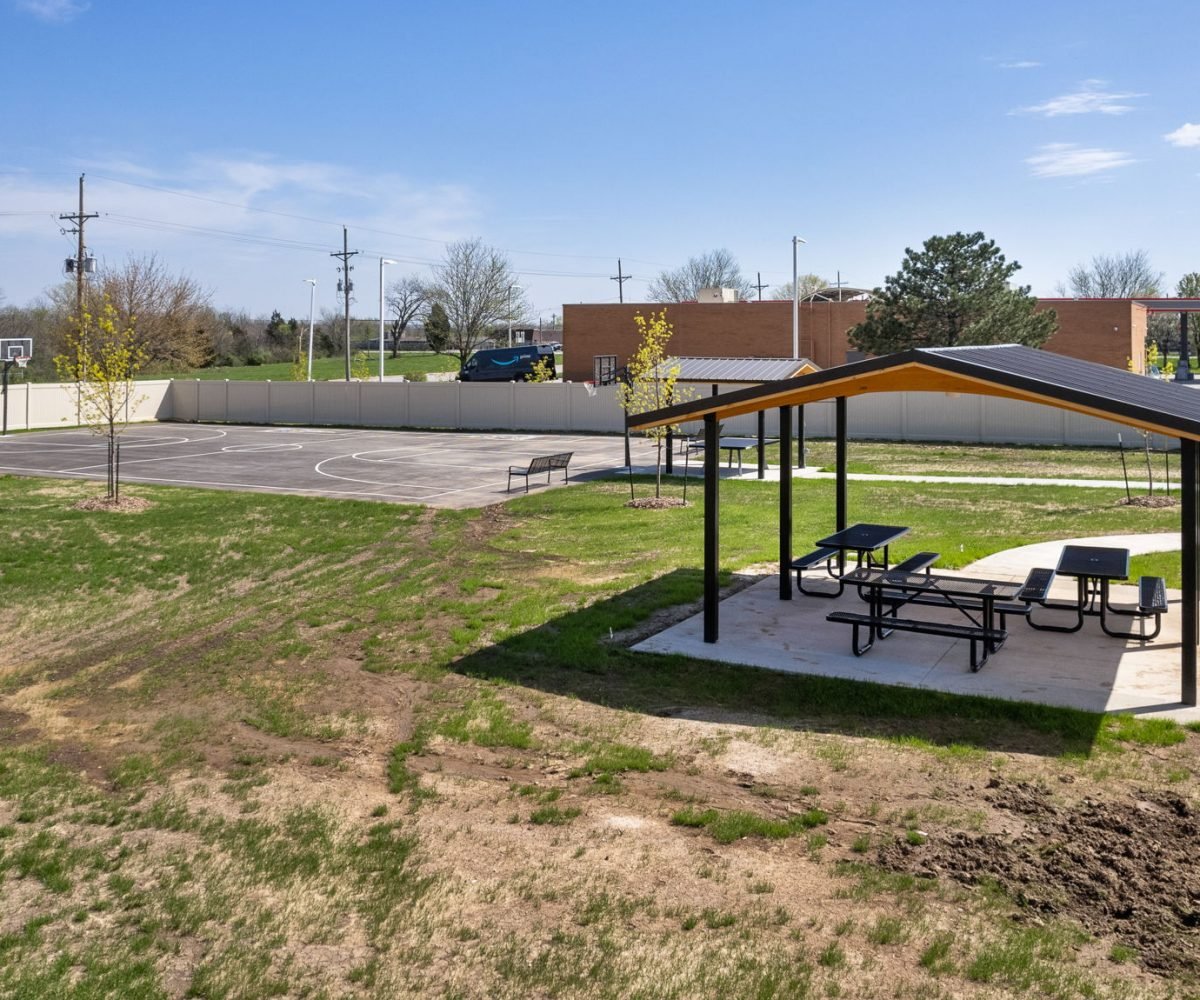
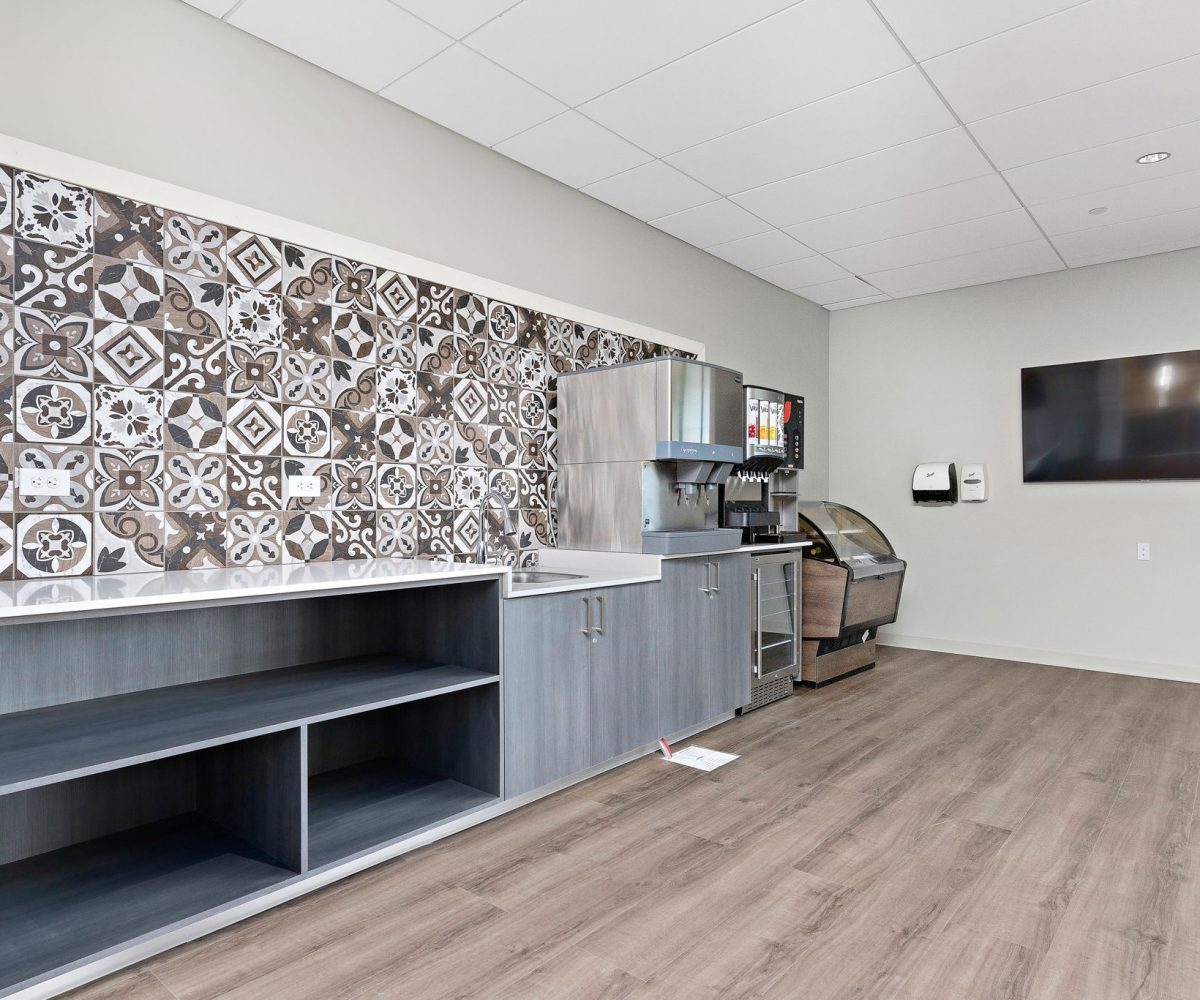
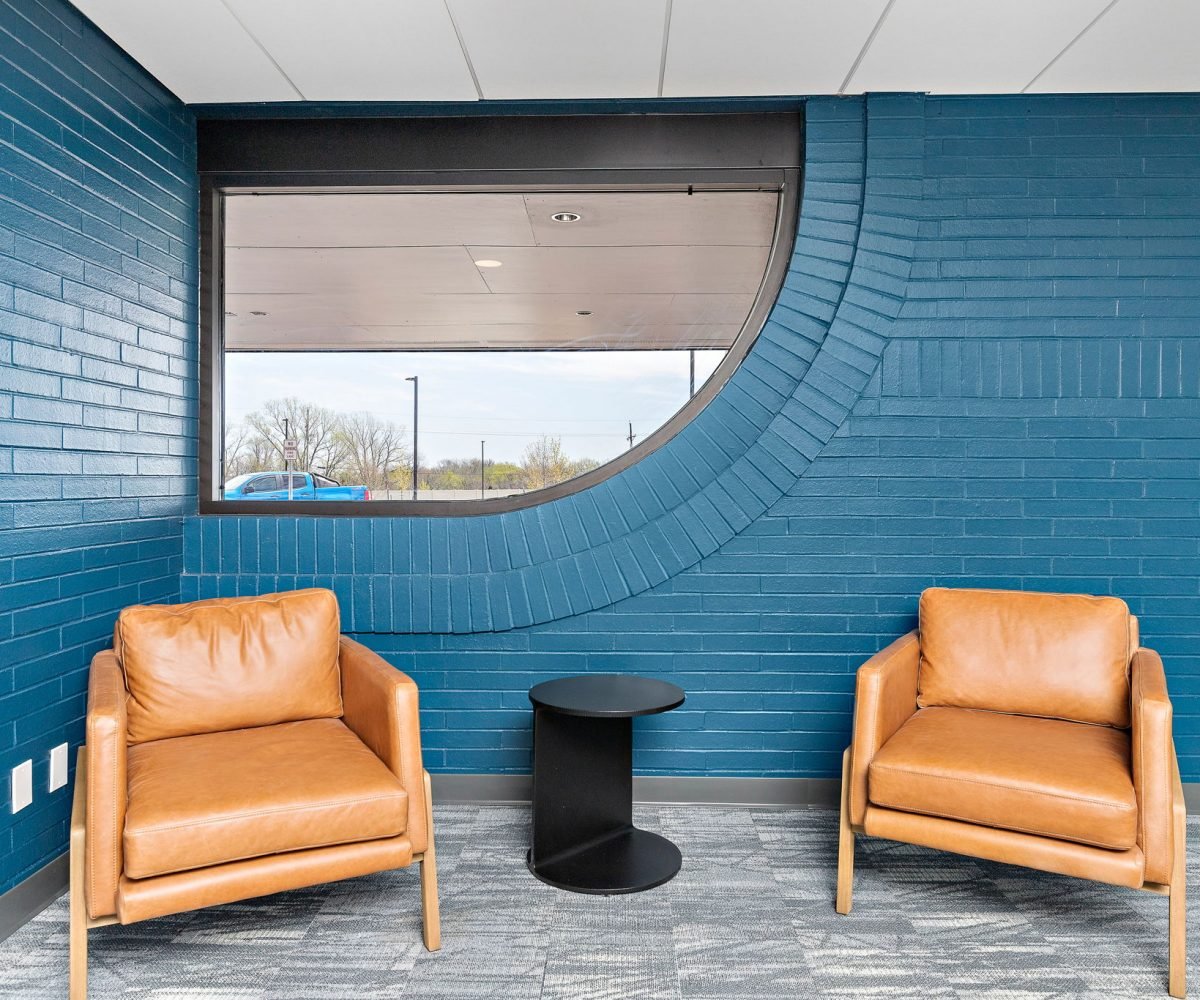
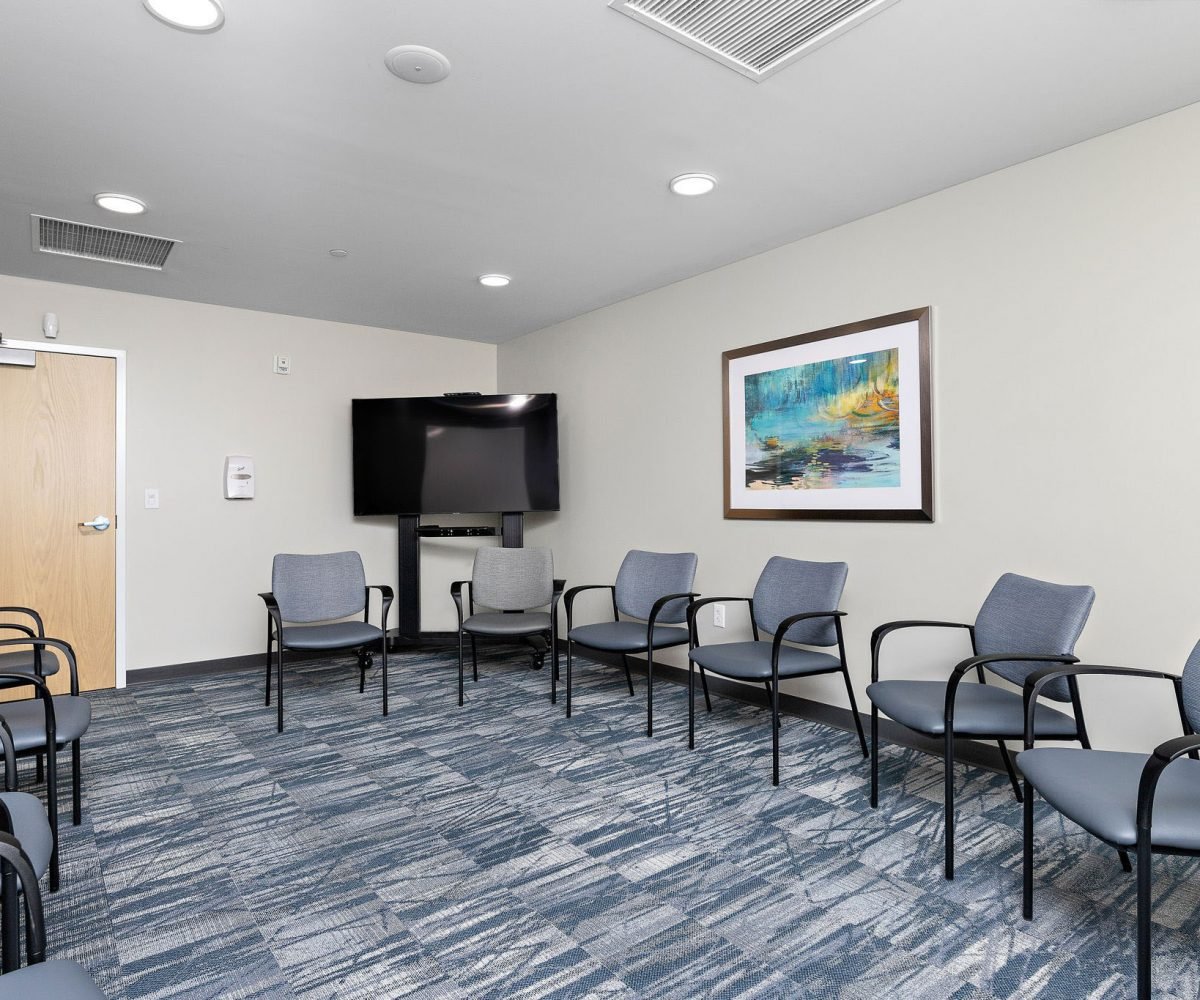
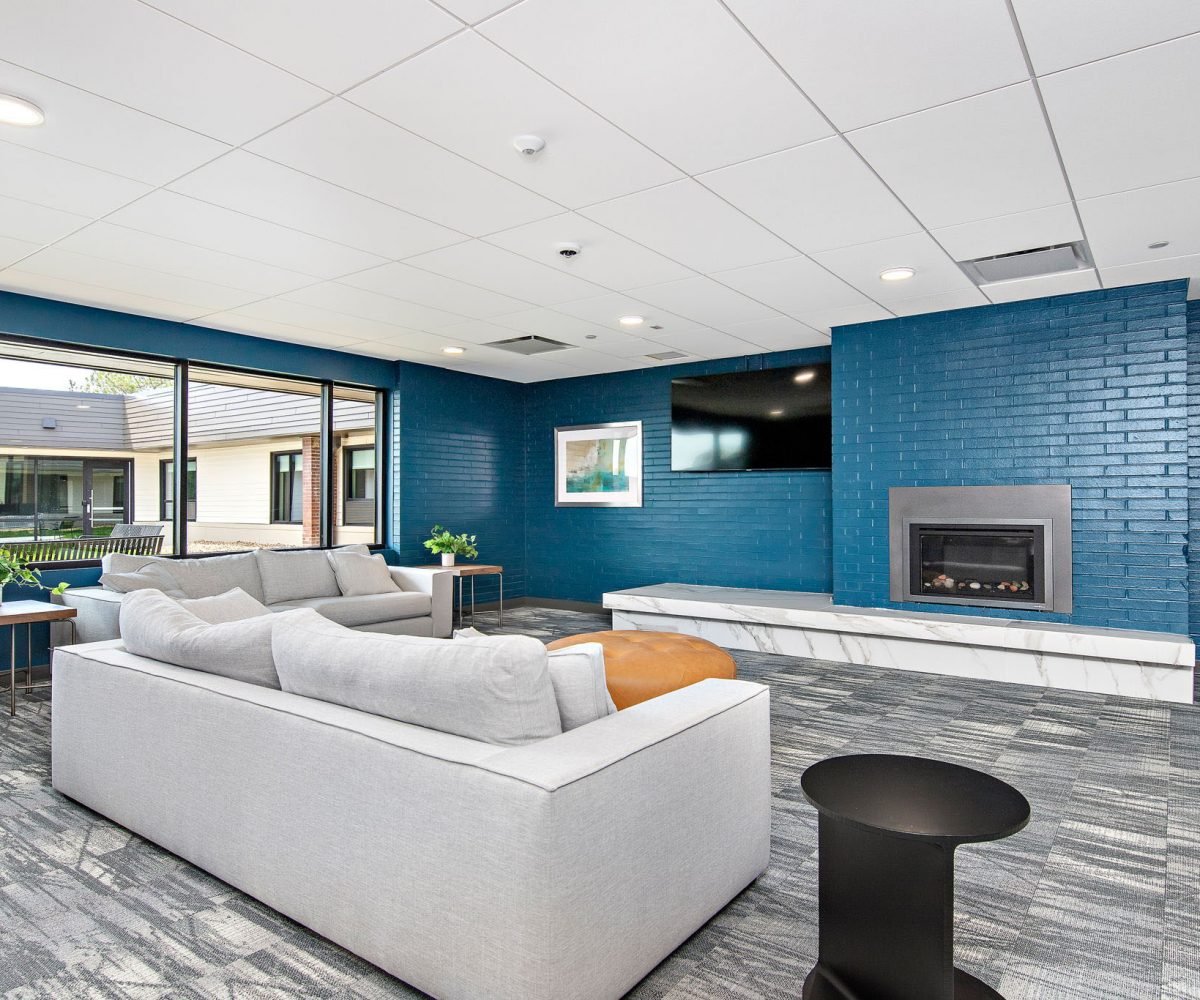
Located in Raytown, The Recovery Village Kansas City is a premier addiction treatment center situated on a large, 40,000-square-foot campus. With an 80-bed capacity, the center fosters a vibrant peer-support network in a comfortable environment with a "home feel." The program is co-ed, with gender-specific dorm-style rooms to ensure client comfort and privacy. They provide a full spectrum of physician-led care, from medically supervised detox to residential and outpatient programs. With a strong emphasis on the 12-Step philosophy and integrated treatment for co-occurring mental health disorders, Recovery Kansas City offers a structured and supportive setting for healing, ensuring each client receives the tools needed for lasting recovery. Visit their website here.
Facility
Video
Photos
Amenities & Details
Your First Step is a Conversation
Reaching out can feel overwhelming, but you're not alone. The admissions team is here to listen without judgment and help you understand your options.
- Your call is 100% confidential. Speak with The Recovery Village's admissions.
- There's no commitment to enroll. They're here to answer questions.
- Talk next steps clearly. Discuss costs and what treatment looks like.
Treatment
Levels of Care
Medical Detoxification
Safe, Medically-Supervised Withdrawal.
Residential Treatment
Immersive, Structured Inpatient Care.
Outpatient Programs (PHP/IOP)
Flexible Care for Sustainable Sobriety.
Approaches
Policies
Open Campus
Not a locked facility; clients remain on grounds.
MAT Policy
Medication-Assisted Treatment (e.g., Suboxone) is supported.
Smoking/Vaping Allowed
Permitted in designated outdoor areas.
Electronics Policy
Phones allowed after initial 72-hour detox period.
Family Contact & Visits
Family visits are permitted and encouraged.
Prohibited Items
Drugs, alcohol, weapons, and inappropriate items are not allowed.
Cost
Insurance Accepted
The Recovery Village Kansas City works with most major private insurance plans and also accepts Medicaid in some cases. Contact their admissions team for a free, confidential benefits verification.
Verify Your InsuranceSelf-Pay
For clients paying out-of-pocket, these are estimates. Please call to confirm exact pricing.
- Residential (30 Days w/ Detox): $24,000
- PHP (Per Day): $900
- IOP (Per Week): $900
Reviews
Based on 176 Google reviews
What Clients Appreciate
-
Caring Staff: Highlighted as compassionate and genuinely invested in client recovery.
-
Quality Facility: The structured program, clean environment, and good food are frequently praised.
-
Supportive Community: Many clients felt safe, supported, and part of a "family," crediting the center with providing essential tools for a new life.
"I just want to thank recovery village for helping me recover mentally!!! I don’t know where I would be if it wasn’t for recovery village. They really helped. From the staff miss Rhonda the receptionist always made me smile and was courteous!!!"
"Recovery Village literally changed my life. I’m so grateful for all of the staff there. From the counselors, techs and nurses to the chef and dining staff. They allowed me to focus on my recovery while handling all of life’s messy details."
View additional context from reviews
A minority of reviews mention concerns with communication between staff shifts and occasional inconsistencies in rule enforcement. Some former clients felt that the follow-up and aftercare planning could be more robust, and a few noted that their experience was highly dependent on the specific counselors and techs they interacted with.
Location
Address
The Recovery Village Kansas City11901 Jessica Ln
Raytown, MO 64138, USA
Hours
Admissions: 8am-5pm
Residential programs operate 24/7.
Frequently Asked Questions
Program & Treatment
Why choose us? What makes it different than other addiction treatment centers?
We stand out with our physician-led programs that ensure the highest level of medical care, personalized treatment plans tailored to each individual, and the ability to provide same-day admissions for those in urgent need of help.
What substance use disorder treatment programs do you offer?
We offer a full continuum of care including Medical Detox, Residential (Inpatient) Treatment, Partial Hospitalization (PHP), and Intensive Outpatient (IOP)/Aftercare for drug and alcohol addiction.
How do you treat dual diagnosis / co-occurring disorders?
Dual diagnosis is treated through an integrated approach, addressing both the substance use and mental health symptoms simultaneously to promote holistic healing and reduce the likelihood of relapse.
What types of therapies do you use in your addiction treatment programs?
Our programs utilize evidence-based therapies including Cognitive Behavioral Therapy (CBT), which focuses on changing negative thought patterns, and Dialectical Behavior Therapy (DBT), which helps manage emotions and reduce harmful behaviors.
Does this program use the 12-steps?
Yes, our program is 12-Step structured. We hold daily meetings and incorporate the principles of 12-Step recovery into our overall treatment philosophy.
Is the program faith-based?
No, our program is clinically focused and based on the 12-Step model, not a specific religious faith. We welcome individuals from all spiritual backgrounds.
How long has this facility been open?
Recovery Kansas City began offering addiction treatment services in 2023.
Cost & Admission
What will my costs be for treatment?
Costs vary based on the level of care. For self-pay clients, a 30-day residential stay is estimated at $24,000 (including detox). PHP is around $900/day, and IOP is about $900/week. Please call our admissions team for a precise quote based on your needs and insurance coverage.
Do you accept insurance for substance use disorder treatment?
Yes, we work with most major private insurance providers. While we are not a state-funded facility, we do accept Medicaid in some cases, although it is not common.
Do you provide detoxification services?
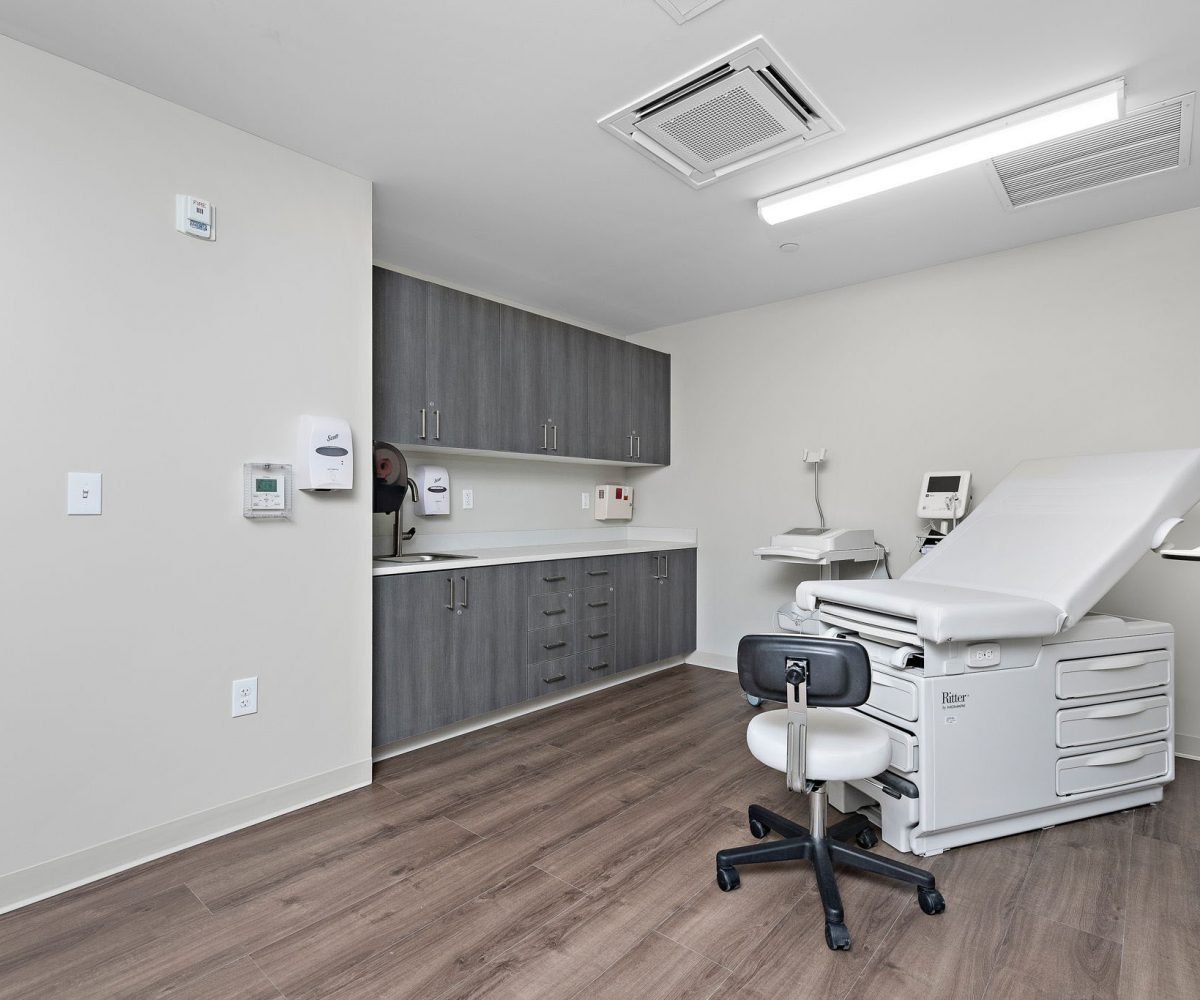
Yes, we provide medical detox with 24/7 supervision from our team of doctors and nurses to ensure a safe and managed withdrawal process.
Is Suboxone (MAT) permitted?
Yes, we support Medication-Assisted Treatment (MAT). The use of medications like Suboxone is permitted when clinically appropriate and is integrated into a client's comprehensive treatment plan.
Daily Life & Rules
How long will I be there?
The typical length of stay for our residential program is between 30 and 45 days, depending on individual clinical needs and progress.
What is the living situation like? Can I get my own room?
The living quarters are comfortable with a home-like feel. Clients stay in dorm-style, shared rooms. Private rooms and bathrooms are not available, as the shared living arrangement is designed to foster peer support and community.
Is this a closed/locked facility?
No, it is an open campus, not a locked facility. While clients are not locked in, they are expected to remain on campus grounds for the duration of their residential stay to maintain a safe and focused treatment environment.
Can I use my phone/laptop? Is smoking allowed?
Yes, smoking and vaping are permitted in designated outdoor areas. Regarding electronics, there is a 72-hour phone blackout during detox. Afterward, clients have full access to their cell phones outside of scheduled group and therapy times.
What should I bring with me?
When preparing for a stay at a residential treatment facility, it's generally a good idea to pack about a week's worth of comfortable, casual clothing that you can layer, along with appropriate sleepwear and outerwear for the season. You should also bring essential personal hygiene items in their original, unopened containers, ensuring they are alcohol-free. It's wise to have a list of important phone numbers, your ID, insurance card, and any prescription medications in their original bottles with the correct labels. For downtime, you might be allowed to bring a book, a journal, and a few photos of loved ones to keep you grounded and motivated.
What should I leave at home?
It is equally important to know what to leave behind to ensure a safe and focused treatment environment. You should leave all non-prescribed medications, illegal substances, and alcohol at home. Most facilities prohibit weapons of any kind, including pocket knives. To minimize distractions and maintain confidentiality, electronics like laptops are often not permitted. It's also advisable to leave valuable items such as expensive jewelry, large amounts of cash, and revealing or inappropriate clothing at home. Finally, avoid bringing outside food, drinks, or any products containing alcohol, such as certain mouthwashes or perfumes.
Support, Staff & Community
Who provides care here? Are there psychiatrists on staff?
Care is provided by a multidisciplinary team of licensed professionals. Our staff includes a medical doctor, nurses, and therapists. While the website does not specifically list psychiatrists or psychologists, our physician-led team is equipped to handle co-occurring mental health disorders.
Who else will be in treatment with me? What is their occupancy?
Our program is designed for co-ed adults (18+) from various backgrounds, primarily with private insurance. With an 80-bed capacity, you will be part of a sizable and diverse community of peers all working toward the common goal of recovery.
What is the family involvement and visitation policy?
Family involvement is an important part of the recovery process. We permit family visits on campus and encourage loved ones to participate in the healing journey.
What kind of aftercare and follow-up support is available?
We offer comprehensive aftercare support, including our step-down Intensive Outpatient Program (IOP). Our team also helps create relapse prevention plans, provides medical referrals, and connects clients with community support groups to ensure a smooth transition and continued sobriety.
What is the difference between inpatient and outpatient addiction treatment?
The fundamental difference between inpatient and outpatient addiction treatment lies in the patient's residency during the program. Inpatient, or residential, treatment requires a patient to live full-time at the treatment facility, providing a highly structured and supportive environment with 24/7 medical supervision. This model is generally recommended for individuals with severe addictions, co-occurring mental health disorders, or unstable home environments, as it removes them from potential triggers and allows them to focus solely on their recovery. In contrast, outpatient treatment allows a patient to live at home while attending scheduled therapy sessions and programs at a clinic. This more flexible approach is suitable for those with mild to moderate addictions, a strong support system at home, and responsibilities like work or school that they need to maintain. While inpatient care offers an immersive and intensive experience, outpatient care focuses on integrating recovery skills into a patient's daily life.
Ready to Take the Next Step?
Their team is available to answer your questions confidentially.
Call NowAccreditation & Support
State Licensed (MO)
Licensed by the State of Missouri
LegitScript Certified
Verified Healthcare Provider