
The Hope Center
12-Step Based Addiction Treatment in Kentucky

3.6
(221 Google reviews)
Overview
The Hope Center in Lexington, Kentucky, offers a no-frills, highly structured path to recovery for adults battling substance use disorder. This functional program operates from an open campus in an urban setting, providing separate dormitory-style facilities for men and women, each with a capacity of around 22 beds. With a strong foundation in the 12-Steps and Recovery Dynamics, this program provides a complete continuum of care, from medical detox to residential treatment and transitional living. As a 501(c)3 non-profit and a primary Medicaid facility, the Hope Center is dedicated to serving those most in need, including unemployed and court-ordered individuals. The program emphasizes personal responsibility, peer support, and a rigorous daily schedule to help clients build a new life in sobriety. Visit their website here.
Facility
Video
Photos
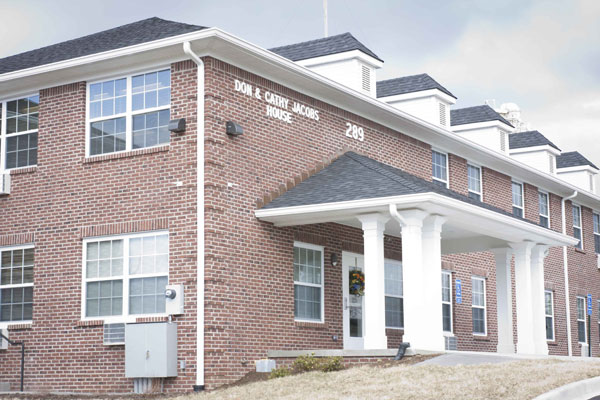


Amenities & Details
Your First Step is a Conversation
Reaching out can feel overwhelming, but you're not alone. The admissions team is here to listen without judgment and help you understand your options.
- Your call is 100% confidential. Speak with Hope Center's admissions.
- There's no commitment to enroll. They're here to answer questions.
- Talk next steps clearly. Discuss costs and what treatment looks like.
Treatment
Levels of Care
Medical Detoxification
A safe and supervised start.
Residential Program
Immersive 12-Step foundation.
Transitional Living
Practicing recovery in the real world.
Approaches
Policies
Structured Schedule
6:30 AM wake-up, full day of classes.
Smoking/Vaping Allowed
Permitted in designated outdoor areas.
No Electronics
No personal cell phones or laptops.
Family Visitation
Permitted on weekends after 2 weeks.
MAT Policy
Vivitrol is permitted for clients.
Employment Rule
No work in Phase 1; required for Phase 2.
Cost
Payment Structure
The Hope Center's primary mission is to provide care to those in need, regardless of ability to pay. They are a Kentucky Medicaid provider, and most clients will have their treatment covered entirely.
Enquire About CostsSelf-Pay
While Medicaid is preferred, self-pay options are available. Please call to confirm exact pricing and arrangements.
- 28-Day Residential Program: $3,000 - $6,000
Reviews
Based on 221 Google reviews
What Clients Appreciate
-
Life-Saving Structure: Many credit the program's structure with saving their life and providing essential tools for recovery.
-
Accessibility: Praised for being accessible to the homeless and those without financial resources.
-
Effective for the Willing: Those who embrace the 12-Step model and strict rules report high effectiveness.
"This is a recovery program and lives up to its name "Hope Center," helping those who can't help themselves anymore with a place to stay, food and programs that will help them in the recovery."
"Fantastic place gave me my life back and I built a fellowship of brothers that will last a lifetime thank you to the staff and the clients that helped me thru my journey there."
View additional context from reviews
Common complaints revolve around staff being perceived as rude, unprofessional, or inconsistent. The strictness of the rules is a frequent point of criticism, and some feel the environment is more like a shelter or punitive system than a therapeutic one.
Tip: Success at the Hope Center often depends on a client's readiness to accept a highly structured, no-frills, 12-step immersion program.
Location
Address
Hope Center289 West Loudon Avenue
Lexington, KY 40508, USA
Hours
Admissions: Mon-Fri, 9am - 6pm
Residential programs operate 24/7.
Frequently Asked Questions
Program & Treatment
Why choose this program? What makes it different?
The Hope Center offers a low-cost, highly structured, 12-step based program designed for those who are serious about recovery. Its focus on personal responsibility, community integration through AA/NA, and its status as a Medicaid facility make it accessible to anyone, regardless of their financial situation. It is a no-frills program dedicated to its mission of helping people recover.
What substance use disorder treatment programs do you offer?
The Hope Center provides Medical Detox, a 28-day Residential program (Phase 1), Intensive Outpatient (IOP) classes, and a Transitional Sober Living program (Phase 2).
How do you treat dual diagnosis / co-occurring disorders?
The program's primary focus is on treating substance use disorder through the 12-step model. While they have nurses and social workers on staff to manage general health needs, they do not specialize in treating severe co-occurring mental health disorders. Potential clients with significant mental health needs should discuss them with admissions to ensure the program is a good fit.
What types of therapies are used?
The therapeutic model is centered on 12-step facilitation. Daily life includes group classes led by social workers, peer support sessions, and the Recovery Dynamics curriculum. The program emphasizes community-based recovery over traditional clinical therapies like CBT or DBT.
Does this program use the 12-Steps?
Yes, the program is very heavily based on the 12-Steps of Alcoholics Anonymous and Narcotics Anonymous. Clients are expected to attend many meetings, get a sponsor, and work the steps as a core component of their treatment.
Is the program faith-based?
While not affiliated with a specific religion, the program incorporates spiritual principles as outlined in the 12-Steps, including daily prayer and meditation. It is open to people of all beliefs but requires a willingness to explore a spiritual path to recovery.
How long has this facility been open?
The Hope Center was founded in 1993.
Cost & Admission
What will my costs be for treatment?
For clients with Kentucky Medicaid, treatment should be free. For those who are self-pay, the estimated cost for the 28-day program is between $3,000 and $6,000. The center's mission is to help everyone, so they will work with individuals to make treatment possible.
Do you accept insurance?
The Hope Center is a Medicaid facility and primarily serves clients covered by Kentucky Medicaid. They will assist new clients in applying for Medicaid if needed. Private insurance is generally not the primary payment method here.
Do you provide detoxification services?
Yes, they offer on-site medical detox overseen by a nurse practitioner who can administer a medication taper. While it's recommended to detox before arrival, they can accommodate many cases. For severe, medically complex withdrawals, they may refer to a hospital.
Is Suboxone (MAT) permitted?
The Hope Center's MAT policy is focused on non-narcotic options. Vivitrol is permitted for clients. They do not typically allow long-term maintenance on Suboxone.
Daily Life, Rules & Family
How long will I be there?
The initial residential program (Phase 1) is a 28-day commitment. The transitional living program (Phase 2) can last up to six months.
What is the living situation like? Can I get my own room?
Living quarters are dorm-style. You will share a room with 1-2 other clients and use shared bathrooms. Private rooms are not available, as the community living environment is part of the program's model.
Is this a closed/locked facility?
No, it is an open campus. Clients are expected to be accountable and remain on-site unless escorted by staff for approved activities like meetings or store runs. Leaving the program without permission will result in discharge.
Can I use my phone/laptop? Is smoking allowed?
Yes, smoking and vaping are permitted in designated outdoor areas. No, you cannot have a personal cell phone or laptop. You can use an office phone to make approved calls after 4:00 PM.
What should I bring? What should I leave at home?
Bring: A week's worth of comfortable, season-appropriate clothing, personal toiletries (alcohol-free), any prescribed medications in their original bottles, and your ID.
Leave at home: All electronics (phones, laptops), valuables, weapons, drugs/alcohol, and revealing clothing. Pack light and focus on the essentials for recovery.
Who provides care here? Are there psychiatrists on staff?
Care is provided by a team of nurses, social workers, and peer support staff. There are no psychiatrists or psychologists on staff; the model is focused on medical stabilization and 12-step social model recovery.
Who will be in treatment with me?
You will be in treatment with other adults (18+) from all walks of life who are seeking recovery. The clientele is diverse but often includes individuals who are unemployed, utilizing Medicaid, or fulfilling court-ordered requirements. Men and women are in separate programs but may see each other at off-site meetings. The residential program capacity is approximately 22 clients per facility.
What is the family involvement and visitation policy?
Family visits are permitted on weekends after a client has been in the program for two weeks. The program does not offer formal family therapy, but encourages family support in the recovery process.
What kind of aftercare and follow-up support is available?
The Hope Center offers a Phase 2 transitional sober living program for graduates. This provides up to six months of continued support while residents find jobs and build an independent life in recovery. Staff can also assist with job placement resources.
Ready to Take the Next Step?
Their team is available to answer your questions confidentially.
Call NowAccreditation & Support
501(c)(3) Non-Profit
Mission-driven organization.