
The Nestled Recovery Center
Holistic Dual Diagnosis & Addiction Treatment in Las Vegas, Nevada

4.7
(52 Google reviews)
Overview
The Nestled Recovery Center offers a sanctuary for healing in a modern residential home in Las Vegas, Nevada, providing a holistic and trauma-informed approach to addiction treatment. With an intimate 10-bed capacity, the co-ed program ensures a highly personalized feel and an excellent staff-to-client ratio, fostering a sense of safety and family. Clients live together in shared rooms, building a strong peer community. Their philosophy is built on the "8 Dimensions of Wellness," addressing the physical, mental, emotional, and spiritual needs of each individual. From medically supervised detox to comprehensive outpatient services, The Nestled provides a full continuum of care, combining evidence-based psychotherapies with unique experiential therapies like cold plunges and sound baths to create a nurturing environment for profound and lasting recovery. Visit their website here.
Facility
Video
Photos







Amenities & Details
Your First Step is a Conversation
Reaching out can feel overwhelming, but you're not alone. The admissions team is here to listen without judgment and help you understand your options.
- Your call is 100% confidential. Speak with The Nestled's admissions.
- There's no commitment to enroll. They're here to answer questions.
- Talk next steps clearly. Discuss costs, insurance, and what treatment looks like.
Treatment
Levels of Care
Medical Detoxification
Safe, supervised withdrawal.
Residential Treatment
Immersive, inpatient care.
Outpatient Programs
PHP, IOP, and OP levels.
Veterans Program
Specialized care for military.
Approaches
Policies
Open Campus
Not a locked facility; clients adhere to schedule.
MAT Policy
Medication-Assisted Treatment (Suboxone) is supported.
Smoking/Vaping Allowed
Permitted in designated outdoor areas.
Electronics Policy
Personal phones/laptops allowed at scheduled times.
Family Contact & Visits
Scheduled weekend visits are encouraged.
Prohibited Items
Includes weapons, outside food, and revealing clothing.
Cost
Insurance Accepted
The Nestled Recovery Center accepts most major PPO insurance plans and is in-network with providers like Triwest. Contact their admissions team for a free, confidential benefits verification.
Verify Your InsuranceSelf-Pay
Self-pay options are available. Please call to confirm exact pricing.
- Detox (Per Day): $1,400
- Residential (Per Day): $1,200
- PHP (Per Session): $610
- IOP (Per Session): $315
- OP (Per Session): $240
Reviews
Based on 52 Google reviews
What Clients Appreciate
-
Compassionate Staff: Consistently praised for being dedicated, knowledgeable, and genuinely invested in client success.
-
Intimate Setting: The small, 10-bed capacity is highlighted for creating a safe, family-like atmosphere.
-
Effective Trauma Care: Many alumni credit the program with helping them address underlying trauma, not just addiction.
"This place changed my life. While I didn't stay in the house I did the IOP program and each and every staff member was very caring and understanding. They all work together to do what's best for you and they genuinely care about your recovery. There are alot of places in vegas that are not doing recovery for the right reasons. This place is not that. They are amazing!"
"The Nestled Recovery Center is truly a gem in Las Vegas. From the moment you arrive, the calming environment and thoughtfully designed amenities provide a sense of peace and safety that’s so essential to healing. What truly sets Nestled apart, though, is its heart—especially Lindsey, the director. She meets each person exactly where they are, offering genuine compassion and unwavering support. Her dedication to both individual recovery and the broader Las Vegas community is nothing short of inspiring. Nestled isn’t just a recovery center—it’s a place of transformation, hope, and community care."
View additional context from reviews
Reviews for The Nestled Recovery Center are overwhelmingly positive. Negative feedback is exceptionally rare, and the few critical comments found online often relate to isolated, specific staff interactions rather than systemic issues with the program's quality or care.
Tip: The program's success appears closely tied to its intimate, highly personalized setting and the compassionate approach of its staff.
Location
Address
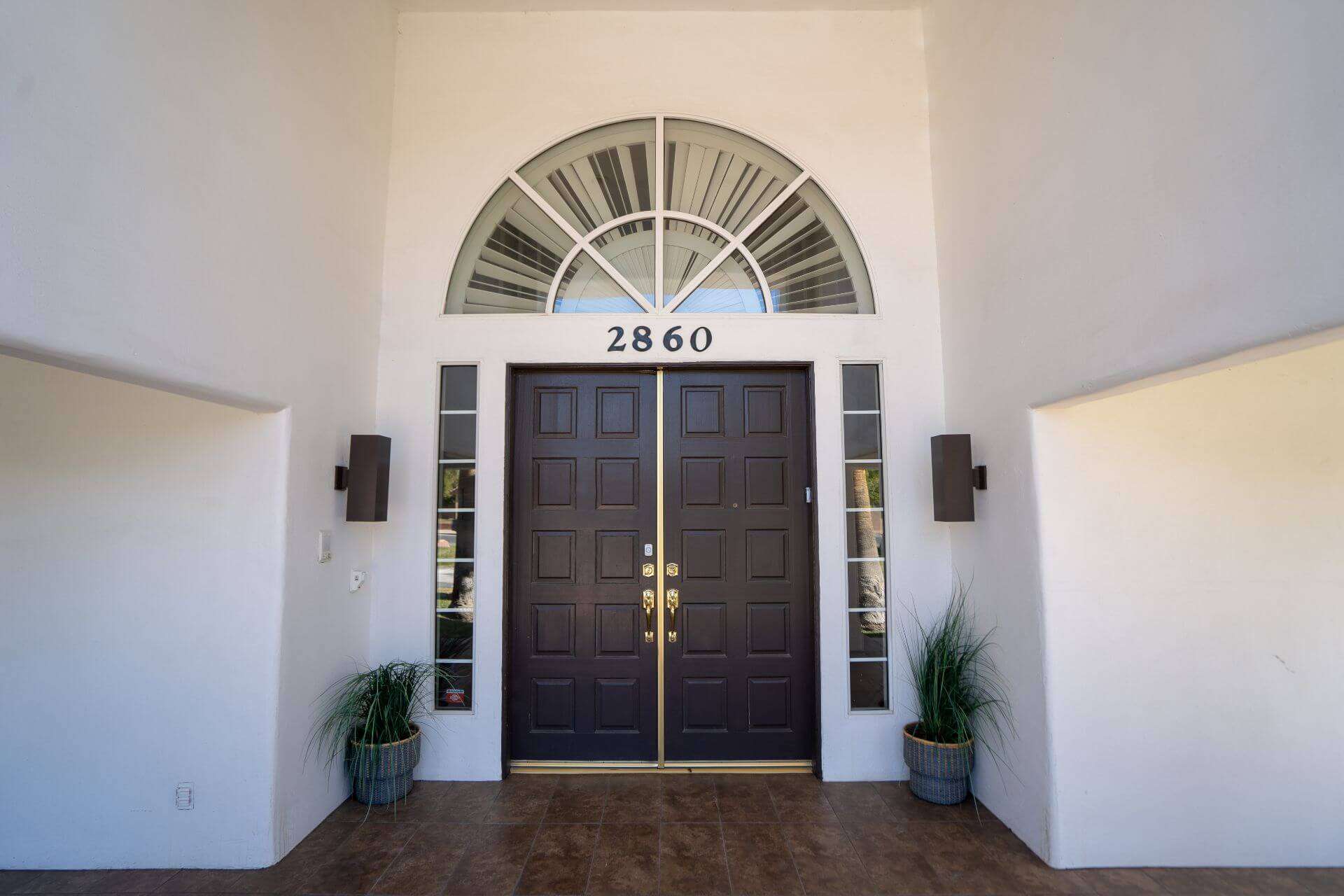
The Nestled Recovery Center2860 S Bronco St
Las Vegas, NV 89146
Hours
Admissions: Available 24/7
Residential programs operate 24/7.
Frequently Asked Questions
Program & Treatment
Why choose us? What makes it different than other addiction treatment centers?
They differentiate themselves through their holistic, trauma-informed, and personalized approach, a small 10-bed capacity for individualized care, and a warm, inviting environment.
What substance use disorder treatment programs do you offer?
They offer Detox, Residential Rehab, Partial Hospitalization (PHP), Intensive Outpatient (IOP), Outpatient (OP), and an Alumni Program.
How do you treat dual diagnosis / co-occurring disorders?
They offer integrated dual diagnosis treatment, meaning they treat both the mental health disorder and the substance use disorder at the same time.
What types of therapies are used?
They offer Medication-assisted withdrawal management, Psychotherapies (EMDR, CBT, DBT, IFS, CPT), and Experiential therapies (Yoga, recreational therapy, somatic & movement-based therapies, Cold Plunge, massage therapy, horticultural therapy, sound bath therapy).
Does this program use the 12-Steps?
Yes, they encourage clients to attend a variety of 12-Step meetings (AA, NA, etc.) as well as alternatives like SMART Recovery, Dharma, and Celebrate Recovery. If a client prefers not to attend, the clinical team can work on an alternative plan.
Is the program faith-based?
No, the program is clinically focused and not inherently faith-based, making it suitable for individuals of all belief systems. They do, however, support clients in exploring their spirituality as part of the 8 Dimensions of Wellness.
How long has this facility been open?
The Nestled Recovery Center was founded and has been offering services since 2019.
Cost & Admission
What will my costs be for treatment?
Costs vary based on the level of care. Self-pay estimates are: Detox at $1,400/day and Residential at $1,200/day. Outpatient costs are per session: PHP at $610, IOP at $315, and OP at $240. It is best to call for an exact quote and to verify insurance benefits.
Do you accept insurance?
Yes, they accept most major insurance plans and are in-network with providers like Mines and Associates, Health Smart, Multiplan, and Triwest (Veteran CCN).
Do you provide detoxification services?
Yes, they offer a supervised medical detox program where a medical physician sees you daily to ensure a safe and comfortable process.
Is Suboxone (MAT) permitted?
Yes, Medication-Assisted Treatment (MAT) protocols are used, and Suboxone is supported as part of a comprehensive treatment plan when clinically appropriate.
What is the difference between inpatient and outpatient addiction treatment?
As a newcomer to a comprehensive treatment program, your journey would begin with the most intensive level of care: Detox. Here, you would be under 24/7 medical supervision in a safe, controlled environment to comfortably manage the physical and psychological symptoms of withdrawal. The primary focus is on stabilizing your body and mind, which may involve medication-assisted treatment to ease discomfort and cravings. Once you are medically stable, you would transition into the Residential phase. This is where the core therapeutic work happens. You would live at the facility, in a structured, home-like setting with a small group of peers, fully immersed in your recovery away from outside triggers. Your days would be filled with a schedule of individual therapy, group sessions, experiential activities like yoga or art, and educational workshops designed to help you understand the roots of your addiction and develop healthy coping mechanisms. After building this strong foundation, you would "step down" to the Partial Hospitalization Program (PHP). In PHP, you would no longer live at the primary facility but would commute for treatment, attending therapy and programming for several hours a day, five to seven days a week, much like a full-time job. This stage is crucial for practicing your new skills while beginning to reintegrate into the outside world. Following PHP, you would move to an Intensive Outpatient Program (IOP), which offers more flexibility. Here, you would attend group and individual therapy for fewer hours, perhaps three or four evenings a week, allowing you to return to work, school, or other responsibilities. The final step is traditional Outpatient (OP) care, which might involve just one or two therapy sessions per week. This level serves as ongoing maintenance and support, helping you navigate the challenges of long-term recovery as you fully re-engage with your life, with the continuous backing of an alumni program to stay connected to the community you've built.
Daily Life, Rules & Family
How long will I be there?
Length of stay varies by program: Detox is typically 3-10 days, Residential is 30 days, PHP lasts for 5 weeks, and IOP for 4 weeks. Outpatient (OP) is ongoing for as long as needed.
What is the living situation like? Can I get my own room?
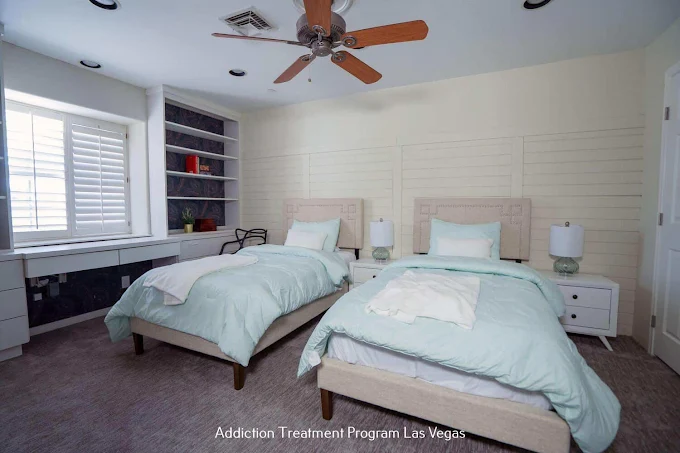
The living situation is in a modern, comfortable house. All rooms and bathrooms are shared with roommates to foster a sense of community and peer support. Private rooms are not available.
Is this a closed/locked facility?
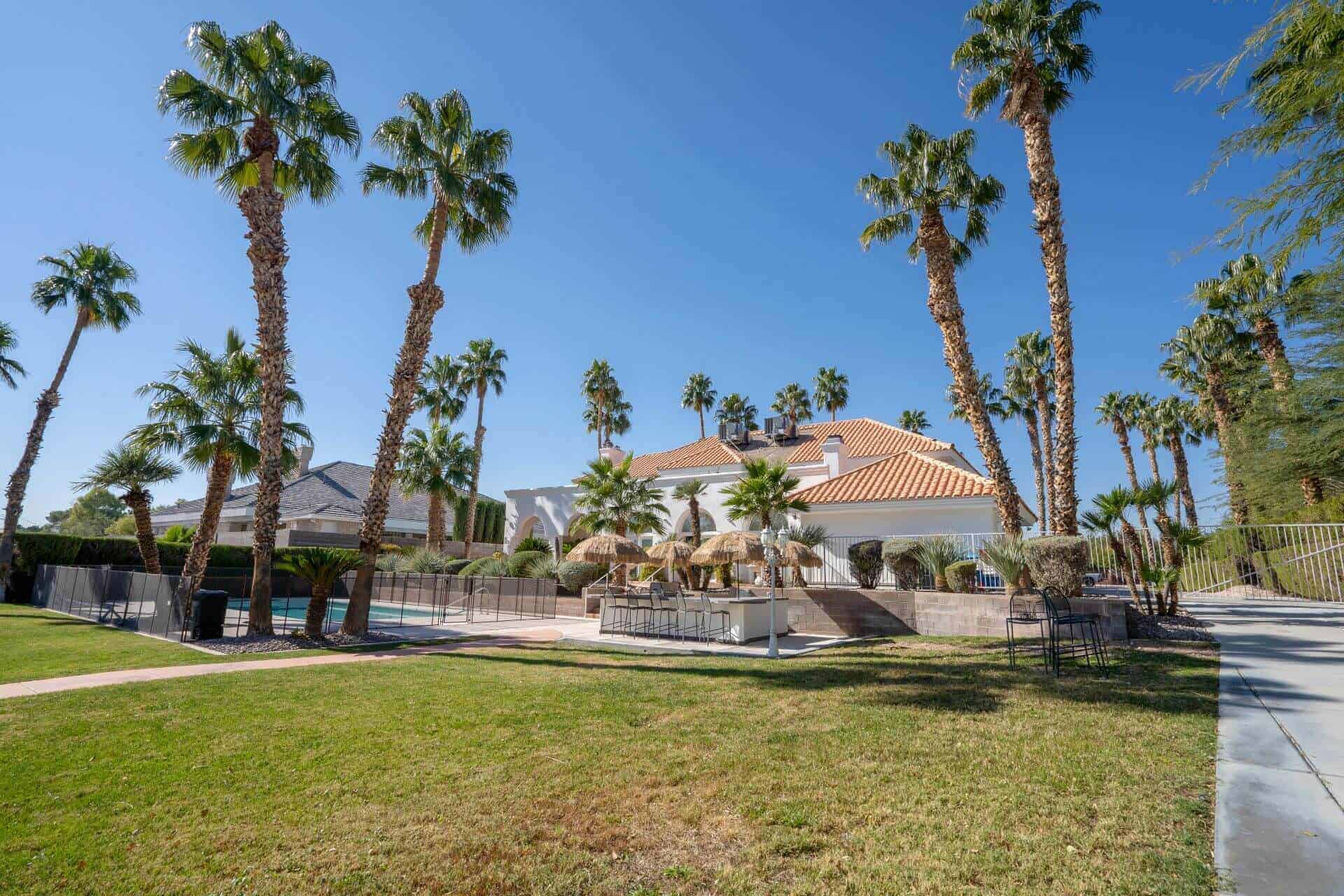
No, it is an open campus, not a locked facility. Clients can enjoy the backyard and go on staff-supervised walks. While you are free to leave against medical advice at any time, you are expected to adhere to the program schedule.
Can I use my phone/laptop? Is smoking allowed?
Yes, smoking and vaping are permitted in designated outdoor areas. Personal electronics like phones and laptops are also allowed, but their use is limited to three scheduled times per day.
What should I bring?
When preparing for a stay at a small, 10-bed rehab in a location like Las Vegas, you should generally focus on packing for comfort and simplicity. Plan on bringing about a week's worth of comfortable clothing suitable for a desert climate, which means layers like t-shirts, shorts, and sweatpants, but also a sweatshirt or light jacket for cool evenings or air-conditioned rooms. Since many facilities offer activities like yoga or have a pool, activewear and a modest swimsuit are also good ideas. Essential items include alcohol-free toiletries in their original, unopened bottles, your ID and insurance cards, any prescription medications in their correctly labeled containers, and a list of important phone numbers. You might also consider bringing a journal, photos of loved ones, or a few books to help with reflection during downtime.
What should I leave at home?
Conversely, what you should leave at home is guided by the principles of safety, focus, and creating a therapeutic environment. This means absolutely no drugs, alcohol, or any unapproved medications. Valuables such as expensive jewelry, large amounts of cash, and anything you would be sad to lose should be left behind. To minimize distractions and help clients focus on recovery, most facilities prohibit or heavily restrict electronics like smartwatches, personal gaming devices, and anything with a camera. Outside food and drink are typically not allowed, and you should avoid bringing revealing clothing or items with logos related to drugs, alcohol, or anything offensive. Lastly, do not bring weapons of any kind or toiletries that contain alcohol, such as certain perfumes, colognes, and mouthwashes.
What is the layout of the campus?
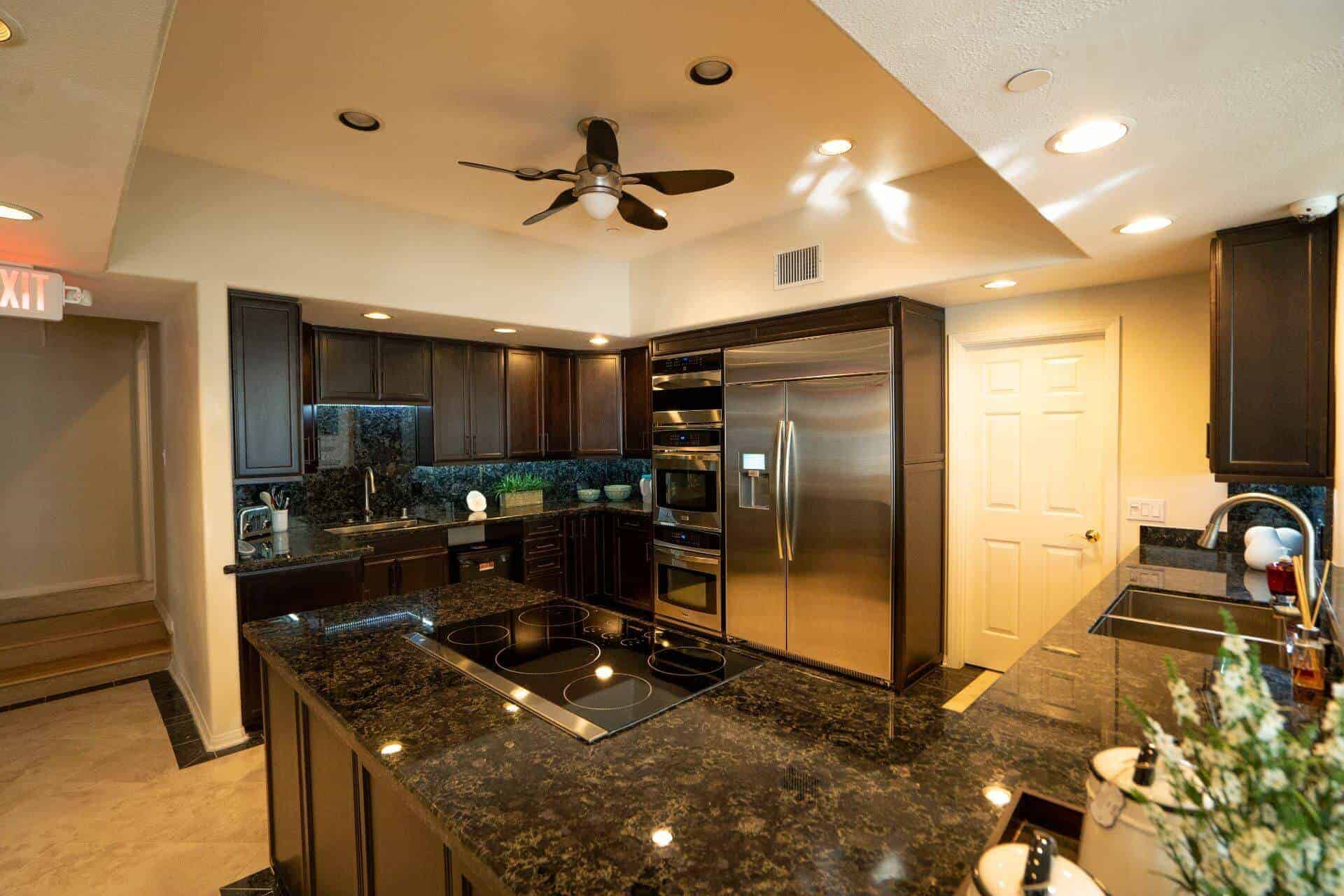
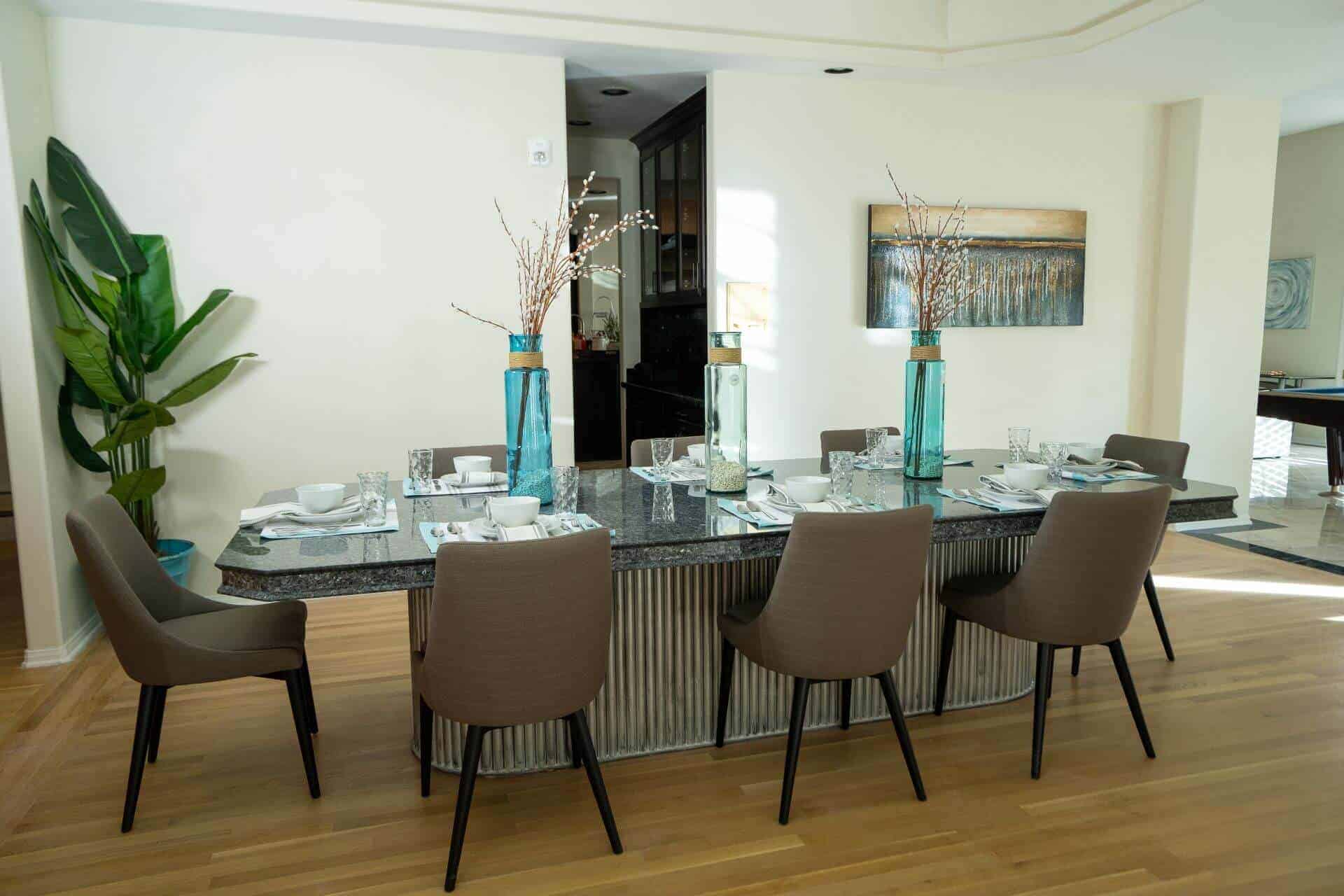
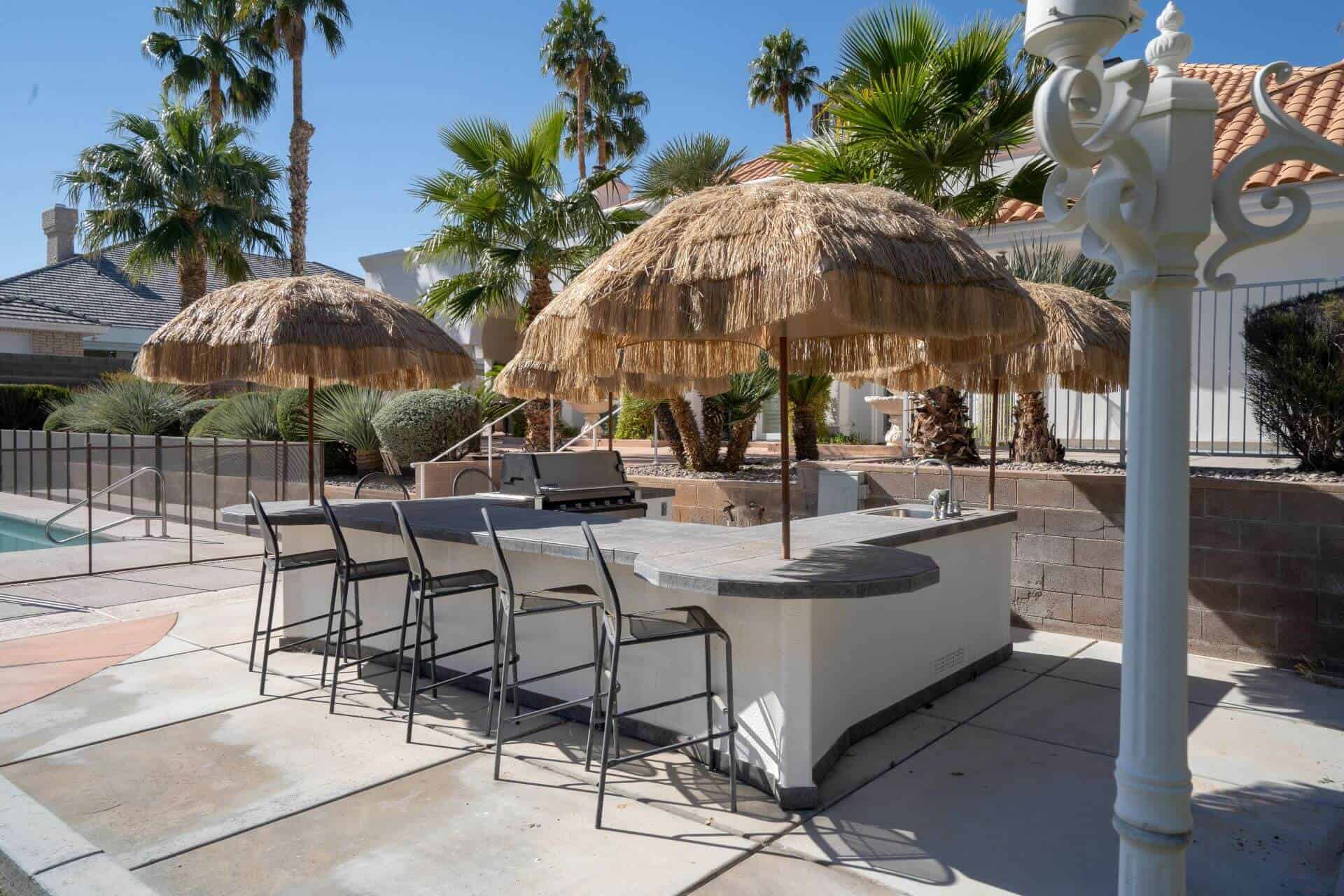
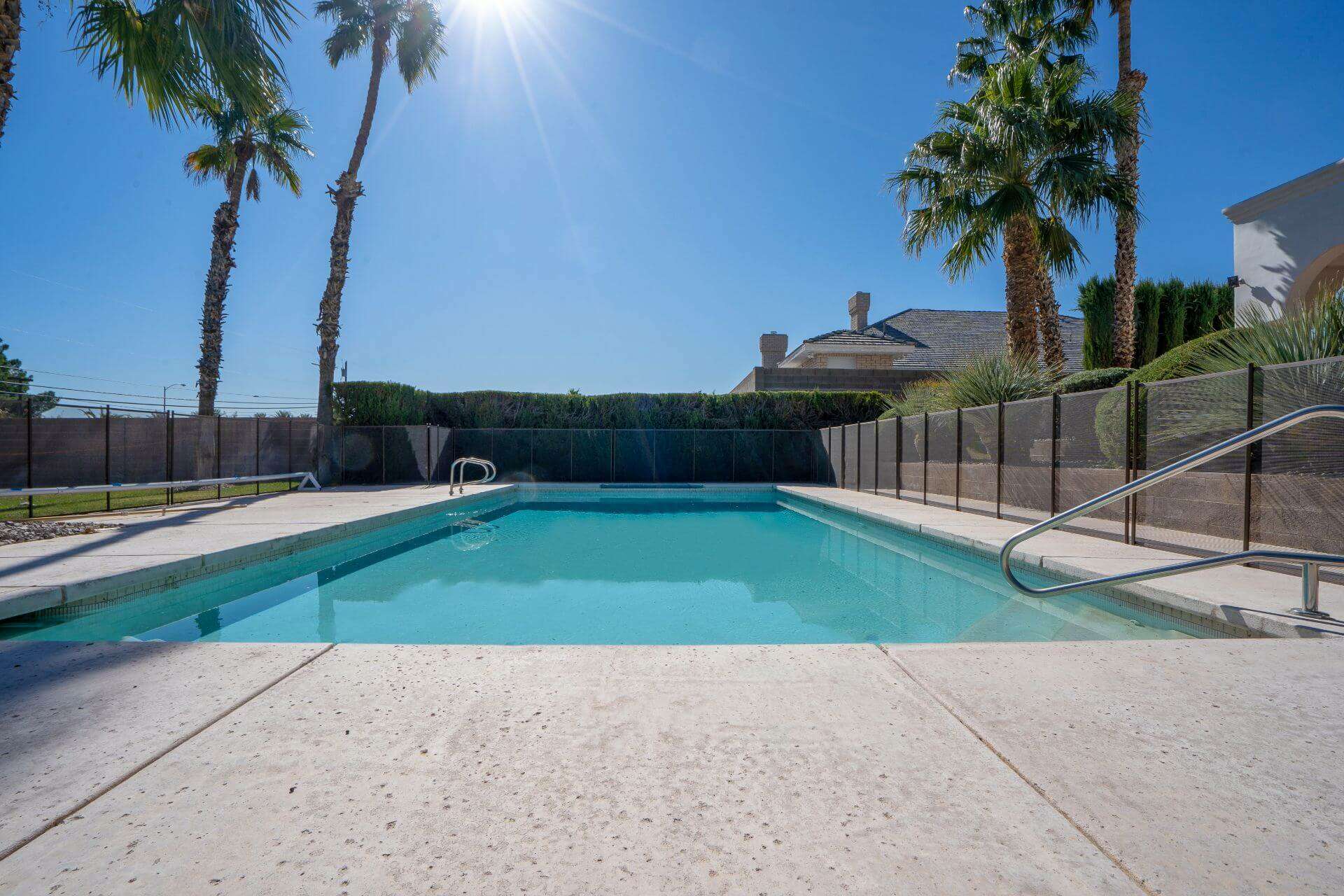
The facility is a single residential house with a modern, home-like environment, featuring a pool and comfortable indoor and outdoor living spaces.
Who provides care here? Are there psychiatrists on staff?
Care is provided by a multidisciplinary team including 24/7 nursing staff, one medical doctor, and two Nurse Practitioners. Clients in detox see the doctor daily, and weekly in residential. A Nurse Practitioner handles psychiatric care.
Who will be in treatment with me?
The program is co-ed for adults (18+) and has a maximum capacity of 10 clients. You will be in an intimate, diverse community of peers, primarily with private insurance, all working toward recovery together.
What is the family involvement and visitation policy?
Family involvement is a key component of the program. Family visits are permitted on weekends but must be scheduled in advance and are limited to one visitor at a time.
What kind of aftercare and follow-up support is available?
The Nestled provides robust aftercare planning. Clients can step down to their Partial Hospitalization (PHP), Intensive Outpatient (IOP), and standard Outpatient (OP) programs. An Alumni Program is also available for continued support and resources post-treatment.
Ready to Take the Next Step?
Their team is available to answer your questions confidentially.
Call NowAccreditation & Support
Joint Commission
Gold Seal of Approval®
State Licensed (NV)
Nevada SAPTA Certified
LegitScript Certified
Verified Healthcare Provider
BBB A+ Rating
Better Business Bureau